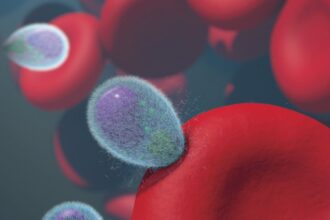
Nature Medicine has published an author correction to a phase 1 trial investigating MAGE-A4/MAGE-A8-targeted T cell engager therapy in patients with recurrent or refractory solid tumours. The correction, published online on 19 June 2026, addresses specific data or methodological clarifications in the original trial report.
Key takeaways
- An author correction has been issued for a phase 1 trial of MAGE-A4/MAGE-A8-targeted TCR-based bispecific T cell engager published in Nature Medicine
- The trial evaluated this immunotherapy approach in patients with difficult-to-treat solid tumours that had recurred or become resistant to prior therapy
- Corrections in peer-reviewed research ensure accuracy and maintain scientific integrity in clinical trial reporting
- This represents ongoing refinement of cell-based immunotherapy strategies for advanced malignancies
Study at a Glance
| Source | Nature Medicine |
| Study type | Phase 1 clinical trial (with author correction) |
| Intervention | MAGE-A4/MAGE-A8-targeted TCR-based bispecific T cell engager |
| Population | Patients with recurrent and/or refractory solid tumours |
| Publication date | 19 June 2026 (Nature Medicine online) |
Timeline of TCR-based bispecific immunotherapy development
Key milestones in clinical translation of T cell engager technology, 2022–2026
Source: Nature Medicine, 2026 | Georgian Medical Journal News
Understanding the MAGE-A4/A8 immunotherapy approach
MAGE-A4 (melanoma-associated antigen A4) and MAGE-A8 are tumour-associated antigens expressed on the surface of several cancer types. A TCR-based bispecific T cell engager is a synthetic immunotherapy molecule designed to bind simultaneously to these cancer antigens and to T cell receptors, effectively redirecting a patient’s own immune cells to recognise and destroy cancer cells expressing these markers. This class of therapy represents an evolution in cell-based immunotherapy beyond traditional checkpoint inhibitors and monoclonal antibodies.

The Nature Medicine trial evaluated safety, tolerability, and preliminary efficacy signals of this bispecific approach in heavily pretreated solid tumour patients—individuals for whom conventional options have been exhausted. Phase 1 trials typically enrol 20–100 patients and prioritise safety and dose optimisation, with preliminary activity data collected to inform advancement to phase 2 studies.
What author corrections mean for clinical research integrity
Author corrections in peer-reviewed journals serve a critical quality assurance function in medical research. Unlike full retractions (which indicate fatal flaws requiring removal of the entire paper), corrections address specific errors, clarifications, or omissions that do not invalidate the core findings or conclusions. These corrections are issued by the authors themselves and reviewed by journal editors to ensure they are appropriate and transparent.
The publication of a correction demonstrates the self-correcting mechanisms inherent in peer review and journal publishing. When researchers identify inaccuracies—whether in data presentation, statistical analysis, author affiliations, or methodological detail—they are obligated to notify the journal. This maintains confidence in the scientific record and ensures that other researchers and clinicians using the data do so with accurate information. Quality and safety in research reporting are foundational to evidence-based medicine.
Solid tumours and the immunotherapy landscape
Solid tumours—including melanoma, sarcoma, and lung cancer—remain among the most challenging malignancies to treat, particularly at advanced or recurrent stages. Unlike haematologic cancers (blood cancers), solid tumours present formidable barriers to cell-based immunotherapy: a suppressive tumour microenvironment, limited T cell infiltration, and antigen heterogeneity. TCR-based bispecific T cell engagers are designed to overcome some of these limitations by creating a direct bridge between patient T cells and tumour cells, potentially enhancing infiltration and activation at the tumour site.
The MAGE-A4 and MAGE-A8 antigens are expressed in a subset of solid malignancies and were selected as targets based on their prevalence and relative tumour specificity. Earlier work in immunotherapy targeting MAGE antigens laid the foundation for this more sophisticated bispecific platform. Phase 1 trial data in this space are eagerly anticipated by both the research and clinical communities, as they provide early signals of feasibility and tolerability for this novel approach in difficult-to-treat populations.
Next steps and future investigation
The correction issued by Nature Medicine does not alter the fundamental premise of the trial or its role in advancing cell-based immunotherapy. Rather, it exemplifies responsible scientific practice. As clinical trial data on TCR-based bispecific agents accumulate, future phase 2 and phase 3 studies will evaluate efficacy endpoints, optimal dosing schedules, and biomarkers predicting response. The field of clinical immunotherapy updates continues to expand rapidly.
International regulatory agencies, including the FDA and EMA, are actively developing guidance for cell-based therapies and bispecific molecules. Information from early-phase trials such as this one informs the design of larger registrational studies and helps establish the evidence base for potential regulatory submission. For patients with recurrent or refractory solid tumours, these investigational approaches offer hope, though many years of further development and clinical validation remain necessary before widespread availability.
An author correction has been published for a phase 1 trial of MAGE-A4/MAGE-A8-targeted TCR-based bispecific T cell engager in recurrent or refractory solid tumours, reinforcing the importance of accuracy and transparency in clinical trial reporting.
— Nature Medicine, 19 June 2026
What this means
Frequently asked questions
What is a TCR-based bispecific T cell engager?
A TCR-based bispecific T cell engager is an engineered molecule with two functional domains: one that binds to tumour-associated antigens (in this case, MAGE-A4 and MAGE-A8) and another that binds to T cell receptors on the surface of immune cells. This dual binding brings patient T cells into close proximity with cancer cells, redirecting the immune system to recognise and destroy tumour cells. Unlike monoclonal antibodies, which rely on existing immune mechanisms, bispecific engagers create a direct physical bridge between immune cells and cancer cells.
Why do authors issue corrections to published papers?
Authors issue corrections when they identify errors, omissions, or clarifications needed in their published work that may affect interpretation of results or conclusions. Corrections maintain the integrity of the scientific record. They differ from retractions, which indicate that a paper should be removed entirely due to fatal flaws. A correction allows readers and other researchers to access accurate information while preserving the body of work and acknowledging the authors’ commitment to accuracy.
What is the significance of targeting MAGE-A4 and MAGE-A8 in solid tumours?
MAGE-A4 and MAGE-A8 are tumour-associated antigens (TAAs) with relatively restricted expression in normal tissues but high prevalence in several solid malignancies including melanoma and other cancers. By targeting these antigens with immunotherapy, researchers aim to achieve tumour selectivity while minimising off-target effects on healthy tissues. MAGE-based immunotherapy has a long preclinical history, and this phase 1 trial represents translation of earlier discoveries into human patients with advanced disease.
The publication and correction of this phase 1 trial reflect the dynamic nature of modern oncology research and the commitment of the scientific community to accurate, transparent reporting. As TCR-based bispecific immunotherapies advance through clinical development, accumulating data from early trials will establish the foundation for understanding safety, efficacy, and patient selection criteria. For clinicians, researchers, and patients alike, access to corrected and complete trial data is essential for evidence-based decision-making in the evolving landscape of cell-based cancer therapy.
Was this article helpful?
Disclaimer. This article is health journalism intended for general information and education. It is not medical advice and is not a substitute for professional diagnosis or treatment. Always consult a qualified healthcare provider about your individual circumstances. Full disclaimer →
Related Coverage
Editorial standards. This article was produced under the GMJ News editorial process, with oversight by the GMJ Editorial Board. Our editorial process. Spotted an error? Contact the editorial team.