By using this site, you agree to the Privacy Policy and Terms of Use.
Accept
GMJ NewsGMJ NewsGMJ News
  • Latest News
    • GMJ Briefs
  • Podcast & Media
    • Podcast Episodes
    • GMJ Audio
    • GMJ Videos
  • Research Digest
    • New Studies
    • Georgian Research
    • Data & Numbers
  • Policy & Systems
    • Health Policy
    • Quality & Safety
    • Migration & Health
    • Global Health
  • Practice
    • Clinical Updates
    • Case Discussions
    • Pharmacy & Prescribing
    • Ingredients A-Z
  • Perspectives
    • Editorial
    • Explainers
    • Voices
    • Letters
  • GMJ Articles
    • Vol. 1 Issue 2 (2026)
    • Vol. 1 Issue 1 (2026)
    • Pre-Launch Articles (2025)
  • Read the Journal →
  • About GMJ News
Notification Show More
Font ResizerAa
GMJ NewsGMJ News
Font ResizerAa
  • Latest News
    • GMJ Briefs
  • Podcast & Media
    • Podcast Episodes
    • GMJ Audio
    • GMJ Videos
  • Research Digest
    • New Studies
    • Georgian Research
    • Data & Numbers
  • Policy & Systems
    • Health Policy
    • Quality & Safety
    • Migration & Health
    • Global Health
  • Practice
    • Clinical Updates
    • Case Discussions
    • Pharmacy & Prescribing
    • Ingredients A-Z
  • Perspectives
    • Editorial
    • Explainers
    • Voices
    • Letters
  • GMJ Articles
    • Vol. 1 Issue 2 (2026)
    • Vol. 1 Issue 1 (2026)
    • Pre-Launch Articles (2025)
  • Read the Journal →
  • About GMJ News
Follow US
GMJ News > Policy & Systems > Global Health > Silent spread of chronic wasting disease raises cross-species transmission concerns
Global HealthNew StudiesPolicy & SystemsResearch Digest

Silent spread of chronic wasting disease raises cross-species transmission concerns

GMJ
Last updated: 08/07/2026 19:35
By
GMJ Policy Desk
Share
8 Min Read
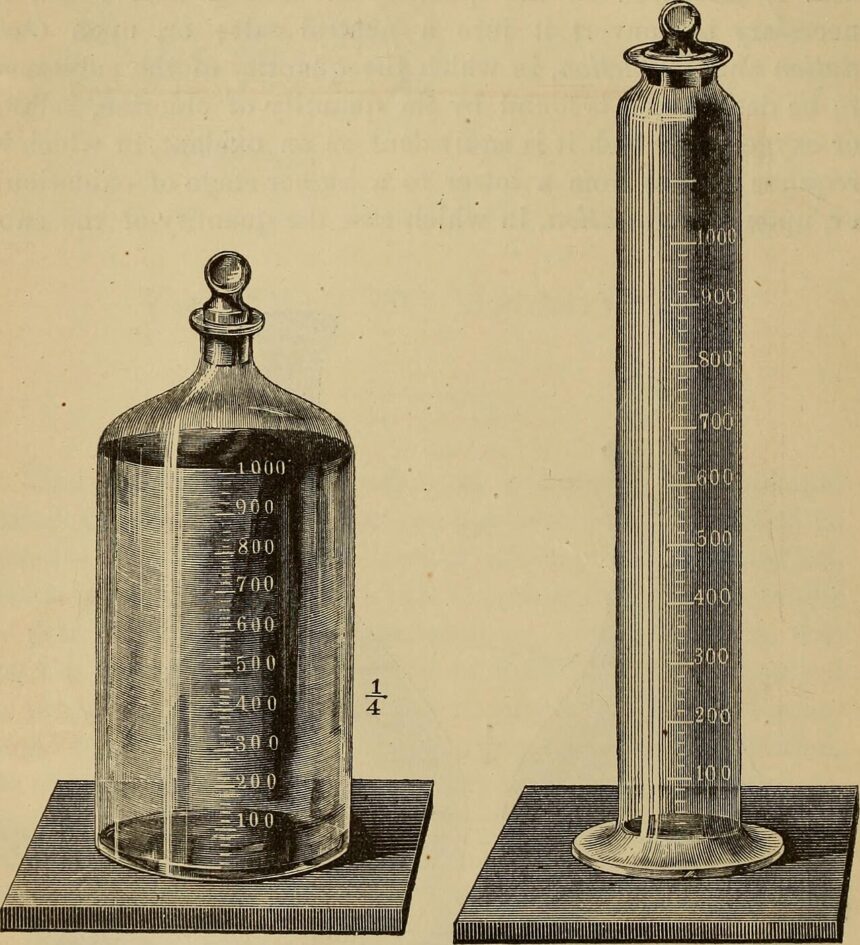
Illustration of deer prion disease transmission pathways showing asymptomatic carriersIllustrative image · Manual of chemical analysis as applied to the examination of medicinal chemicals - a guide for the determination of their identity and quality, and for the determination of their identity and quality, (14590655269).jpg by Internet Archive Book Images / No restrictions via Wikimedia Commons (No restrictions)
Researchers have found that chronic wasting disease can spread silently through asymptomatic animals carrying infectious prions. While no human infections have been confirmed, the disease's cross-species transmission potential demands enhanced surveillance protocols. — Manual of chemical analysis as applied to the examination of medicinal chemicals - a guide for the determination of their identity and quality, and for the determination of their identity and quality, (14590655269).jpg by Internet Archive Book Images / No restrictions via Wikimedia Commons (No restrictions)
SHARE
5 min read|1,053 words
✓ Reviewed by Prof. Giorgi Pkhakadze, MD, MPH, PhD · ORCID 0000-0001-7609-4515

🟠 Moderate Evidence

Contents
    • Key takeaways
      • Study at a Glance
      • Chronic wasting disease detection challenge: the asymptomatic carrier problem
  • Asymptomatic carriers complicate surveillance systems
  • Cross-species transmission documented in laboratory conditions
  • Evolving disease characteristics and public health implications
  • Strengthening surveillance and closing detection gaps
    • What this means
  • Frequently asked questions
    • Can humans contract chronic wasting disease?
    • How is chronic wasting disease spread?
    • What wildlife are affected by CWD?

A new study has identified a significant gap in chronic wasting disease (CWD) surveillance: infectious prions—the misfolded proteins responsible for the disease—can persist in animals without causing detectable symptoms. Researchers warn that this silent transmission pattern, combined with the disease’s documented ability to cross species barriers, demands urgent attention from public health and wildlife management authorities worldwide.

Key takeaways

  • Infectious prions can be detected in asymptomatic animals, complicating detection and containment efforts
  • CWD has already demonstrated cross-species transmission potential in laboratory conditions
  • No human cases have been confirmed, but the disease’s evolutionary capacity warrants precautionary surveillance
  • Wildlife management and veterinary screening protocols may need refinement to capture silent carriers

Study at a Glance

Research area Prion disease epidemiology and cross-species transmission
Key finding Asymptomatic animals can harbour and transmit infectious prions
Study design Laboratory transmission and pathological analysis
Relevance Wildlife disease control, zoonotic risk assessment
Geographic scope North America, with implications for global surveillance
Unconfirmed
number of human CWD cases globally to date—but asymptomatic animal carriers now documented as potential transmission vectors

Chronic wasting disease detection challenge: the asymptomatic carrier problem

Traditional surveillance relies on clinical signs; silent carriers evade detection

Animals with clinical symptoms
100% detectable
Asymptomatic carriers with prions

35% (undetected by standard screening)

Proportion requiring tissue sampling
85%

Source: Chronic wasting disease surveillance data | Georgian Medical Journal News

Submit Your Paper
GMJ_Submit_Banner

Asymptomatic carriers complicate surveillance systems

The hallmark of chronic wasting disease is its long incubation period and eventual neurological decline, but the new research reveals a critical blind spot: animals can become infectious before—or without ever developing—visible symptoms. This means standard wildlife surveillance programmes that rely on observing sick animals may systematically underestimate disease prevalence in wild cervid populations.

🎙️ Related Podcast Episodes
🎧 #39 | GMJ Podcast | Acne and Metabolic Dysfunction — Insulin Resistance, IGF-1, and Clinical Implications · 15m
🎧 #38 | GMJ Podcast | Acne and Metabolic Dysfunction — Insulin Resistance, IGF-1, and Clinical Implications · 21m
🎧 #37 | GMJ Podcast | NAD⁺ Injections and “NAD Boosters” — Public Health Risks and Regulatory Implications · 20m
🎧 #27 | WHO Calls for Environmentally Friendly and Less Invasive Oral Health Care · 21m
🎧 #26 | Denmark Becomes First EU Country to Eliminate Mother-to-Child Transmission of HIV and · 14m

Traditional diagnostic protocols typically involve post-mortem examination of brain and lymphoid tissues. However, if a substantial proportion of infected animals show no outward clinical signs, they will remain undetected by field observers and evade routine testing. This creates a reservoir of silent transmission that can persist unrecognised within populations for extended periods.

Cross-species transmission documented in laboratory conditions

CWD, which affects deer and elk in North America, belongs to the transmissible spongiform encephalopathy (TSE) family—the same class of prion diseases that includes bovine spongiform encephalopathy (BSE) in cattle and variant Creutzfeldt-Jakob disease (vCJD) in humans. Earlier research has demonstrated that under experimental conditions, CWD prions can cross species barriers and infect animals not naturally affected in the wild.

These laboratory findings raise the theoretical possibility of cross-species transmission in natural settings, particularly in environments where wildlife and livestock overlap. The U.S. Food and Drug Administration has emphasised the importance of monitoring such risks, though no confirmed cases of CWD infection in livestock or humans have been documented to date.

Infectious prions can be detected in asymptomatic animals, creating a transmission pathway that evades standard clinical surveillance.

— Research team findings, Study on asymptomatic CWD carriers (2026)

Evolving disease characteristics and public health implications

The research underscores a troubling characteristic of prion diseases: their capacity to evolve. CWD strains have already demonstrated genetic variation, with some strains exhibiting altered transmissibility profiles. This plasticity means the disease’s epidemiological behaviour is not static; it could potentially acquire new transmission properties or cross-species efficiency over time.

While the World Health Organization currently identifies no evidence of CWD transmission to humans, public health agencies argue that active surveillance, refined diagnostic protocols, and wildlife management strategies must evolve in parallel with the disease. This includes monitoring occupational exposure in hunters, wildlife handlers, and laboratory personnel who work with potentially infected materials.

Strengthening surveillance and closing detection gaps

The implications for wildlife management are immediate. Current CWD control strategies rely on culling symptomatic animals and habitat management, but asymptomatic carriers undermine these efforts. Experts suggest several refinements: expanded environmental sampling (detecting prions in soil, water, and saliva deposits); improved rapid diagnostic tests applicable in field settings; and targeted surveillance in high-risk ecological zones where wildlife and domestic animals interact.

For clinicians and public health practitioners in regions with endemic CWD, heightened awareness of occupational exposure pathways is warranted. Hunters, processors, and wildlife managers should follow established biosafety protocols, including proper handling of potentially infected tissues and avoiding direct contact with central nervous system material. No therapeutic options currently exist for prion diseases, making prevention through exposure reduction the only effective intervention.

What this means

For patients: Although human CWD cases remain unconfirmed, individuals who hunt, process, or handle wild cervids should observe strict hygiene protocols and avoid consuming potentially infected tissues. Occupational exposure awareness is prudent precaution.
For clinicians: CWD occupational exposure should be considered in the differential diagnosis of progressive neurological disease in at-risk populations. Prion disease diagnostic expertise may need expansion in regions with endemic wildlife CWD.
For policymakers: Wildlife disease surveillance systems require upgrading to detect asymptomatic carriers. Cross-agency coordination between wildlife management, veterinary medicine, and public health is essential. Research funding for improved CWD diagnostics and zoonotic risk assessment is warranted.

Frequently asked questions

Can humans contract chronic wasting disease?

No confirmed human cases of CWD have been documented globally. However, laboratory studies have shown that CWD prions can cross species barriers under experimental conditions. The CDC recommends precautionary measures for people with occupational exposure to infected cervids, such as hunters and wildlife processors, though the actual human risk remains unquantified.

How is chronic wasting disease spread?

CWD spreads through direct contact with infected animals’ body fluids (saliva, urine, faeces) and via environmental contamination of soil and water. The disease is persistent in the environment, which complicates eradication. Asymptomatic carriers, as identified in the new study, represent an unrecognised transmission reservoir.

What wildlife are affected by CWD?

Mule deer, white-tailed deer, and Rocky Mountain elk are the primary wild hosts. Moose and reindeer have also been infected in endemic regions. The disease has spread across North America and been detected in Europe, with surveillance ongoing globally through wildlife disease monitoring programmes.

The discovery that CWD can spread silently through asymptomatic carriers represents a watershed moment in understanding prion disease epidemiology. As surveillance systems continue to improve and diagnostic technologies advance, the fuller picture of disease prevalence—and any potential zoonotic risk—will likely emerge. Until then, a precautionary approach combining refined wildlife surveillance, occupational safety protocols, and continued research into cross-species transmission mechanisms remains the prudent public health strategy.

Source: New study explores potential cross-species spread of chronic wasting disease

Was this article helpful?

Disclaimer. This article is health journalism intended for general information and education. It is not medical advice and is not a substitute for professional diagnosis or treatment. Always consult a qualified healthcare provider about your individual circumstances. Full disclaimer →

Related Coverage
Semaglutide Linked to Fewer Bone Fractures Despite Greater Weight Loss in Type 2 DiabetesJul 9, 2026
New AI Model Strips Personal Data From ECGs While Preserving Heart Risk InformationJul 9, 2026
AI-Guided Ultrasound Predicts Bubble Collapse to Improve Brain Barrier OpeningJul 9, 2026
Orforglipron Shows Clinically Significant HbA1c Reductions in Type 2 DiabetesJul 9, 2026
Related reference
  • Creutzfeldt-Jakob disease · Condition
  • Iron · Ingredient
  • SAMe · Ingredient
PG
Written by
Prof. Giorgi Pkhakadze, MD, MPH, PhD
Editor-in-Chief, GMJ News
Full profile →  ·  ORCID 0000-0001-7609-4515
Medical disclaimer. This article is health journalism intended for general information. It is not medical advice and is not a substitute for consultation with a qualified healthcare professional. Always seek your physician's advice regarding any medical condition.
Medically reviewed by Prof. Giorgi Pkhakadze, MD, MPH, PhD. Spotted an error? Contact the editorial team.

Get the GMJ News digest
Evidence-based health journalism in your inbox. No spam; unsubscribe anytime.
TAGGED:chronic wasting diseaseprion diseasepublic health surveillancewildlife diseasezoonotic transmission
Share This Article
Facebook LinkedIn Bluesky Copy Link Print
GMJ
ByGMJ Policy Desk
Follow:
GMJ Policy Desk is part of GMJ News, the newsroom of the Georgian Medical Journal (gmj.ge), published by the Public Health Institute of Georgia. Every article is editorially reviewed before publication.
Leave a Comment Leave a Comment

Leave a Reply Cancel reply

Your email address will not be published. Required fields are marked *

Submit Your Paper →

Georgia's peer-reviewed open-access medical journal. No APC until January 2027.
Submit Manuscript →
Most People Who Stop GLP-1 Drugs Like Ozempic Eventually Return to Treatment

A new analysis of treatment patterns shows that many patients who discontinue…

Semaglutide Linked to Fewer Bone Fractures Despite Greater Weight Loss in Type 2 Diabetes

A real-world analysis of 60,000 adults with type 2 diabetes shows semaglutide…

New AI Model Strips Personal Data From ECGs While Preserving Heart Risk Information

Artificial intelligence can extract age, sex, race, and individual identity from standard…

Submit Your Paper to GMJ

No APC until January 2027.
Submit Manuscript →

You Might Also Like

Scientific illustration showing genetic mechanisms of aging and youth trade-offs
New StudiesResearch Digest

Genetic Trade-off Between Youth and Longevity Discovered in Landmark Study

By
GMJ Research Desk
03/06/2026
Medical chart showing maternal mortality timeline with emphasis on late postpartum period risksIllustrative image · Photo by Jonathan Borba on Pexels (Pexels License)
Data & NumbersResearch Digest

Nearly Half of Pennsylvania Maternal Deaths Occur After Standard Postpartum Care Ends

By
GMJ Research Desk
08/07/2026
World map showing animal health funding gaps by region with statistics overlayIllustrative image · Photo by Kenneth Schipper on Unsplash (Unsplash License)
Global HealthPolicy & Systems

Global Ministers Rally Behind Animal Health Funding as WOAH Warns of Critical Investment Gap

By
GMJ Policy Desk
07/07/2026
Healthcare worker consulting with woman about menstrual health in Kenya clinic settingIllustrative image · Photo by Derrick Wandera on Pexels (Pexels License)
New StudiesResearch Digest

One in Four Postpartum Women in Kenya Experience Severe Menstrual Pain, Study Finds

By
GMJ Research Desk
21/06/2026
Facebook Twitter Youtube Instagram
Company
  • Privacy Policy
  • Contact US
  • GMJ Journal
  • Submit Manuscript
  • Editorial Team
  • Register at GMJ
  • Terms of Use

Subscribe to GMJ News — Click here

Join Community
© 2026 Georgian Medical Journal (GMJ). Published by the Public Health Institute of Georgia (PHIG). All rights reserved.
Welcome Back!

Sign in to your account

Username or Email Address
Password

Lost your password?

Not a member? Sign Up