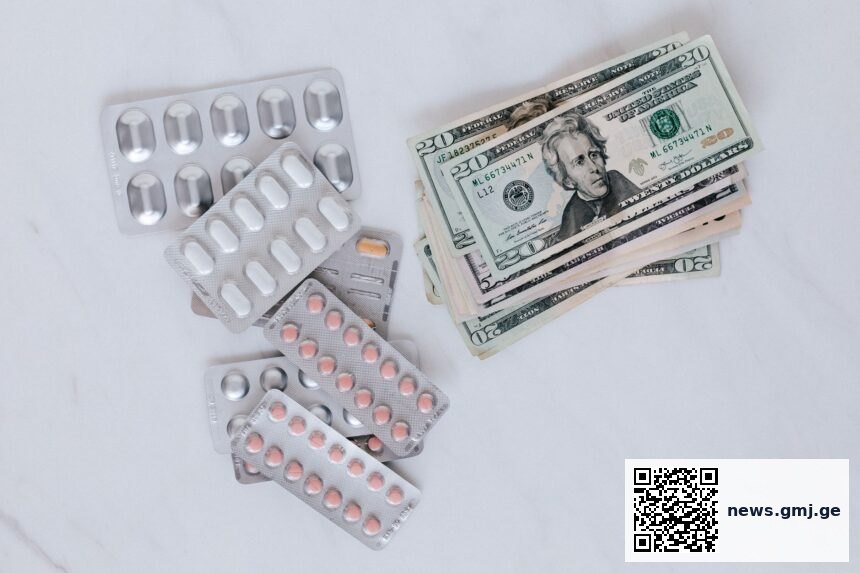
Eli Lilly has begun eliminating federally mandated drug price discounts to a limited number of hospitals participating in the 340B Drug Pricing Program, citing their failure to provide required claims data. The pharmaceutical manufacturer’s enforcement action signals a growing tension between drug makers and healthcare institutions over transparency in a programme designed to expand access to medications for low-income and uninsured patients.
Key takeaways
- Eli Lilly has begun terminating 340B price breaks for a small cohort of hospitals that did not submit mandatory claims data
- The 340B programme requires participating institutions to report drug utilization to ensure compliance with federal regulations
- This enforcement action reflects broader pharmaceutical industry pressure on healthcare institutions to demonstrate accountability in the discount programme
- Hospitals lacking claims data infrastructure may face additional financial pressures as drug manufacturers tighten verification requirements
340B Programme participation and compliance challenges
Key barriers reported by hospitals in the federal drug discount programme
Source: Hospital industry reports on 340B compliance | Georgian Medical Journal News
What the 340B programme does
The 340B Drug Pricing Program, established under federal legislation, requires participating drug manufacturers to provide discounted prices on outpatient medications to eligible healthcare institutions, including safety-net hospitals, critical access hospitals, and disproportionate-share hospitals that serve large populations of uninsured and low-income patients. The programme operates under oversight from the Health Resources and Services Administration (HRSA), which maintains compliance standards across participating entities.

Participating hospitals are required to report detailed claims data documenting their drug purchases and utilization patterns. According to the HRSA’s 340B programme guidance, this transparency requirement ensures that discounted medications are being dispensed to eligible patients and that the financial benefits of the programme are being directed toward their intended populations.
Why enforcement matters
Eli Lilly’s decision to eliminate price breaks for non-compliant hospitals reflects pharmaceutical manufacturers’ growing insistence on data verification. Drug makers have expressed concerns that without reliable claims data, they cannot verify that 340B discounts are being used appropriately and not being diverted to ineligible populations or resold.
The Food and Drug Administration (FDA) and manufacturers have raised questions about 340B programme oversight in recent years. Manufacturers argue that robust claims reporting is essential to prevent program abuse and to maintain the financial viability of drug discounting mechanisms that are meant specifically to serve vulnerable patient populations.
Eli Lilly has begun enforcing claims data submission requirements by terminating 340B drug discounts to hospitals that failed to comply, signalling that pharmaceutical manufacturers will take unilateral action to enforce programme transparency standards.
— Industry compliance reporting, 2026
Implications for healthcare institutions and patients
For hospitals without adequate data infrastructure, Eli Lilly’s enforcement represents an immediate financial challenge. Losing 340B discounts on a major pharmaceutical manufacturer’s products—particularly for chronic disease treatments and specialty medications—can significantly increase the cost of medications dispensed to uninsured and low-income patients served by these institutions.
Smaller and rural hospitals, in particular, may lack the IT systems and compliance staff needed to meet increasingly stringent data reporting demands. This creates a potential equity gap: well-resourced urban medical centres may more easily adapt to manufacturer requirements, while safety-net hospitals serving the most vulnerable populations may lose access to the discounts they depend on to maintain medication affordability programmes.
What this means
Frequently asked questions
What is the 340B Drug Pricing Programme?
The 340B programme is a federal initiative that requires drug manufacturers to provide discounted prices on medications to eligible healthcare institutions—including safety-net hospitals and critical access hospitals—that serve large uninsured and low-income patient populations. The programme is administered by the Health Resources and Services Administration (HRSA) and is designed to expand patient access to medications by reducing institutional drug costs.
Why do hospitals have to report claims data?
Claims data reporting is a compliance requirement under the 340B programme designed to verify that discounted medications are being dispensed to eligible patients and that institutional savings are being used appropriately. Drug manufacturers use this data to audit programme participation and prevent misuse or diversion of discounted drugs. Without reliable claims data, manufacturers cannot verify programme compliance.
What are the consequences for hospitals that lose 340B discounts?
Hospitals that lose 340B pricing for specific manufacturers face significantly higher drug acquisition costs for those products. Since many safety-net hospitals depend on 340B savings to fund uncompensated care and patient assistance programmes, losing discounts can reduce their capacity to serve uninsured populations and may force reductions in medication availability or increases in patient cost-sharing.
Eli Lilly’s enforcement action is likely to prompt other major pharmaceutical manufacturers to take similar steps, potentially creating industry-wide pressure on healthcare institutions to upgrade their compliance and data management infrastructure. Quality and safety in drug pricing programmes depends on transparency, but the burden of meeting that transparency standard is increasingly falling on financially constrained hospitals. Federal policymakers may need to reassess whether current HRSA guidance and funding adequately support hospital compliance capabilities, particularly for smaller and rural institutions serving the most vulnerable patients.
Source: STAT News: Eli Lilly ends 340B drug discounts to some hospitals for failing to provide claims data
Was this article helpful?
Disclaimer. This article is health journalism intended for general information and education. It is not medical advice and is not a substitute for professional diagnosis or treatment. Always consult a qualified healthcare provider about your individual circumstances. Full disclaimer →
Related Coverage
Editorial standards. This article was produced under the GMJ News editorial process, with oversight by the GMJ Editorial Board. Our editorial process. Spotted an error? Contact the editorial team.