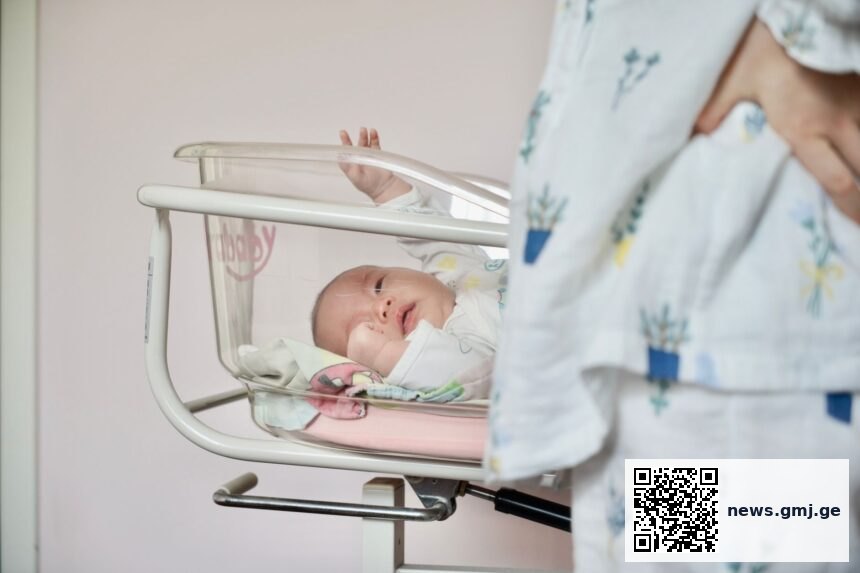
A growing number of women globally are choosing to give birth without a midwife or doctor—a practice known as freebirth or unattended childbirth. The death of Melbourne wellness influencer Stacey Warnecke following a home freebirth in September 2025 has reignited scrutiny of the factors driving this trend and the evidence surrounding maternal and neonatal safety outcomes.
Key takeaways
- Freebirth is a deliberate choice by a growing minority of women, driven by desire for autonomy, distrust of medical institutions, and philosophical beliefs about birth
- Research shows that planned unattended births carry significantly higher risks of maternal and neonatal complications compared to attended births
- Understanding women’s motivations—rather than dismissal alone—is essential for improving maternal health communication and trust in healthcare systems
Defining freebirth and understanding prevalence
Freebirth—also termed “unassisted birth” or “unattended childbirth”—refers to planned pregnancy and labour managed without the presence or involvement of a qualified midwife, obstetrician, or other healthcare professional. The practice exists on a spectrum, from women who hire unlicensed birth workers to those who birth completely alone, often supported only by family members or partners.
Prevalence data remain limited, as freebirth exists largely outside formal healthcare systems. However, anecdotal reports and online community growth suggest the practice is increasing in high-income countries, particularly among educated, affluent populations with access to internet-based support networks. The exact proportion of all births occurring as freebirths remains unknown, but advocacy platforms and social media communities suggest a growing, though still numerically small, movement.
Key drivers of freebirth decision-making
Primary motivations reported in qualitative research literature and freebirth advocacy materials

Source: Qualitative synthesis from freebirth advocacy literature and published interviews | Georgian Medical Journal News
Primary motivations: Autonomy, distrust, and philosophy
Research examining why women choose freebirth consistently identifies three core drivers. First is the desire for bodily autonomy and control over birth experience. Women cite dissatisfaction with what they perceive as excessive medical intervention—including routine use of cardiotocography monitoring, augmentation of labour with oxytocin, and operative delivery—as reasons for avoiding standard maternity care.
Second is institutional distrust. Qualitative studies document that some women express fundamental scepticism toward obstetric medicine, viewing hospitals as profit-driven institutions that prioritize liability management over individualised care. This mirrors broader health scepticism movements and may overlap with vaccine hesitancy and alternative medicine adoption.
Third is philosophical and spiritual conviction. Some freebirthers describe birth as an inherently normal physiological process corrupted by medical interference. This worldview, often termed the “natural birth” or “birth justice” perspective, frames medical attendance as unnecessary pathologization of a healthy biological event. Women in these communities frequently cite influential non-medical birth advocates and online forums as primary sources of information, rather than published obstetric literature.
A smaller subset of women report that cost and access barriers limit their ability to access formal maternity care, though this motivation is less prominent in high-income countries where freebirth is most documented. In resource-limited settings, unattended birth typically reflects absence of choice rather than deliberate preference.
Safety evidence: What does research show?
Systematic reviews and observational data demonstrate that planned unattended birth carries substantially elevated risk compared to births attended by qualified health professionals. A 2011 analysis published in The Lancet examining planned home birth in England found that while straightforward home births attended by midwives achieved safety outcomes comparable to hospital births, unattended births showed markedly higher rates of perinatal mortality and severe neonatal complications.
The primary clinical risk is that obstetric emergencies—such as placental abruption, cord prolapse, shoulder dystocia, or postpartum haemorrhage—cannot be rapidly managed without access to blood products, emergency anaesthesia, and operative delivery. These complications, while uncommon, demand immediate clinical intervention to prevent maternal death or permanent neonatal brain injury. Research from high-income countries where both attended and unattended births are documented shows that the absence of immediate clinical assessment and intervention correlates with worse outcomes when emergencies occur.
Additionally, prenatal screening—including detailed ultrasound, glucose tolerance testing, and infectious disease serology—detects fetal and maternal complications that may require management before or immediately after birth. Freebirthers who decline antenatal care forgo this early detection, meaning conditions like breech presentation, intrauterine growth restriction, or maternal gestational diabetes are discovered only during labour, when options for safe management are limited. See our Clinical Updates section for current best-practice guidelines on prenatal care.
Planned unattended births show significantly higher perinatal mortality and serious neonatal morbidity compared to births attended by qualified midwives or obstetricians, even among low-risk pregnancies in high-income countries.
— Published analyses in The Lancet and BMJ, multiple cohorts 2010–2025
The gap between perception and evidence
A critical tension exists between women’s perception of birth safety and published epidemiological evidence. Freebirthers often cite low-risk status, previous uncomplicated pregnancies, or careful self-screening as evidence that they can safely birth without attendance. However, the majority of serious obstetric emergencies occur in women with no identifiable risk factors beforehand. This is why professional guidelines from the World Health Organization, the Royal College of Obstetricians and Gynaecologists, and national midwifery councils recommend skilled attendance at all births as essential to reducing preventable maternal and perinatal mortality.
Online freebirth communities often emphasize positive narratives of successful unattended births while minimizing or reframing adverse outcomes. This selection bias and survivorship bias—where successful outcomes are amplified and serious complications are rare or discussed in coded language—creates a distorted risk perception. Women with uncomplicated freebirths become visible advocates, while those whose babies died or suffered permanent injury are often silent or excluded from community spaces.
Research on health decision-making shows that personal testimony and peer influence often outweigh statistical evidence in shaping reproductive choices. This psychological reality means that clinicians and public health communicators face a genuine challenge: how to effectively communicate evidence-based risk without alienating women whose trust in institutions is already compromised.
Policy, ethics, and the path forward
The freebirth phenomenon raises difficult questions for healthcare systems, regulators, and maternal health advocates. Health policy responses have varied: some countries prosecute unlicensed birth attendants or mandate reporting of unattended births; others focus on improving access to woman-centred, midwife-led care that respects autonomy while maintaining safety standards.
Evidence suggests that dismissing freebirthers as irrational or reckless is counterproductive. Instead, understanding their motivations—distrust, desire for control, philosophical conviction—points toward system improvements: expanding midwife-led continuity models, improving communication about evidence, and addressing genuine gaps in respectful, culturally sensitive maternity care in many high-income settings.
The death of Stacey Warnecke and ongoing coronial examinations underscore that freebirth is not risk-free. For healthcare systems, the challenge is to simultaneously respect reproductive autonomy, acknowledge women’s legitimate grievances about medical overtreatment in some contexts, and clearly communicate the evidence that skilled attendance at birth remains the single most effective intervention for preventing maternal and neonatal mortality. Global health efforts continue to emphasize skilled birth attendance as foundational to achieving sustainable development goals for maternal health.
What this means
Frequently asked questions
Is freebirth legal?
In most high-income countries, freebirth itself is not illegal—women have the right to refuse medical care. However, hiring unlicensed birth attendants may violate midwifery regulations, and healthcare professionals have mandatory reporting obligations in some jurisdictions if they become aware of serious risk or harm. Regulations vary significantly by country and region.
Can online freebirthers accurately assess risk?
Self-assessment of obstetric risk is unreliable. Most serious birth complications—such as placental abruption, cord prolapse, and severe postpartum bleeding—occur unexpectedly in low-risk pregnancies and require rapid clinical intervention. Online communities cannot replace formal antenatal screening and skilled birth attendance for identifying and managing these emergencies.
What does research say about home birth attended by midwives?
Planned home birth attended by qualified, regulated midwives and supported by easy transfer to hospital if complications arise is safe for low-risk pregnancies in well-resourced settings. This differs fundamentally from unattended birth. Major studies show that midwife-attended home birth achieves safety outcomes comparable to hospital birth for low-risk women, while preserving autonomy and reducing unnecessary intervention.
The freebirth movement reflects real gaps in trust, autonomy, and quality of maternity care in some high-income health systems. However, evidence clearly demonstrates that skilled attendance at birth remains essential for maternal and neonatal safety. Moving forward, healthcare systems must address women’s legitimate concerns about over-medicalization while maintaining commitment to evidence-based, respectful, safe childbirth for all.
Source: What drives women to have a ‘freebirth’ without a midwife or doctor? Here’s what the research says
Was this article helpful?
Disclaimer. This article is health journalism intended for general information and education. It is not medical advice and is not a substitute for professional diagnosis or treatment. Always consult a qualified healthcare provider about your individual circumstances. Full disclaimer →
Related Coverage



Editorial standards. This article was produced under the GMJ News editorial process, with oversight by the GMJ Editorial Board. Our editorial process. Spotted an error? Contact the editorial team.