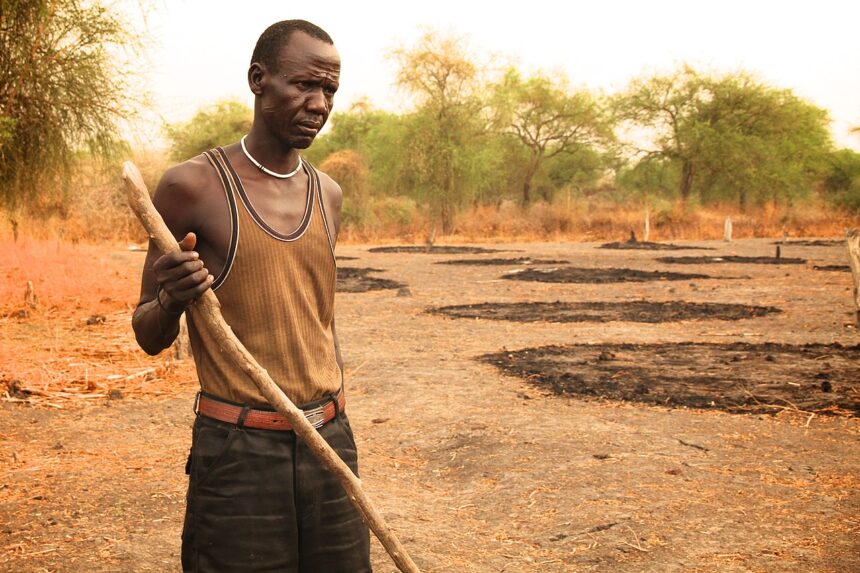
The Sudan food security crisis presents critical implications for global health practitioners and policy makers. Three essential facts define the current emergency: First, 19.5 million people facing acute food insecurity represents an unprecedented scale requiring coordinated international response. Second, the concentration of severe malnutrition among 755,000 children—combined with collapsed healthcare infrastructure—creates conditions for rapid disease spread and mortality. Third, agricultural production has plummeted 70% due to conflict-driven displacement and crop destruction, indicating the crisis will persist without agricultural system stabilization. Healthcare professionals should understand that malnutrition-related complications are already overwhelming the limited functional facilities, while preventable diseases flourish in food-insecure populations. The classification of multiple regions as IPC Phase 5 (Catastrophe/Famine) signals that conventional humanitarian responses may prove insufficient. Medical institutions and public health organizations are encouraged to prepare for potential refugee health emergencies and coordinate donation efforts with established humanitarian agencies. Read the full article on GMJ Newsroom.
Was this article helpful?