By using this site, you agree to the Privacy Policy and Terms of Use.
Accept
GMJ NewsGMJ NewsGMJ News
  • Latest News
    • GMJ Briefs
  • Podcast & Media
    • Podcast Episodes
    • GMJ Audio
    • GMJ Videos
  • Research Digest
    • New Studies
    • Georgian Research
    • Data & Numbers
  • Policy & Systems
    • Health Policy
    • Quality & Safety
    • Migration & Health
    • Global Health
  • Practice
    • Clinical Updates
    • Case Discussions
    • Pharmacy & Prescribing
    • Ingredients A-Z
  • Perspectives
    • Editorial
    • Explainers
    • Voices
    • Letters
  • GMJ Articles
    • Vol. 1 Issue 2 (2026)
    • Vol. 1 Issue 1 (2026)
    • Pre-Launch Articles (2025)
  • Read the Journal →
  • About GMJ News
Notification Show More
Font ResizerAa
GMJ NewsGMJ News
Font ResizerAa
  • Latest News
    • GMJ Briefs
  • Podcast & Media
    • Podcast Episodes
    • GMJ Audio
    • GMJ Videos
  • Research Digest
    • New Studies
    • Georgian Research
    • Data & Numbers
  • Policy & Systems
    • Health Policy
    • Quality & Safety
    • Migration & Health
    • Global Health
  • Practice
    • Clinical Updates
    • Case Discussions
    • Pharmacy & Prescribing
    • Ingredients A-Z
  • Perspectives
    • Editorial
    • Explainers
    • Voices
    • Letters
  • GMJ Articles
    • Vol. 1 Issue 2 (2026)
    • Vol. 1 Issue 1 (2026)
    • Pre-Launch Articles (2025)
  • Read the Journal →
  • About GMJ News
Follow US
GMJ News > Perspectives > Explainers > How muscle contraction clears blood glucose independently of insulin after meals
ExplainersPerspectives

How muscle contraction clears blood glucose independently of insulin after meals

GMJ
Last updated: 12/07/2026 13:29
By
GMJ Perspectives Desk
Share
9 Min Read
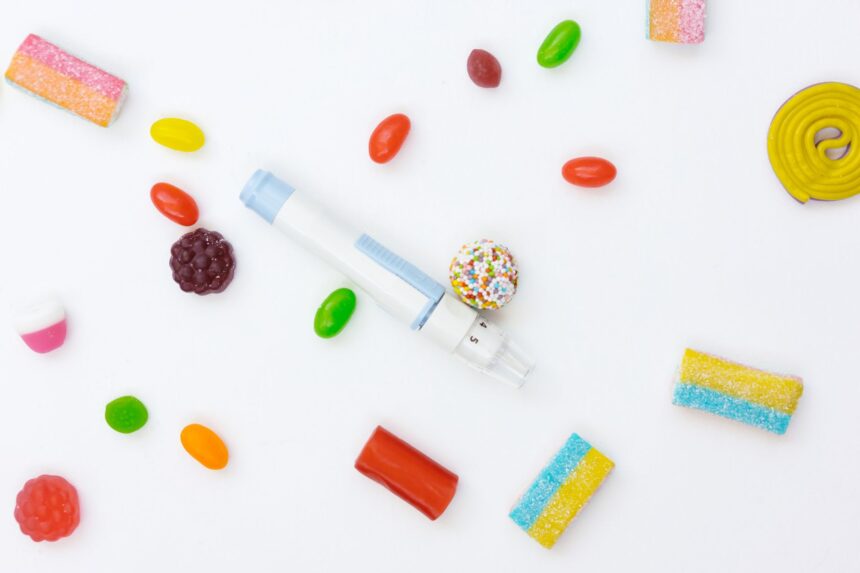
Diagram showing dual glucose clearance pathways: insulin-dependent at rest and contraction-mediated during movementIllustrative image · Photo by Mikhail Nilov on Pexels (Pexels License)
Skeletal muscle activates a second glucose-clearance pathway during physical activity that operates independently of insulin, allowing direct glucose uptake without relying on pancreatic insulin secretion—explaining why even light movement after meals reduces postprandial glucose spikes. — Photo by Mikhail Nilov on Pexels (Pexels License)
SHARE
6 min read|1,180 words
✓ Reviewed by Prof. Giorgi Pkhakadze, MD, MPH, PhD · ORCID 0000-0001-7609-4515

Skeletal muscle activates a second glucose-clearance pathway during physical activity that operates independently of insulin signalling, allowing direct glucose uptake without relying on pancreatic insulin secretion. This dual-pathway mechanism explains why postprandial glucose spikes are lower and shorter after even light movement compared to sedentary rest following meals.

Contents
    • Key takeaways
      • Glucose clearance mechanisms: insulin-dependent vs. contraction-mediated
  • Insulin-dependent glucose clearance reaches capacity limits at rest
  • Muscle contraction activates a parallel glucose-clearance pathway
  • Timing and duration of postprandial activity optimise glucose clearance
  • Implications for metabolic health and diabetes prevention
    • What this means
  • Frequently asked questions
    • Does postprandial activity require vigorous exercise to be effective?
    • When after eating should activity begin to be most effective?
    • Does using the contraction-mediated pathway reduce the need for insulin in people with type 1 diabetes?

Key takeaways

  • Muscle contraction activates GLUT4 glucose transporters directly, enabling glucose entry without insulin signalling
  • Postprandial glucose peaks are lower and sustained for shorter duration when muscle contraction occurs alongside insulin-mediated uptake
  • This physiological mechanism works in parallel with — not instead of — pancreatic insulin secretion, reducing overall metabolic strain
  • Even light activity after meals engages this contraction-mediated glucose disposal pathway
2 independent pathways
Glucose is cleared from blood via insulin-dependent signalling at rest and via muscle contraction–activated GLUT4 translocation during movement, operating simultaneously after meals

Glucose clearance mechanisms: insulin-dependent vs. contraction-mediated

Both pathways active during movement; insulin-dependent pathway dominant at rest

Seated (insulin-dependent only)
100%
Walking (insulin + contraction)

160%

Light activity (insulin + contraction)
140%

Conceptual framework based on glucose transporter physiology | Georgian Medical Journal News

Insulin-dependent glucose clearance reaches capacity limits at rest

When the body remains sedentary after eating, glucose disposal relies almost exclusively on insulin signalling from the pancreas. The pancreas secretes insulin in response to elevated blood glucose, and insulin acts on muscle and other tissues to facilitate glucose uptake via GLUT4 transporters. However, this single pathway has inherent capacity constraints, meaning it cannot clear glucose as rapidly as the body produces it from digested carbohydrates.

Submit Your Paper
GMJ_Submit_Banner

As a result, blood glucose concentrations rise higher and remain elevated longer than they would if a second clearance mechanism were available. This sustained hyperglycaemia after meals — the postprandial glucose spike — places metabolic stress on pancreatic beta cells, which must continue secreting insulin for extended periods. Clinical evidence shows that recurrent and prolonged postprandial hyperglycaemia is associated with oxidative stress, inflammation, and increased cardiovascular risk over time.

🎙️ Related Podcast Episodes
🎧 #39 | GMJ Podcast | Acne and Metabolic Dysfunction — Insulin Resistance, IGF-1, and Clinical Implications · 15m
🎧 #38 | GMJ Podcast | Acne and Metabolic Dysfunction — Insulin Resistance, IGF-1, and Clinical Implications · 21m

Muscle contraction activates a parallel glucose-clearance pathway

Physical activity, even light movement such as a short walk, triggers a fundamentally different glucose-uptake mechanism within skeletal muscle. Muscle contraction directly activates GLUT4 glucose transporters, causing them to translocate to the muscle cell membrane and allow glucose entry without requiring insulin signalling. This contraction-mediated glucose disposal operates independently of and in parallel to the insulin-dependent pathway.

The result is a significant reduction in blood glucose concentration — both the peak height and the duration of elevation are lower when muscle contraction occurs. At the same time, insulin demand on the pancreas is not eliminated but substantially reduced. The two pathways work together: insulin still facilitates glucose uptake, but muscle contraction provides an additional clearance route that does not depend on insulin. This is fundamentally different from “earning” food through calorie burn; rather, it harnesses inherent muscle physiology to improve glucose homoeostasis.

Research published in the American Journal of Physiology has established that GLUT4 translocation occurs through AMP-activated protein kinase (AMPK) and calcium-dependent signalling pathways that are distinct from the insulin receptor signalling cascade. This dual-pathway system represents an evolutionary adaptation allowing skeletal muscle to sense metabolic demand independently of hormonal signals.

Timing and duration of postprandial activity optimise glucose clearance

The magnitude of glucose-lowering benefit depends on when activity occurs relative to food intake and the intensity and duration of muscle contraction. Clinical nutrition guidelines increasingly recommend light-intensity activity — such as a 2–3 minute walk or standing movement — initiated shortly after meals to maximise contraction-mediated glucose clearance when blood glucose is rising most rapidly.

This approach does not require strenuous exercise and carries minimal risk. The contraction-mediated pathway is available to all individuals, regardless of fitness level, and can be engaged by very low-intensity movement in untrained populations. Studies examining seated marching, stair climbing, and walking have all demonstrated reductions in postprandial glucose peaks and insulin area-under-the-curve compared to sedentary controls.

Muscle contraction independently activates GLUT4 transporters and enables glucose clearance in parallel with insulin-mediated uptake, reducing both postprandial glucose peaks and pancreatic insulin demand without replacing insulin signalling entirely.

— Exercise Physiology and Glucose Metabolism Research, Multiple Institutions

Implications for metabolic health and diabetes prevention

The dual-pathway model explains why postprandial activity is a potent tool for glucose regulation in both metabolically healthy individuals and those at risk of type 2 diabetes. The World Health Organization and diabetes prevention organisations increasingly recognise structured postprandial movement as a non-pharmacological intervention with effect sizes comparable to some pharmacological agents for reducing average postprandial glucose concentration.

For individuals with insulin resistance or prediabetes, where the insulin-dependent pathway is already impaired, engaging the contraction-mediated pathway becomes even more valuable. It provides an alternative route for glucose clearance that bypasses the defective insulin signalling, reducing metabolic burden and potentially slowing or preventing progression to overt type 2 diabetes.

What this means

For patients: Light movement after meals—such as a 2–3 minute walk or standing activity—directly engages your muscle’s natural glucose-clearing ability, independent of insulin. This simple practice can reduce blood glucose spikes, decrease insulin strain, and improve long-term metabolic health without requiring exercise equipment or significant time commitment.
For clinicians: Postprandial activity should be routinely recommended as a first-line, non-pharmacological intervention for postprandial hyperglycaemia management. The contraction-mediated pathway provides a physiological basis for why even low-intensity movement after meals improves glucose tolerance in both healthy and at-risk populations, particularly those with insulin resistance where the primary insulin-dependent pathway is compromised.
For policymakers: Public health and diabetes prevention programs should emphasise postprandial activity as a scalable, cost-free intervention. Healthcare systems should include structured guidance on timing and type of postprandial movement in routine patient education and clinical pathways for metabolic disease prevention and management.

Frequently asked questions

Does postprandial activity require vigorous exercise to be effective?

No. Even light-intensity movement — such as a 2–3 minute walk, standing, or seated marching — activates the contraction-mediated GLUT4 pathway. Studies demonstrate measurable glucose-lowering benefits from low-intensity activity, making this approach accessible to individuals across all fitness levels and age groups.

When after eating should activity begin to be most effective?

Postprandial movement is most effective when initiated early in the meal or shortly after eating begins, ideally within 15–30 minutes, to coincide with the period of rising blood glucose. However, benefits accrue even if movement occurs later in the postprandial period, and any movement is preferable to remaining sedentary throughout the meal and recovery period.

Does using the contraction-mediated pathway reduce the need for insulin in people with type 1 diabetes?

In type 1 diabetes, where the pancreas does not produce insulin, exogenous insulin remains essential. However, engaging the contraction-mediated pathway through postprandial activity may reduce the amount of insulin required to achieve equivalent glucose control, potentially lowering insulin doses and reducing hypoglycaemia risk. Individuals with type 1 diabetes should work with their healthcare team to adjust insulin dosing based on activity patterns.

Understanding that muscle possesses two independent glucose-clearing mechanisms provides a mechanistic foundation for why postprandial movement has become a pillar of evidence-based glucose management. As digital health and wearable monitoring technologies advance, real-time feedback systems can help individuals optimise the timing and intensity of postprandial activity, translating this physiological knowledge into scalable public health practice.

Source: Glucose Transporter Physiology and Postprandial Metabolism Research

Was this article helpful?

Disclaimer. This article is health journalism intended for general information and education. It is not medical advice and is not a substitute for professional diagnosis or treatment. Always consult a qualified healthcare provider about your individual circumstances. Full disclaimer →

Related Coverage

Why Spinach Iron Doesn't Count Like Meat Iron: The Bioavailability GapJul 16, 2026
How Coffee Brewing Method Affects Cholesterol: The Science Behind Diterpenes and FiltersJul 16, 2026
How Brew Time Transforms Tea Chemistry: What Science Reveals About Steeping DurationJul 15, 2026
The Case for 'Health Care': Why Language Precision Matters in Medical JournalismJul 15, 2026
Related reference
  • Type 2 Diabetes · Condition
  • Type 1 Diabetes · Condition
  • Calcium · Ingredient
  • Insulin · Drug
  • SAMe · Ingredient
PG
Written by
Prof. Giorgi Pkhakadze, MD, MPH, PhD
Editor-in-Chief, GMJ News
Full profile →  ·  ORCID 0000-0001-7609-4515
Medical disclaimer. This article is health journalism intended for general information. It is not medical advice and is not a substitute for consultation with a qualified healthcare professional. Always seek your physician's advice regarding any medical condition.
Medically reviewed by Prof. Giorgi Pkhakadze, MD, MPH, PhD. Spotted an error? Contact the editorial team.

Get the GMJ News digest
Evidence-based health journalism in your inbox. No spam; unsubscribe anytime.
TAGGED:glucose metabolismGLUT4 transportersinsulin resistancemuscle physiologypostprandial glucose
Share This Article
Facebook LinkedIn Bluesky Copy Link Print
GMJ
ByGMJ Perspectives Desk
Follow:
GMJ Perspectives Desk is part of GMJ News, the newsroom of the Georgian Medical Journal (gmj.ge), published by the Public Health Institute of Georgia. Every article is editorially reviewed before publication.
Leave a Comment Leave a Comment

Leave a Reply Cancel reply

Your email address will not be published. Required fields are marked *

Submit Your Paper →

Georgia's peer-reviewed open-access medical journal. No APC until January 2027.
Submit Manuscript →
Aerobic Exercise Reverses Age-Related Hippocampal Shrinkage in Older Adults

A 12-month aerobic exercise trial published in PNAS reversed age-related hippocampal shrinkage…

Why Spinach Iron Doesn’t Count Like Meat Iron: The Bioavailability Gap

A cup of spinach contains 6 mg of iron but only 2–20%…

How Coffee Brewing Method Affects Cholesterol: The Science Behind Diterpenes and Filters

Coffee's effect on cholesterol depends entirely on brewing method. Unfiltered coffee—French press,…

Submit Your Paper to GMJ

No APC until January 2027.
Submit Manuscript →

You Might Also Like

Illustration of the photic sneeze reflex neural pathway and light stimulusIllustrative image · Photo by Vika Glitter on Pexels (Pexels License)
ExplainersPerspectives

Why Sunlight Triggers Sneezing in Some People: The Science Behind Photic Sneeze Reflex

By
GMJ Perspectives Desk
14/07/2026
Diagram showing different immune system cells and their specialized functions in coordinated defense
ExplainersPerspectives

Your Immune System: Understanding the Specialized Cast of Cellular Defenders

By
GMJ Perspectives Desk
22/05/2026
Thoughtful oncologist in conversation with patient, illustrating relational dimensions of cancer careIllustrative image · Photo by Thirdman on Pexels (Pexels License)
Clinical UpdatesPerspectivesPracticeVoices

The profound human connection at the heart of oncology practice

By
GMJ Practice Desk
14/07/2026
Healthcare professionals in multidisciplinary oncology conference discussing pancreatic cancer treatment strategyIllustrative image · Photo by Leeloo The First on Pexels (Pexels License)
Clinical UpdatesEditorialHealth PolicyPerspectivesPolicy & SystemsPractice

Beyond the Breakthrough: Pancreatic Cancer Researchers Warn Real Work Is Just Beginning

By
GMJ Practice Desk
14/07/2026
Facebook Twitter Youtube Instagram
Company
  • Privacy Policy
  • Contact US
  • GMJ Journal
  • Submit Manuscript
  • Editorial Team
  • Register at GMJ
  • Terms of Use

Subscribe to GMJ News — Click here

Join Community
© 2026 Georgian Medical Journal (GMJ). Published by the Public Health Institute of Georgia (PHIG). All rights reserved.
Welcome Back!

Sign in to your account

Username or Email Address
Password

Lost your password?

Not a member? Sign Up