By using this site, you agree to the Privacy Policy and Terms of Use.
Accept
GMJ NewsGMJ NewsGMJ News
  • Latest News
    • GMJ Briefs
  • Podcast & Media
    • Podcast Episodes
    • GMJ Audio
    • GMJ Videos
  • Research Digest
    • New Studies
    • Georgian Research
    • Data & Numbers
  • Policy & Systems
    • Health Policy
    • Quality & Safety
    • Migration & Health
    • Global Health
  • Practice
    • Clinical Updates
    • Case Discussions
    • Pharmacy & Prescribing
    • Ingredients A-Z
  • Perspectives
    • Editorial
    • Explainers
    • Voices
    • Letters
  • GMJ Articles
    • Vol. 1 Issue 2 (2026)
    • Vol. 1 Issue 1 (2026)
    • Pre-Launch Articles (2025)
  • Read the Journal →
  • About GMJ News
Notification Show More
Font ResizerAa
GMJ NewsGMJ News
Font ResizerAa
  • Latest News
    • GMJ Briefs
  • Podcast & Media
    • Podcast Episodes
    • GMJ Audio
    • GMJ Videos
  • Research Digest
    • New Studies
    • Georgian Research
    • Data & Numbers
  • Policy & Systems
    • Health Policy
    • Quality & Safety
    • Migration & Health
    • Global Health
  • Practice
    • Clinical Updates
    • Case Discussions
    • Pharmacy & Prescribing
    • Ingredients A-Z
  • Perspectives
    • Editorial
    • Explainers
    • Voices
    • Letters
  • GMJ Articles
    • Vol. 1 Issue 2 (2026)
    • Vol. 1 Issue 1 (2026)
    • Pre-Launch Articles (2025)
  • Read the Journal →
  • About GMJ News
Follow US
GMJ News > Perspectives > Explainers > Taurine and Cancer: Separating Laboratory Findings from Dietary Risk
ExplainersPerspectives

Taurine and Cancer: Separating Laboratory Findings from Dietary Risk

GMJ
Last updated: 12/07/2026 13:29
By
GMJ Perspectives Desk
Share
11 Min Read
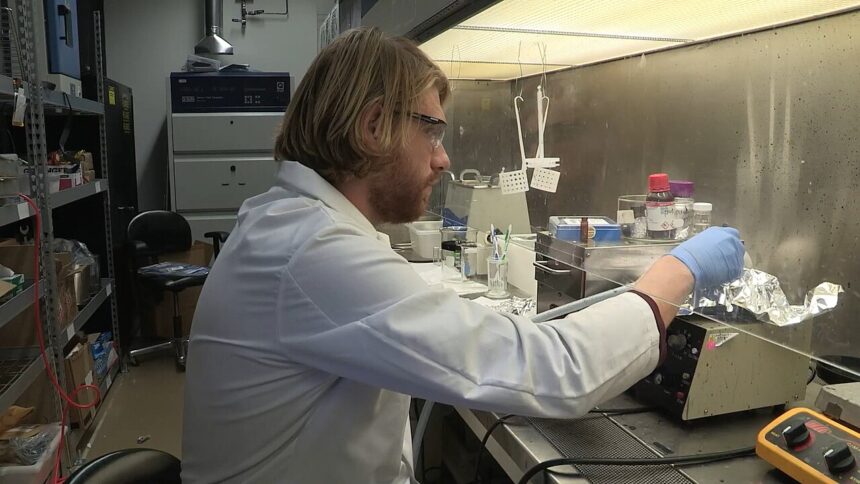
Molecular structure and cellular metabolism illustration showing taurine functionIllustrative image · A scientist working in a laboratory.jpg by Stanford ENERGY, Video by Mark Shwartz / CC BY 2.5 via Wikimedia Commons (CC BY 2.5)
Recent headlines claimed taurine fuels cancer, but a Nature study of leukemia cells in mice was misrepresented. Taurine was not shown to cause cancer; rather, existing cancer cells can use it as a metabolic substrate—a mechanism distinct from dietary risk. — A scientist working in a laboratory.jpg by Stanford ENERGY, Video by Mark Shwartz / CC BY 2.5 via Wikimedia Commons (CC BY 2.5)
SHARE
🎧 Listen to this article9:58 min · 1,425 words · GMJ Audio
7 min read|1,425 words
✓ Reviewed by Prof. Giorgi Pkhakadze, MD, MPH, PhD · ORCID 0000-0001-7609-4515

🟡 Preliminary Evidence

Contents
    • Key takeaways
      • Taurine’s Documented Roles in Human Health
  • What taurine actually is and does
  • The Nature study: what it actually measured
  • Why cancer cells co-opt nutrients—and why it does not make them carcinogenic
  • What the evidence actually shows about taurine safety
    • What this means
  • Frequently asked questions
    • Does this study prove that taurine causes cancer?
    • Should I stop consuming taurine or energy drinks to prevent cancer?
    • Could this research lead to new cancer treatments?

Recent media headlines have suggested that taurine, a popular dietary supplement and amino-acid-like molecule found in energy drinks, may fuel cancer growth. However, this framing fundamentally misrepresents both the biology of taurine and the actual findings of the research behind the headlines. The study in question, published in Nature, examined leukemia cell metabolism in genetically engineered mouse models—not dietary taurine intake in humans—and found that cancer cells can co-opt taurine as a metabolic substrate, a phenomenon distinct from taurine being a cancer-causing agent.

Key takeaways

  • A recent Nature study examined taurine metabolism in leukemia cells within mouse bone marrow, not dietary taurine exposure in humans
  • Taurine was not shown to cause, initiate, or promote cancer; rather, existing leukemia cells used it as a metabolic fuel source
  • Cancer cells hijack many normal nutrients—glucose, glutamine, and amino acids—to fuel growth; this does not make those nutrients carcinogenic
  • Separate research indicates taurine may support anti-tumor immunity and improve CD8⁺ T cell function in immunotherapy contexts
500 mg
typical daily taurine intake from diet and supplements in clinical contexts

Taurine’s Documented Roles in Human Health

Key physiological functions supported by decades of research

Cell membrane stabilization
Essential
Mitochondrial energy production
Essential
Calcium signaling
Essential
Antioxidant defense
Essential
Immune cell function
Supportive

Source: Biochemical literature review | Georgian Medical Journal News

Submit Your Paper
GMJ_Submit_Banner

What taurine actually is and does

Taurine is a conditionally essential amino-acid-like molecule that your body synthesizes from methionine and cysteine, and can also obtain from dietary sources including meat, fish, and eggs. It is not a vitamin or pharmaceutical drug, but rather a fundamental molecule required for normal cellular function. Taurine is highly concentrated in metabolically active tissues: the brain, heart, skeletal muscle, and retina depend on robust taurine levels to function properly.

🎙️ Related Podcast Episodes
🎬 GMJ Video Series | Rare Case: Lung Cancer & Tuberculosis Coexistence
🎧 #37 | GMJ Podcast | NAD⁺ Injections and “NAD Boosters” — Public Health Risks and Regulatory Implications · 20m
🎧 #14 | WHO: Four in Ten Cancer Cases Could Be Prevented Globally · 16m

The molecule performs at least four critical roles. First, it stabilizes cell membranes by modulating lipid composition and preventing membrane disruption under stress. Second, it regulates calcium signaling, a foundational mechanism for muscle contraction, neurotransmitter release, and cellular energy metabolism. Third, taurine supports mitochondrial function and ATP production—the cell’s energy currency. Fourth, it acts as an intracellular buffer against metabolic and oxidative stress, protecting cells from damage caused by free radicals and inflammatory molecules.

The Nature study: what it actually measured

The controversy stems from research published in Nature that examined acute myeloid leukemia (AML) cell metabolism in the bone marrow microenvironment using genetically engineered mouse models. The researchers did not study human dietary taurine intake, did not administer taurine supplements, and did not examine energy drinks. Instead, they used advanced molecular techniques to identify which metabolic pathways leukemia cells activate to survive and proliferate within the hostile bone marrow niche.

The key finding was that leukemia cells upregulated a taurine transporter protein and increased local taurine synthesis to fuel two major growth pathways: mTOR signaling (which controls cell proliferation) and glycolysis (which generates rapid ATP). When the researchers genetically blocked either taurine transport or the enzymes that synthesize taurine in these mouse models, leukemia progression slowed. This is a mechanistic finding specific to a disease state in a particular tissue microenvironment—not evidence that dietary taurine causes or initiates cancer.

Taurine was not introduced through diet or supplementation in the study. It was not shown to cause or initiate cancer. Instead, existing leukemia cells used locally produced taurine as a metabolic substrate to fuel growth.

— Research methodology from Nature study, 2024

Why cancer cells co-opt nutrients—and why it does not make them carcinogenic

Cancer cells are metabolically voracious; they reprogram their nutrient uptake and utilization to fuel uncontrolled proliferation. This is a hallmark of cancer biology, well-established in decades of research on tumor metabolism. Cancer cells hijack glucose (via aerobic glycolysis, the Warburg effect), glutamine (via glutaminolysis), lipids, and amino acids—including taurine, carnitine, and arginine—to generate energy and biosynthetic precursors.

This does not mean glucose causes diabetes patients to develop cancer, or that glutamine supplementation increases cancer risk, or that lipids are inherently carcinogenic. It means that once a cancer is established, it becomes metabolically dependent on these nutrients. The distinction is critical: taurine is not a cancer initiator; it is a metabolic fuel that cancer cells can exploit if they already exist. Blocking taurine availability might slow established cancer progression in the laboratory, but that does not translate into dietary recommendations to avoid taurine.

In fact, a complementary body of research suggests taurine may support anti-tumor immunity. Studies published in peer-reviewed immunology journals have shown that taurine enhances function in exhausted CD8⁺ T cells (immune cells critical for killing cancer) and improves responses to checkpoint immunotherapy. The same molecule that can fuel leukemia cells in the bone marrow can strengthen the immune system’s ability to recognize and eliminate cancer. Context—tissue type, cell type, metabolic state—determines biological outcome.

What the evidence actually shows about taurine safety

Decades of human epidemiological data and clinical trials provide no evidence that dietary taurine or taurine supplementation increases cancer risk. Populations with high dietary taurine intake (such as those consuming meat and fish regularly) do not show elevated cancer incidence attributable to taurine. Energy drinks containing taurine have been studied for metabolic and cardiovascular safety concerns, but cancer risk from taurine itself has not emerged as a significant finding in this literature.

The U.S. FDA has designated taurine as a supplement ingredient generally recognized as safe (GRAS), and it is approved as a food additive in many countries. Recommended intake levels for supplementation range from 500 mg to 3,000 mg per day in clinical contexts, with higher doses tolerated in research settings without clear adverse effects directly attributable to taurine. This is not a statement that taurine is a guaranteed preventive agent; rather, it reflects the absence of evidence for harm at typical intake levels in human populations.

What this means

For patients: There is no evidence that dietary taurine, supplements, or energy drinks containing taurine increase cancer risk. Individuals with established cancer should consult their oncology team about any supplements, but avoiding taurine based on this mouse study is not warranted by current evidence. Those with kidney disease or on dialysis should discuss taurine intake with their nephrologist, as individual health status matters more than population-level headlines.
For clinicians: This study is a basic-science mechanistic finding in a disease-specific context (leukemia in mice), not a clinical guideline-changing discovery. It does not alter recommendations regarding dietary assessment or counseling about taurine-containing foods or supplements for cancer prevention or survivorship. However, it opens a testable hypothesis for future research on metabolic vulnerabilities in established leukemias, potentially leading to new therapeutic strategies.
For policymakers: This finding does not warrant restrictions on taurine as a dietary ingredient or food additive. Future research may identify specific cancer subtypes for which metabolic interventions targeting taurine availability could complement immunotherapy or chemotherapy, but that is a precision-medicine question, not a public health risk. Clear science communication is needed to prevent unfounded dietary restrictions based on oversimplified headlines.

Frequently asked questions

Does this study prove that taurine causes cancer?

No. The study showed that established leukemia cells can use taurine as a metabolic fuel source. Cancer initiation and cancer fuel metabolism are different biological processes. The research does not address whether taurine increases cancer risk in humans, and decades of epidemiological data show no such association.

Should I stop consuming taurine or energy drinks to prevent cancer?

There is no evidence from this or prior studies that dietary taurine or energy drinks increase cancer risk. If you consume energy drinks, consider the broader context of total caffeine and sugar intake. If you have concerns about cancer prevention, focus on established risk factors: smoking cessation, maintaining a healthy weight, reducing alcohol, and regular physical activity.

Could this research lead to new cancer treatments?

Possibly. If future research confirms that certain leukemias depend heavily on taurine metabolism, blocking taurine availability or synthesis might become a novel therapeutic strategy, potentially combined with immunotherapy or chemotherapy. However, this remains a preclinical finding and would require extensive clinical validation before any therapeutic application.

The disconnect between this mouse study and the headlines reflects a broader challenge in science communication: sensational framings of basic-science research can mislead the public and erode trust in genuine nutritional science. The latest peer-reviewed findings are most useful when contextualized within the full body of evidence. For taurine, that context is reassuring: it is a conditionally essential molecule fundamental to human health, and no credible evidence suggests dietary intake or supplementation at normal levels increases cancer risk. Separating mechanistic laboratory findings from dietary recommendations is not just good science; it is essential public health communication.

Was this article helpful?

Disclaimer. This article is health journalism intended for general information and education. It is not medical advice and is not a substitute for professional diagnosis or treatment. Always consult a qualified healthcare provider about your individual circumstances. Full disclaimer →

Related Coverage

How Vitamins and Minerals Power Brain Chemistry: The Neurotransmitter ConnectionJul 26, 2026
Beyond Neurons: How Brain's Supporting Cells Drive Inflammation and Cognitive ResilienceJul 26, 2026
How Your Immune System Learns and Remembers: The Dual Defence StrategyJul 26, 2026
Why Normal Thyroid Tests Don't Always Mean You're Healthy: The Hashimoto's GapJul 26, 2026
Related reference
  • Calcium · Ingredient
  • Taurine · Ingredient
  • Iron · Ingredient
  • SAMe · Ingredient
PG
Written by
Prof. Giorgi Pkhakadze, MD, MPH, PhD
Editor-in-Chief, GMJ News
Full profile →  ·  ORCID 0000-0001-7609-4515
Medical disclaimer. This article is health journalism intended for general information. It is not medical advice and is not a substitute for consultation with a qualified healthcare professional. Always seek your physician's advice regarding any medical condition.
Medically reviewed by Prof. Giorgi Pkhakadze, MD, MPH, PhD. Spotted an error? Contact the editorial team.
Get the GMJ News digest
Evidence-based health journalism in your inbox. No spam; unsubscribe anytime.
TAGGED:cancer metabolismdietary supplementsevidence-based healthscience communicationtaurine
Share This Article
Facebook LinkedIn Bluesky Copy Link Print
GMJ
ByGMJ Perspectives Desk
Follow:
GMJ Perspectives Desk is part of GMJ News, the newsroom of the Georgian Medical Journal (gmj.ge), published by the Public Health Institute of Georgia. Every article is editorially reviewed before publication.
Leave a Comment Leave a Comment

Leave a Reply Cancel reply

Your email address will not be published. Required fields are marked *

Submit Your Paper →

Georgia's peer-reviewed open-access medical journal. No APC until January 2027.
Submit Manuscript →
Sleep deprivation damages multiple body systems simultaneously, six controlled studies show

Six controlled studies show that sleep deprivation simultaneously disrupts hormonal regulation, metabolic…

How Vitamins and Minerals Power Brain Chemistry: The Neurotransmitter Connection

Vitamins B6, B12, folate, and minerals including zinc, magnesium, and iron function…

Beyond Neurons: How Brain’s Supporting Cells Drive Inflammation and Cognitive Resilience

The brain's health depends on more than neurons alone. A complex cellular…

Submit Your Paper to GMJ

No APC until January 2027.
Submit Manuscript →

You Might Also Like

Illustration of caffeine absorption and metabolism through the liver showing CYP1A2 enzyme and metabolitesIllustrative image · Photo by Felix Haumann on Pexels (Pexels License)
ExplainersPerspectives

Why Coffee Affects Everyone Differently: The Science of Caffeine Metabolism

By
GMJ Perspectives Desk
25/07/2026
Researchers presenting longevity science concepts at public festival eventIllustrative image · Photo by Rajesh Rajput on Unsplash (Unsplash License)
New StudiesResearch Digest

Longevity Science Takes Center Stage at Bay Area Festival as Industry Seeks Mainstream Appeal

By
GMJ Research Desk
14/06/2026
Illustration showing micronutrients B vitamins, vitamin D, magnesium, and zinc in the context of brain health and mood regulation.Illustrative image · Photo by ready made on Pexels (Pexels License)
Clinical UpdatesExplainersPerspectivesPractice

Can micronutrient deficiencies worsen depression? What the evidence shows

By
GMJ Practice Desk
19/07/2026
Illustration of mitochondrial structure and cellular energy signaling pathwaysIllustrative image · Photo by National Institute of Allergy and Infectious Diseases on Unsplash (Unsplash License)
ExplainersNew StudiesPerspectivesResearch Digest

Mitochondria as metabolic decision-makers: how cellular power plants regulate inflammation, aging, and disease

By
GMJ Perspectives Desk
21/07/2026
Facebook Twitter Youtube Instagram
Company
  • Privacy Policy
  • Contact US
  • GMJ Journal
  • Submit Manuscript
  • Editorial Team
  • Register at GMJ
  • Terms of Use

Subscribe to GMJ News — Click here

Join Community
© 2026 Georgian Medical Journal (GMJ). Published by the Public Health Institute of Georgia (PHIG). All rights reserved.
Welcome Back!

Sign in to your account

Username or Email Address
Password

Lost your password?

Not a member? Sign Up