🟡 Preliminary Evidence
Recent media headlines have suggested that taurine, a popular dietary supplement and amino-acid-like molecule found in energy drinks, may fuel cancer growth. However, this framing fundamentally misrepresents both the biology of taurine and the actual findings of the research behind the headlines. The study in question, published in Nature, examined leukemia cell metabolism in genetically engineered mouse models—not dietary taurine intake in humans—and found that cancer cells can co-opt taurine as a metabolic substrate, a phenomenon distinct from taurine being a cancer-causing agent.
Key takeaways
- A recent Nature study examined taurine metabolism in leukemia cells within mouse bone marrow, not dietary taurine exposure in humans
- Taurine was not shown to cause, initiate, or promote cancer; rather, existing leukemia cells used it as a metabolic fuel source
- Cancer cells hijack many normal nutrients—glucose, glutamine, and amino acids—to fuel growth; this does not make those nutrients carcinogenic
- Separate research indicates taurine may support anti-tumor immunity and improve CD8⁺ T cell function in immunotherapy contexts
Taurine’s Documented Roles in Human Health
Key physiological functions supported by decades of research
Source: Biochemical literature review | Georgian Medical Journal News

What taurine actually is and does
Taurine is a conditionally essential amino-acid-like molecule that your body synthesizes from methionine and cysteine, and can also obtain from dietary sources including meat, fish, and eggs. It is not a vitamin or pharmaceutical drug, but rather a fundamental molecule required for normal cellular function. Taurine is highly concentrated in metabolically active tissues: the brain, heart, skeletal muscle, and retina depend on robust taurine levels to function properly.
The molecule performs at least four critical roles. First, it stabilizes cell membranes by modulating lipid composition and preventing membrane disruption under stress. Second, it regulates calcium signaling, a foundational mechanism for muscle contraction, neurotransmitter release, and cellular energy metabolism. Third, taurine supports mitochondrial function and ATP production—the cell’s energy currency. Fourth, it acts as an intracellular buffer against metabolic and oxidative stress, protecting cells from damage caused by free radicals and inflammatory molecules.
The Nature study: what it actually measured
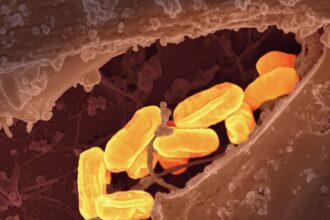
The controversy stems from research published in Nature that examined acute myeloid leukemia (AML) cell metabolism in the bone marrow microenvironment using genetically engineered mouse models. The researchers did not study human dietary taurine intake, did not administer taurine supplements, and did not examine energy drinks. Instead, they used advanced molecular techniques to identify which metabolic pathways leukemia cells activate to survive and proliferate within the hostile bone marrow niche.
The key finding was that leukemia cells upregulated a taurine transporter protein and increased local taurine synthesis to fuel two major growth pathways: mTOR signaling (which controls cell proliferation) and glycolysis (which generates rapid ATP). When the researchers genetically blocked either taurine transport or the enzymes that synthesize taurine in these mouse models, leukemia progression slowed. This is a mechanistic finding specific to a disease state in a particular tissue microenvironment—not evidence that dietary taurine causes or initiates cancer.
Taurine was not introduced through diet or supplementation in the study. It was not shown to cause or initiate cancer. Instead, existing leukemia cells used locally produced taurine as a metabolic substrate to fuel growth.
— Research methodology from Nature study, 2024
Why cancer cells co-opt nutrients—and why it does not make them carcinogenic
Cancer cells are metabolically voracious; they reprogram their nutrient uptake and utilization to fuel uncontrolled proliferation. This is a hallmark of cancer biology, well-established in decades of research on tumor metabolism. Cancer cells hijack glucose (via aerobic glycolysis, the Warburg effect), glutamine (via glutaminolysis), lipids, and amino acids—including taurine, carnitine, and arginine—to generate energy and biosynthetic precursors.
This does not mean glucose causes diabetes patients to develop cancer, or that glutamine supplementation increases cancer risk, or that lipids are inherently carcinogenic. It means that once a cancer is established, it becomes metabolically dependent on these nutrients. The distinction is critical: taurine is not a cancer initiator; it is a metabolic fuel that cancer cells can exploit if they already exist. Blocking taurine availability might slow established cancer progression in the laboratory, but that does not translate into dietary recommendations to avoid taurine.
In fact, a complementary body of research suggests taurine may support anti-tumor immunity. Studies published in peer-reviewed immunology journals have shown that taurine enhances function in exhausted CD8⁺ T cells (immune cells critical for killing cancer) and improves responses to checkpoint immunotherapy. The same molecule that can fuel leukemia cells in the bone marrow can strengthen the immune system’s ability to recognize and eliminate cancer. Context—tissue type, cell type, metabolic state—determines biological outcome.
What the evidence actually shows about taurine safety
Decades of human epidemiological data and clinical trials provide no evidence that dietary taurine or taurine supplementation increases cancer risk. Populations with high dietary taurine intake (such as those consuming meat and fish regularly) do not show elevated cancer incidence attributable to taurine. Energy drinks containing taurine have been studied for metabolic and cardiovascular safety concerns, but cancer risk from taurine itself has not emerged as a significant finding in this literature.
The U.S. FDA has designated taurine as a supplement ingredient generally recognized as safe (GRAS), and it is approved as a food additive in many countries. Recommended intake levels for supplementation range from 500 mg to 3,000 mg per day in clinical contexts, with higher doses tolerated in research settings without clear adverse effects directly attributable to taurine. This is not a statement that taurine is a guaranteed preventive agent; rather, it reflects the absence of evidence for harm at typical intake levels in human populations.
What this means
Frequently asked questions
Does this study prove that taurine causes cancer?
No. The study showed that established leukemia cells can use taurine as a metabolic fuel source. Cancer initiation and cancer fuel metabolism are different biological processes. The research does not address whether taurine increases cancer risk in humans, and decades of epidemiological data show no such association.
Should I stop consuming taurine or energy drinks to prevent cancer?
There is no evidence from this or prior studies that dietary taurine or energy drinks increase cancer risk. If you consume energy drinks, consider the broader context of total caffeine and sugar intake. If you have concerns about cancer prevention, focus on established risk factors: smoking cessation, maintaining a healthy weight, reducing alcohol, and regular physical activity.
Could this research lead to new cancer treatments?
Possibly. If future research confirms that certain leukemias depend heavily on taurine metabolism, blocking taurine availability or synthesis might become a novel therapeutic strategy, potentially combined with immunotherapy or chemotherapy. However, this remains a preclinical finding and would require extensive clinical validation before any therapeutic application.
The disconnect between this mouse study and the headlines reflects a broader challenge in science communication: sensational framings of basic-science research can mislead the public and erode trust in genuine nutritional science. The latest peer-reviewed findings are most useful when contextualized within the full body of evidence. For taurine, that context is reassuring: it is a conditionally essential molecule fundamental to human health, and no credible evidence suggests dietary intake or supplementation at normal levels increases cancer risk. Separating mechanistic laboratory findings from dietary recommendations is not just good science; it is essential public health communication.
Was this article helpful?
Disclaimer. This article is health journalism intended for general information and education. It is not medical advice and is not a substitute for professional diagnosis or treatment. Always consult a qualified healthcare provider about your individual circumstances. Full disclaimer →
Related Coverage



Medically reviewed by Prof. Giorgi Pkhakadze, MD, MPH, PhD. Spotted an error? Contact the editorial team.