By using this site, you agree to the Privacy Policy and Terms of Use.
Accept
GMJ NewsGMJ NewsGMJ News
  • Latest News
    • GMJ Briefs
  • Podcast & Media
    • Podcast Episodes
    • GMJ Audio
    • GMJ Videos
  • Research Digest
    • New Studies
    • Georgian Research
    • Data & Numbers
  • Policy & Systems
    • Health Policy
    • Quality & Safety
    • Migration & Health
    • Global Health
  • Practice
    • Clinical Updates
    • Case Discussions
    • Pharmacy & Prescribing
    • Ingredients A-Z
  • Perspectives
    • Editorial
    • Explainers
    • Voices
    • Letters
  • GMJ Articles
    • Vol. 1 Issue 2 (2026)
    • Vol. 1 Issue 1 (2026)
    • Pre-Launch Articles (2025)
  • Read the Journal →
  • About GMJ News
Notification Show More
Font ResizerAa
GMJ NewsGMJ News
Font ResizerAa
  • Latest News
    • GMJ Briefs
  • Podcast & Media
    • Podcast Episodes
    • GMJ Audio
    • GMJ Videos
  • Research Digest
    • New Studies
    • Georgian Research
    • Data & Numbers
  • Policy & Systems
    • Health Policy
    • Quality & Safety
    • Migration & Health
    • Global Health
  • Practice
    • Clinical Updates
    • Case Discussions
    • Pharmacy & Prescribing
    • Ingredients A-Z
  • Perspectives
    • Editorial
    • Explainers
    • Voices
    • Letters
  • GMJ Articles
    • Vol. 1 Issue 2 (2026)
    • Vol. 1 Issue 1 (2026)
    • Pre-Launch Articles (2025)
  • Read the Journal →
  • About GMJ News
Follow US
GMJ News > Perspectives > Explainers > How amino acids shape brain function: from neurotransmitters to cognitive endurance
ExplainersPerspectives

How amino acids shape brain function: from neurotransmitters to cognitive endurance

GMJ
Last updated: 12/07/2026 13:29
By
GMJ Perspectives Desk
Share
9 Min Read
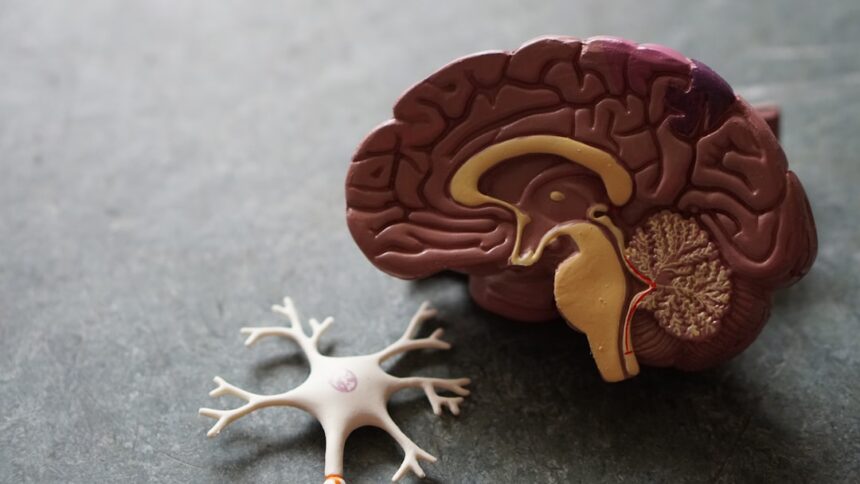
Infographic showing amino acid pathways to neurotransmitters and brain functions: tryptophan to serotonin, tyrosine to dopamine, glutamine to GABAIllustrative image · Photo by Robina Weermeijer on Unsplash (Unsplash License)
Amino acids are the biochemical foundation of neurotransmitter synthesis, energy metabolism, and synaptic communication. Nine essential amino acids obtained through dietary protein directly influence mood, cognition, motivation, and cognitive resilience through distinct neurobiological pathways. — Photo by Robina Weermeijer on Unsplash (Unsplash License)
SHARE
6 min read|1,192 words
✓ Reviewed by Prof. Giorgi Pkhakadze, MD, MPH, PhD · ORCID 0000-0001-7609-4515

Amino acids function as the biochemical substrate for neurotransmitter synthesis, neuronal energy metabolism, and synaptic communication—making them fundamental to cognition, mood regulation, and mental endurance. Understanding how specific amino acids influence brain chemistry offers clinicians and patients alike a framework for linking dietary protein intake to cognitive outcomes.

Contents
    • Key takeaways
      • Amino acid pathways to major brain functions
  • The neurotransmitter foundation: tryptophan and tyrosine
  • Glutamate, GABA, and the excitatory-inhibitory balance
  • Branched-chain amino acids and cognitive endurance
  • Neuroprotection, blood flow, and synaptic plasticity
    • What this means
  • Frequently asked questions
    • Can diet alone correct neurotransmitter imbalances?
    • Which foods provide the most complete amino acid profile?
    • Do amino acid supplements outperform dietary protein?

Key takeaways

  • Nine amino acids are essential to the brain and must be obtained through diet; they serve as precursors for all major neurotransmitters
  • Tryptophan and tyrosine directly regulate serotonin and dopamine pathways, which govern mood, sleep, and motivation
  • Glutamine, serine, and glycine balance excitatory and inhibitory neurotransmission—the brain’s fundamental control mechanism
  • Leucine, methionine, and valine support neuronal energy metabolism and can sustain cognitive function during metabolic stress
  • Arginine and histidine enhance cerebral blood flow and synaptic plasticity, processes essential for learning and neuroprotection
9
Essential amino acids required for brain function that must be obtained through dietary protein sources, as the body cannot synthesise them endogenously

Amino acid pathways to major brain functions

Key amino acids and their roles in neurotransmitter synthesis, energy metabolism, and neuroprotection

Tryptophan (serotonin, melatonin)
Mood, sleep
Tyrosine (dopamine, norepinephrine)
Motivation, focus
Glutamine (glutamate, GABA)
Excitatory/inhibitory balance
Leucine, valine, methionine
Energy metabolism
Arginine (nitric oxide)
Blood flow, plasticity

Source: Amino acid biochemistry literature | Georgian Medical Journal News

The neurotransmitter foundation: tryptophan and tyrosine

Tryptophan and tyrosine are the primary dietary sources of serotonin and dopamine respectively—two neurotransmitters that regulate mood, motivation, sleep, and stress resilience. Inadequate tryptophan availability has been associated with depressive symptoms and sleep disturbance, while insufficient tyrosine may impair cognitive performance under acute stress, according to research in neurotransmitter biochemistry.

Submit Your Paper
GMJ_Submit_Banner

Tryptophan is converted to serotonin through a multi-step pathway beginning with the enzyme tryptophan hydroxylase. Adequate serotonin availability underpins mood stability and circadian rhythm regulation; melatonin, also synthesised from tryptophan, governs sleep-wake cycles. Tyrosine, by contrast, is the precursor for catecholamines—dopamine, norepinephrine, and epinephrine—which mediate alertness, motivation, and executive function. These pathways explain why protein intake timing and amino acid balance influence cognitive state across the day. For a deeper understanding of dietary protein’s role in mental health, see clinical guidance on nutrition and cognition.

🎙️ Related Podcast Episodes
🎧 #33 | GMJ Podcast | Public Health Policy as Education in NCD Prevention — Commentary by Owen Thomas · 21m
🎧 #4 Patient-Centred Care in Liver Transplantation in Georgia Professionalism, Communication, and Quality Standards in Transplant Services | GMJ Official Podcast · 17m

Tryptophan depletion studies demonstrate that reducing dietary tryptophan availability decreases cerebrospinal fluid serotonin levels and is associated with measurable mood decline within hours, while tyrosine supplementation under cognitive load has been shown to preserve reaction time and working memory performance.

— Neurotransmitter biochemistry literature

Glutamate, GABA, and the excitatory-inhibitory balance

Glutamine serves as the brain’s primary store of glutamate, the main excitatory neurotransmitter, and is also the precursor for GABA (gamma-aminobutyric acid), the brain’s primary inhibitory neurotransmitter. This dual role makes glutamine central to the brain’s ability to regulate the excitatory-inhibitory (E-I) balance—a fundamental property that governs everything from focus to seizure threshold. Serine and glycine further fine-tune this balance by modulating NMDA receptors, which are essential for synaptic plasticity and learning.

Imbalance in glutamate-GABA signalling has been implicated in anxiety, attention deficits, and neurodevelopmental disorders. Adequate dietary protein ensures sufficient glutamine availability to support both neurotransmitters without requiring the brain to catabolise its own structural proteins. The clinical significance of this mechanism is discussed in recent clinical updates on neurological health.

Branched-chain amino acids and cognitive endurance

Leucine, isoleucine, and valine—the branched-chain amino acids (BCAAs)—support neuronal mitochondrial function and can serve as alternative fuel substrates when glucose is limited, such as during fasting, intense exercise, or metabolic stress. These amino acids also regulate mTOR signalling, a pathway that controls neuroplasticity and synaptic density. Methionine contributes to this energy metabolism and also serves as the methyl donor for creatine synthesis, which buffers ATP availability in neurons.

During prolonged cognitive work or metabolic challenge, adequate BCAA availability helps sustain mental energy and prevent cognitive fatigue. This mechanism explains why protein-rich meals before demanding cognitive tasks may enhance sustained attention. Related research on nutritional interventions is available in scientific research on nutrition and health.

Neuroprotection, blood flow, and synaptic plasticity

Arginine is the substrate for nitric oxide (NO) synthesis via nitric oxide synthase. Nitric oxide improves cerebral blood flow and is a critical signalling molecule for long-term potentiation (LTP)—the cellular basis of learning and memory. Histidine produces histamine, which modulates arousal, appetite signalling, and memory consolidation. Together, these amino acids support the brain’s structural and functional plasticity—its ability to adapt, learn, and repair itself.

Chronic inadequate amino acid intake may compromise these neuroprotective pathways, potentially accelerating cognitive decline in ageing populations. This finding underscores the importance of sustained, adequate dietary protein across the lifespan.

Arginine’s role in nitric oxide synthesis has been shown to enhance synaptic plasticity and cerebral microcirculation, supporting learning consolidation and neuroprotection against age-related cognitive decline.

— Neurobiochemistry literature

What this means

For patients: Adequate dietary protein—particularly from varied sources including animal and plant proteins—supports mood stability, sustained focus, and cognitive resilience. Individuals experiencing fatigue, mood disturbance, or cognitive fog should evaluate protein intake and amino acid variety rather than focusing solely on total calories.
For clinicians: Nutritional history should be part of cognitive and mood assessment. Patients with depression, anxiety, attention deficits, or cognitive complaints warrant evaluation of protein intake, amino acid balance, and potential malabsorption. Dietary protein optimisation may be a low-risk complement to pharmacological and psychotherapeutic interventions.
For policymakers: Protein quality and accessibility remain public health priorities, particularly for vulnerable populations (older adults, low-income communities, those with malabsorption disorders). Nutrition guidelines should emphasise amino acid diversity, not just total protein quantity, and integrate nutritional assessment into mental health and cognitive screening programmes.

Frequently asked questions

Can diet alone correct neurotransmitter imbalances?

Diet provides the raw materials (amino acids) for neurotransmitter synthesis, but it is one component of a complex system. Genetic factors, stress, sleep, exercise, and medications also influence neurotransmitter function. Adequate protein and amino acid intake is necessary but not sufficient as a standalone treatment for mood or cognitive disorders. It should be integrated into comprehensive clinical care.

Which foods provide the most complete amino acid profile?

Animal proteins (meat, fish, eggs, dairy) contain all nine essential amino acids in optimal ratios. Plant-based proteins (legumes, nuts, seeds, whole grains) are also valuable but often lack one or more essential amino acids; combining different plant sources (e.g., legumes with grains) achieves completeness. Variety across protein sources maximises amino acid diversity and micronutrient intake.

Do amino acid supplements outperform dietary protein?

Whole dietary protein sources provide amino acids alongside cofactors (B vitamins, iron, zinc, magnesium) essential for neurotransmitter synthesis. Isolated amino acid supplements may be useful in specific clinical contexts (e.g., severe malabsorption), but evidence does not support routine supplementation in adequately nourished individuals. Food-based approaches remain the standard of care.

The relationship between dietary amino acids and brain function represents a critical intersection of nutrition science and neurobiology. As research continues to map amino acid pathways to cognition and mental health, the clinical message is clear: protein quality and amino acid diversity merit the same attention clinicians give to other behavioural and pharmacological interventions for mood and cognitive disorders. Future work should examine whether personalised amino acid profiling and targeted dietary counselling can enhance outcomes in depression, anxiety, neurodevelopmental disorders, and age-related cognitive decline.

Source: Amino acid neurotransmitter biochemistry literature compiled from peer-reviewed neuroscience and nutrition research

Was this article helpful?

Disclaimer. This article is health journalism intended for general information and education. It is not medical advice and is not a substitute for professional diagnosis or treatment. Always consult a qualified healthcare provider about your individual circumstances. Full disclaimer →

Related Coverage

How Brain Chemistry Shapes Mood, Sleep, and Focus: A Guide to NeurotransmittersAug 3, 2026
How Neurotransmitters Control Your Mood, Sleep, and Focus: A Brain Chemistry PrimerAug 3, 2026
How Protein Structure Determines Life and Disease: A Molecular FrameworkAug 3, 2026
Coffee brewing method significantly affects LDL cholesterol, study finds—paper filters protectiveAug 3, 2026
Related reference
  • Magnesium · Ingredient
  • Melatonin · Ingredient
  • Creatine · Ingredient
  • Glycine · Ingredient
  • BCAAs · Ingredient
  • Iron · Ingredient
  • Zinc · Ingredient
  • SAMe · Ingredient
PG
Written by
Prof. Giorgi Pkhakadze, MD, MPH, PhD
Editor-in-Chief, GMJ News
Full profile →  ·  ORCID 0000-0001-7609-4515
Medical disclaimer. This article is health journalism intended for general information. It is not medical advice and is not a substitute for consultation with a qualified healthcare professional. Always seek your physician's advice regarding any medical condition.
Medically reviewed by Prof. Giorgi Pkhakadze, MD, MPH, PhD. Spotted an error? Contact the editorial team.

Get the GMJ News digest
Evidence-based health journalism in your inbox. No spam; unsubscribe anytime.
TAGGED:amino acidsbrain healthcognitive functionMental HealthneurochemistryneurotransmittersNutritionprotein
Share This Article
Facebook LinkedIn Bluesky Copy Link Print
GMJ
ByGMJ Perspectives Desk
Follow:
GMJ Perspectives Desk is part of GMJ News, the newsroom of the Georgian Medical Journal (gmj.ge), published by the Public Health Institute of Georgia. Every article is editorially reviewed before publication.
Leave a Comment Leave a Comment

Leave a Reply Cancel reply

Your email address will not be published. Required fields are marked *

Submit Your Paper →

Georgia's peer-reviewed open-access medical journal. No APC until January 2027.
Submit Manuscript →
How Brain Chemistry Shapes Mood, Sleep, and Focus: A Guide to Neurotransmitters

Neurotransmitters—chemical messengers between brain cells—regulate mood, sleep, motivation, and cognitive focus. Understanding…

Extra Virgin Olive Oil: 20 Grams Daily Linked to Lower Cancer and All-Cause Mortality

Approximately 23,000 Italian adults consuming 30 grams of extra virgin olive oil…

How Neurotransmitters Control Your Mood, Sleep, and Focus: A Brain Chemistry Primer

Your mood, sleep, focus, and motivation depend on 12+ neurotransmitters—chemical messengers that…

Submit Your Paper to GMJ

No APC until January 2027.
Submit Manuscript →

You Might Also Like

Diagram showing interconnected metabolic pathways of B vitamins, minerals, and antioxidants in cellular biochemistryIllustrative image · Photo by doTERRA International, LLC on Pexels (Pexels License)
ExplainersPerspectives

Beyond the Vitamin List: How Nutrients Work as Interconnected Biological Systems

By
GMJ Perspectives Desk
27/07/2026
Brain development illustration showing prefrontal cortex and amygdala in context of stress response
New Studies

Harsh Parenting Linked to Weaker Stress Regulation in Children, New Research Shows

By
GMJ Research Desk
19/05/2026
Molecular structure showing magnesium ions coordinating with ATP phosphate groups in bidentate bondingIllustrative image · Photo by Tara Winstead on Pexels (Pexels License)
ExplainersNew StudiesPerspectivesResearch Digest

Why ATP Without Magnesium Doesn’t Work: The Essential Ion Behind Cellular Energy

By
GMJ Perspectives Desk
24/07/2026
Medical chart showing paracetamol poisoning statistics and outcomes data
New StudiesResearch Digest

Paracetamol Poisoning Study Reveals High Risk of Repeated Attempts and Long-term Mortality

By
GMJ Research Desk
04/06/2026
Facebook Twitter Youtube Instagram
Company
  • Privacy Policy
  • Contact US
  • GMJ Journal
  • Submit Manuscript
  • Editorial Team
  • Register at GMJ
  • Terms of Use

Subscribe to GMJ News — Click here

Join Community
© 2026 Georgian Medical Journal (GMJ). Published by the Public Health Institute of Georgia (PHIG). All rights reserved.
Welcome Back!

Sign in to your account

Username or Email Address
Password

Lost your password?

Not a member? Sign Up