By using this site, you agree to the Privacy Policy and Terms of Use.
Accept
GMJ NewsGMJ NewsGMJ News
  • Latest News
    • GMJ Briefs
  • Podcast & Media
    • Podcast Episodes
    • GMJ Audio
    • GMJ Videos
  • Research Digest
    • New Studies
    • Georgian Research
    • Data & Numbers
  • Policy & Systems
    • Health Policy
    • Quality & Safety
    • Migration & Health
    • Global Health
  • Practice
    • Clinical Updates
    • Case Discussions
    • Pharmacy & Prescribing
    • Ingredients A-Z
  • Perspectives
    • Editorial
    • Explainers
    • Voices
    • Letters
  • GMJ Articles
    • Vol. 1 Issue 2 (2026)
    • Vol. 1 Issue 1 (2026)
    • Pre-Launch Articles (2025)
  • Read the Journal →
  • About GMJ News
Notification Show More
Font ResizerAa
GMJ NewsGMJ News
Font ResizerAa
  • Latest News
    • GMJ Briefs
  • Podcast & Media
    • Podcast Episodes
    • GMJ Audio
    • GMJ Videos
  • Research Digest
    • New Studies
    • Georgian Research
    • Data & Numbers
  • Policy & Systems
    • Health Policy
    • Quality & Safety
    • Migration & Health
    • Global Health
  • Practice
    • Clinical Updates
    • Case Discussions
    • Pharmacy & Prescribing
    • Ingredients A-Z
  • Perspectives
    • Editorial
    • Explainers
    • Voices
    • Letters
  • GMJ Articles
    • Vol. 1 Issue 2 (2026)
    • Vol. 1 Issue 1 (2026)
    • Pre-Launch Articles (2025)
  • Read the Journal →
  • About GMJ News
Follow US
GMJ News > GMJ Briefs > Drug-Resistant Cancer Cells Respond to Treatment When DNA Repair Is Blocked

Drug-Resistant Cancer Cells Respond to Treatment When DNA Repair Is Blocked

GMJ
Last updated: 11/07/2026 00:43
By
Prof. Giorgi Pkhakadze
Share
1 Min Read
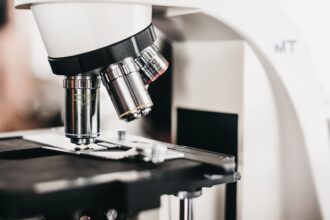
Scientific illustration showing DNA repair mechanisms being disrupted in cancer cells
New research shows UNI418 compound can disrupt cancer cell DNA repair mechanisms, making drug-resistant tumors vulnerable to treatment. Combined with PARP inhibitors, the approach helped previously resistant cancer cells respond to therapy. — Photo by Ivan S on Pexels (Pexels License)
SHARE
1 min read|121 words

New experimental research demonstrates that disrupting cancer cells’ DNA repair capacity can restore their vulnerability to treatment. The key finding: previously drug-resistant cancer cells became responsive to therapy when exposed to the UNI418 compound in combination with PARP inhibitors. This data-driven approach reveals the fundamental importance of DNA repair pathways in cancer cell survival and treatment evasion. Scientists identified that cancer cells rely heavily on sophisticated repair mechanisms to counteract the DNA damage inflicted by chemotherapy and radiation. By blocking these repair processes with UNI418, researchers effectively eliminated one of the primary mechanisms through which cancers develop resistance. This combination therapy strategy offers quantifiable evidence that targeting multiple cellular pathways simultaneously may overcome treatment resistance affecting millions of cancer patients worldwide.

Was this article helpful?

GMJ Brief · Key Finding

📰 Read the full article: Scientists Disrupt Cancer Cell DNA Repair to Overcome Drug Resistance →

Share This Article
Facebook LinkedIn Bluesky Copy Link Print
GMJ
ByProf. Giorgi Pkhakadze
Follow:
Prof. Giorgi Pkhakadze, MD, MPH, PhD, is Editor-in-Chief of the Georgian Medical Journal and Chair of the Public Health Institute of Georgia (PHIG). He is Professor and Head of the Department of Social and Behavioural Sciences at David Tvildiani Medical University, and Secretary/Treasurer of the UEMS Section of Public Health. ORCID: 0000-0001-7609-4515.

Submit Your Paper →

Georgia's peer-reviewed open-access medical journal. No APC until January 2027.
Submit Manuscript →
Cancer Survivors in Their Teens and Twenties Face Unique Long-Term Health Risks

Adolescents and young adults surviving cancer face distinct long-term complications and psychosocial…

Indiana Enacts Hospital Price Caps as States Challenge Healthcare Cost Growth

Indiana has enacted direct price caps on hospital charges to employers, becoming…

NHS Medical Training Act boosts UK doctor recruitment, data shows

NHS England data confirms the Medical Training Prioritisation Act has successfully increased…

Submit Your Paper to GMJ

No APC until January 2027.
Submit Manuscript →

You Might Also Like

Modern home interior with health-focused design modifications including improved ventilation and safe play areas

The Economics of Healthy Housing: Why Investing in Home Design Saves Healthcare Costs

By
Prof. Giorgi Pkhakadze
27/06/2026
Diagram showing collagen triple helix formation and the role of vitamin C in hydroxylation modification

13 Degrees: The Temperature Gap Explaining Why Collagen Supplements Often Fail

By
Prof. Giorgi Pkhakadze
31/07/2026
Pharmacy & PrescribingPolicy & SystemsPracticeQuality & Safety

FDA Alerts on Glass Particulates in Papaverine Injection Vials

By
Prof. Giorgi Pkhakadze
28/07/2026

🚨 CDC Activates Emergency Operations Center for New World Screwworm Response

By
Prof. Giorgi Pkhakadze
20/06/2026
Facebook Twitter Youtube Instagram
Company
  • Privacy Policy
  • Contact US
  • GMJ Journal
  • Submit Manuscript
  • Editorial Team
  • Register at GMJ
  • Terms of Use

Subscribe to GMJ News — Click here

Join Community
© 2026 Georgian Medical Journal (GMJ). Published by the Public Health Institute of Georgia (PHIG). All rights reserved.
Welcome Back!

Sign in to your account

Username or Email Address
Password

Lost your password?

Not a member? Sign Up