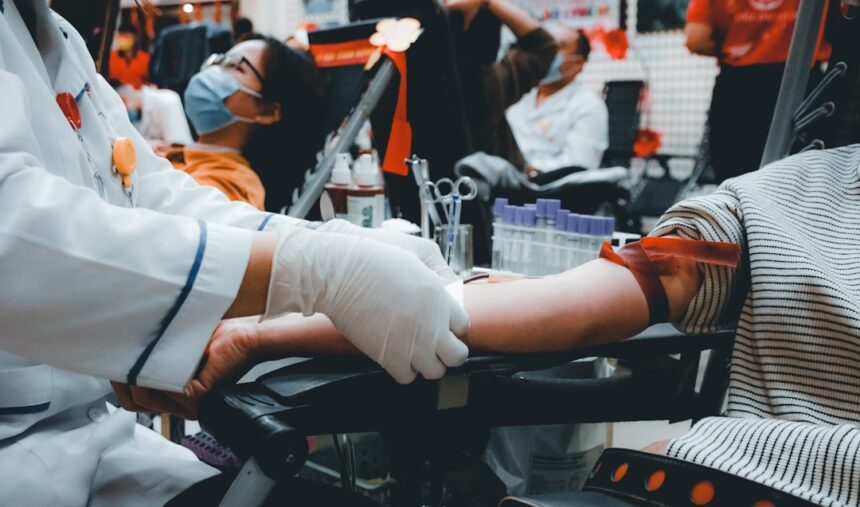
The World Health Organization has announced a historic achievement in global blood safety, with voluntary blood donations now exceeding 85% worldwide for the first time. This milestone reflects sustained progress in reducing transmission risks associated with paid or replacement donations, marking a significant advancement in public health infrastructure.
However, the WHO’s 2026 Global Status Report reveals that this progress masks persistent inequalities. High-income countries have achieved 95% voluntary donation rates, while low-income nations lag at 65%, leaving vulnerable populations without adequate access to safe blood products. The report identifies critical governance, financing, and regulatory gaps that continue to undermine blood system effectiveness, particularly in resource-limited settings.
Experts emphasize that while the 85% threshold represents genuine progress, closing the access gap between wealthy and low-income nations remains essential for achieving universal blood safety. Read the full article on GMJ Newsroom.
Was this article helpful?