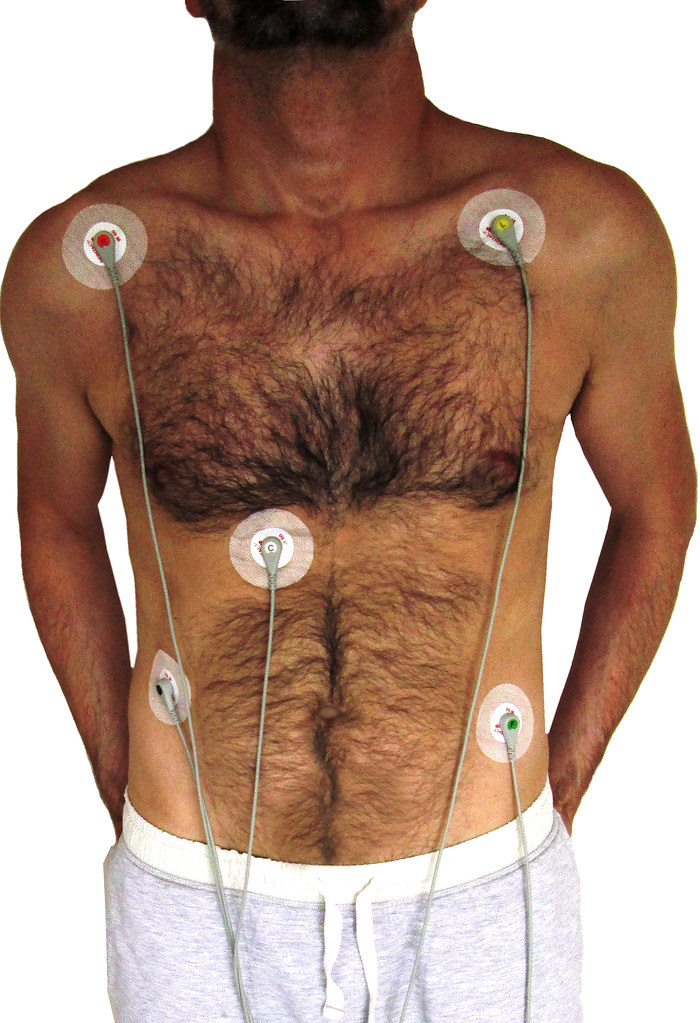
New research published in Circulation: Arrhythmia and Electrophysiology has identified a concerning cardiovascular risk associated with popular e-cigarette additives. Scientists discovered that synthetic cooling ingredients—compounds designed to mimic menthol sensations—trigger abnormal heart rhythms in laboratory models.
The study employed dual experimental approaches, testing cooling agents on both living mouse models and isolated human cardiac cells cultured in laboratory settings. Both systems demonstrated similar patterns of cardiac dysfunction when exposed to these compounds, suggesting a consistent physiological response.
These findings expand our understanding of vaping-related health risks beyond nicotine addiction. The research reveals that cooling agents disrupt normal electrical conduction in heart tissue, potentially increasing cardiovascular risk in users. As e-cigarette use continues globally, these results underscore the importance of comprehensive ingredient safety evaluation.
Read the full article on GMJ Newsroom.

Was this article helpful?