By using this site, you agree to the Privacy Policy and Terms of Use.
Accept
GMJ NewsGMJ NewsGMJ News
  • Latest News
    • GMJ Briefs
  • Podcast & Media
    • Podcast Episodes
    • GMJ Audio
    • GMJ Videos
  • Research Digest
    • New Studies
    • Georgian Research
    • Data & Numbers
  • Policy & Systems
    • Health Policy
    • Quality & Safety
    • Migration & Health
    • Global Health
  • Practice
    • Clinical Updates
    • Case Discussions
    • Pharmacy & Prescribing
    • Ingredients A-Z
  • Perspectives
    • Editorial
    • Explainers
    • Voices
    • Letters
  • GMJ Articles
    • Vol. 1 Issue 2 (2026)
    • Vol. 1 Issue 1 (2026)
    • Pre-Launch Articles (2025)
  • Read the Journal →
  • About GMJ News
Notification Show More
Font ResizerAa
GMJ NewsGMJ News
Font ResizerAa
  • Latest News
    • GMJ Briefs
  • Podcast & Media
    • Podcast Episodes
    • GMJ Audio
    • GMJ Videos
  • Research Digest
    • New Studies
    • Georgian Research
    • Data & Numbers
  • Policy & Systems
    • Health Policy
    • Quality & Safety
    • Migration & Health
    • Global Health
  • Practice
    • Clinical Updates
    • Case Discussions
    • Pharmacy & Prescribing
    • Ingredients A-Z
  • Perspectives
    • Editorial
    • Explainers
    • Voices
    • Letters
  • GMJ Articles
    • Vol. 1 Issue 2 (2026)
    • Vol. 1 Issue 1 (2026)
    • Pre-Launch Articles (2025)
  • Read the Journal →
  • About GMJ News
Follow US
GMJ News > GMJ Briefs > Laboratory Evidence: E-Cigarette Cooling Agents Increase Arrhythmia Risk

Laboratory Evidence: E-Cigarette Cooling Agents Increase Arrhythmia Risk

GMJ
Last updated: 14/07/2026 22:43
By
Prof. Giorgi Pkhakadze
Share
1 Min Read
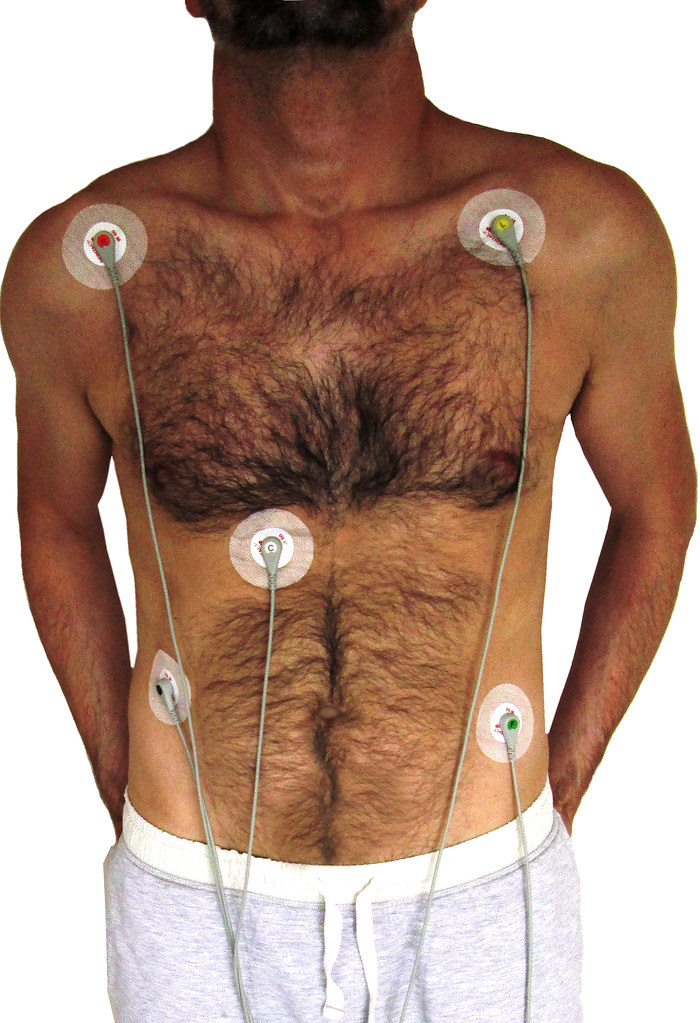
Scientific illustration of heart rhythm monitoring related to e-cigarette research
Laboratory study finds synthetic cooling ingredients in e-cigarettes cause abnormal heart rhythms in mice and human heart cells. Research published in Circulation raises safety concerns about vaping additives. — "Heart Monitor" by medipics1066 is marked with Public Domain Mark 1.0. To view the terms, visit https://creativecommons.org/publicdomain/mark/1.0/. (Public Domain Mark)
SHARE
1 min read|142 words

A recent laboratory investigation has quantified the cardiac effects of synthetic cooling compounds commonly found in e-cigarettes. The study, published in Circulation: Arrhythmia and Electrophysiology, measured increased cardiovascular risk markers in experimental models exposed to these additives.

Researchers documented abnormal heart rhythm patterns in both mouse subjects and human heart cells grown in vitro, providing consistent evidence across different biological systems. The cooling agents—synthetic compounds engineered to produce menthol-like sensations without natural menthol—disrupted normal electrical conduction pathways essential for regular cardiac function.

These measurable changes in heart rhythm represent a significant finding in vaping safety research. The dual-model approach strengthens confidence in the results, suggesting that the effects observed are biologically reproducible and potentially relevant to human users. As regulatory bodies evaluate e-cigarette ingredients, this data contributes essential evidence regarding ingredient safety profiles.

Read the full article on GMJ Newsroom.

Submit Your Paper
GMJ_Submit_Banner

Was this article helpful?

GMJ Brief · Key Finding

📰 Read the full article: E-cigarette cooling ingredients linked to heart rhythm disorders in lab study →

Share This Article
Facebook LinkedIn Bluesky Copy Link Print
GMJ
ByProf. Giorgi Pkhakadze
Follow:
Prof. Giorgi Pkhakadze, MD, MPH, PhD, is Editor-in-Chief of the Georgian Medical Journal and Chair of the Public Health Institute of Georgia (PHIG). He is Professor and Head of the Department of Social and Behavioural Sciences at David Tvildiani Medical University, and Secretary/Treasurer of the UEMS Section of Public Health. ORCID: 0000-0001-7609-4515.

Submit Your Paper →

Georgia's peer-reviewed open-access medical journal. No APC until January 2027.
Submit Manuscript →
The Optimal Height for Elite Soccer Players: What Sports Science Reveals

Elite soccer demonstrates position-specific height selection rather than universal stature advantage. Analysis…

International Survey Reveals Critical Gaps in Cardio-Oncology Training Despite Rising Clinical Demand

An international survey presented at ESC Cardio-Oncology 2026 has identified substantial deficiencies…

UK Guidance on Inadvertent Vaccination in Pregnancy: What Healthcare Providers Need to Know

UK health authorities have published guidance for healthcare professionals managing inadvertent live…

Submit Your Paper to GMJ

No APC until January 2027.
Submit Manuscript →

You Might Also Like

Scientific illustration showing gut-liver pathway disruption by alcohol consumption

Chronic Alcohol Reduces Gut Immune Defenses by 75 Percent

By
Prof. Giorgi Pkhakadze
07/06/2026

WHO Declares International Health Emergency Over Ebola Spread to Uganda

By
Prof. Giorgi Pkhakadze
31/05/2026

🚨 Green earthquake (Magnitude 6.6M, Depth:10km) in Central Mid-Atlantic Ridge 17/06/2026 18:56 UTC, [unknown].

By
Prof. Giorgi Pkhakadze
18/06/2026
Global HealthPolicy & Systems

WHO Declares International Emergency for Cross-Border Ebola Outbreak in DRC and Uganda

By
Prof. Giorgi Pkhakadze
31/05/2026
Facebook Twitter Youtube Instagram
Company
  • Privacy Policy
  • Contact US
  • GMJ Journal
  • Submit Manuscript
  • Editorial Team
  • Register at GMJ
  • Terms of Use

Subscribe to GMJ News — Click here

Join Community
© 2026 Georgian Medical Journal (GMJ). Published by the Public Health Institute of Georgia (PHIG). All rights reserved.
Welcome Back!

Sign in to your account

Username or Email Address
Password

Lost your password?

Not a member? Sign Up