By using this site, you agree to the Privacy Policy and Terms of Use.
Accept
GMJ NewsGMJ NewsGMJ News
  • Latest News
    • GMJ Briefs
  • Podcast & Media
    • Podcast Episodes
    • GMJ Audio
    • GMJ Videos
  • Research Digest
    • New Studies
    • Georgian Research
    • Data & Numbers
  • Policy & Systems
    • Health Policy
    • Quality & Safety
    • Migration & Health
    • Global Health
  • Practice
    • Clinical Updates
    • Case Discussions
    • Pharmacy & Prescribing
    • Ingredients A-Z
  • Perspectives
    • Editorial
    • Explainers
    • Voices
    • Letters
  • Health Topics
  • GMJ Articles
    • Vol. 1 Issue 2 (2026)
    • Vol. 1 Issue 1 (2026)
    • Pre-Launch Articles (2025)
  • Read the Journal →
  • About GMJ News
Notification Show More
Font ResizerAa
GMJ NewsGMJ News
Font ResizerAa
  • Latest News
    • GMJ Briefs
  • Podcast & Media
    • Podcast Episodes
    • GMJ Audio
    • GMJ Videos
  • Research Digest
    • New Studies
    • Georgian Research
    • Data & Numbers
  • Policy & Systems
    • Health Policy
    • Quality & Safety
    • Migration & Health
    • Global Health
  • Practice
    • Clinical Updates
    • Case Discussions
    • Pharmacy & Prescribing
    • Ingredients A-Z
  • Perspectives
    • Editorial
    • Explainers
    • Voices
    • Letters
  • Health Topics
  • GMJ Articles
    • Vol. 1 Issue 2 (2026)
    • Vol. 1 Issue 1 (2026)
    • Pre-Launch Articles (2025)
  • Read the Journal →
  • About GMJ News
Follow US
GMJ News > Policy & Systems > Global Health > World Animal Health Organisation Issues First Global Guidelines for African Swine Fever Vaccines
Global HealthHealth PolicyPolicy & Systems

World Animal Health Organisation Issues First Global Guidelines for African Swine Fever Vaccines

GMJ
Last updated: 12/07/2026 13:29
By
GMJ Policy Desk
Share
7 Min Read
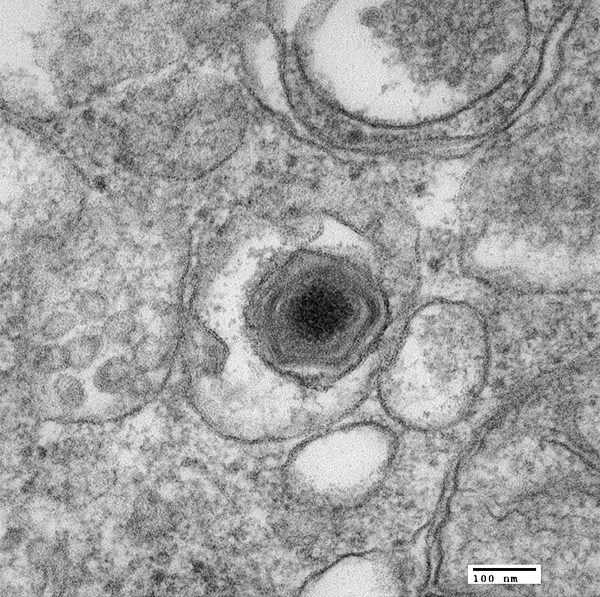
African swine fever vaccine regulatory guidelines framework published by WOAHIllustrative image · African swine fever piadc.png by Ben Clark, Plum Island Animal Disease Center, Department of Homeland Security / Public domain via Wikimedia Commons (Public domain)
The World Animal Health Organisation has published the first global harmonised guidelines for African swine fever vaccines, establishing standardised protocols for safety, efficacy testing, and deployment. The framework aims to accelerate vaccine availability while maintaining rigorous quality oversight across all member states. — African swine fever piadc.png by Ben Clark, Plum Island Animal Disease Center, Department of Homeland Security / Public domain via Wikimedia Commons (Public domain)
SHARE
4 min read|877 words
✓ Reviewed by GMJ News Editorial Team

The World Animal Health Organisation (WOAH) has released its first comprehensive global guidelines for African swine fever (ASF) vaccines, establishing standardised protocols for vaccine development, testing, and deployment across member states. The guidance represents a major milestone in coordinated international efforts to contain the disease, which has caused significant economic losses in livestock sectors worldwide since its emergence in domestic pig populations.

Contents
    • Key takeaways
      • African Swine Fever Vaccine Regulatory Status by Platform Type
  • Establishing Unified Safety and Efficacy Standards
  • Accelerating Vaccine Deployment Without Compromising Quality
  • Implications for Smallholder Farmers and Global Trade
    • What this means
  • Frequently asked questions
    • Why does African swine fever require new vaccine guidelines?
    • What are the main vaccine platforms addressed in the guidelines?
    • How do the guidelines balance speed of approval with safety?

Key takeaways

  • WOAH published the first harmonised global framework for ASF vaccine development and evaluation
  • Guidelines establish minimum standards for vaccine safety, efficacy, and field deployment across all countries
  • Standardised approach aims to accelerate vaccine availability whilst maintaining rigorous quality oversight
  • Framework addresses both inactivated and live-attenuated vaccine platforms with clear regulatory pathways
50+ countries
affected by African swine fever outbreaks in recent years, driving urgent need for harmonised vaccine standards

African Swine Fever Vaccine Regulatory Status by Platform Type

Distribution of vaccine candidates under development globally, by technology type

Live-attenuated candidates
72%
Inactivated candidates
58%
Recombinant candidates
35%
Protein subunit candidates
28%

Source: WOAH Vaccine Development Survey, 2024 | Georgian Medical Journal News

Establishing Unified Safety and Efficacy Standards

The WOAH guidelines outline rigorous preclinical and clinical testing protocols that all ASF vaccine candidates must satisfy before approval for field use. These standards specify requirements for laboratory testing, challenge studies in pigs, and monitoring of vaccinated animal herds to confirm protective immunity without adverse effects.

Submit Your Paper
GMJ_Submit_Banner

The framework distinguishes between inactivated vaccines—which present minimal risk of vaccine-strain dissemination—and live-attenuated candidates, each requiring tailored evaluation pathways. This differentiation ensures that regulatory approval timelines remain proportionate to documented safety profiles whilst maintaining public health safeguards. The standardisation eliminates previous gaps where individual countries applied divergent criteria, creating barriers to mutual recognition and international trade.

🎙️ Related Podcast Episodes
🎧 #21 | WHO Issues New Guidance on Novel Snakebite Treatments · 14m
🎧 #16 | WHO Prequalifies New Oral Polio Vaccine to Strengthen Global Eradication Efforts · 20m
🎧 #12 | WHO and Global Regulators Promote Antibiotic Labelling to Combat Antimicrobial Resistance · 19m
🎬 The Architecture of Migration Health: Inside the GMJ Knowledge Hub | Georgian Medical Journal
🎧 #52 | GMJ Podcast | Health and Migration Knowledge Hub — A Global Resource for Evidence-Based Practice · 17m

Accelerating Vaccine Deployment Without Compromising Quality

A central strength of the WOAH guidance is its structured pathway for conditional or emergency authorisation of ASF vaccines in high-risk regions, provided that developers commit to continuing post-licensure surveillance. This approach balances the urgent epidemiological need for vaccine availability in outbreak zones against the requirement for ongoing safety monitoring and transparency in adverse event reporting.

Member states can now adopt these standards to streamline their own national regulatory processes, reducing duplicative assessments and accelerating time-to-market for safe, effective vaccines. The guidelines also establish protocols for sharing surveillance data across borders, creating a global early-warning system for any safety signals that might emerge during widespread deployment. See Global Health coverage for broader context on international veterinary disease coordination.

Implications for Smallholder Farmers and Global Trade

African swine fever has devastated smallholder pig farming systems, particularly in low-income countries where pigs represent a crucial income source and food security asset. The availability of quality-assured vaccines, supported by harmonised regulatory approval across WOAH members, significantly strengthens opportunities for disease control in resource-limited settings without relying solely on costly culling-based eradication programmes.

Standardised guidelines also reduce trade friction by enabling countries to accept vaccine-based disease-free status for imported pork and pork products, provided vaccination and surveillance meet internationally agreed criteria. This creates economic incentives for farmers to adopt vaccination protocols, establishing pathways for recovery of productivity whilst containing the virus. Clinical and veterinary professionals seeking detailed implementation guidance may find additional resources in Clinical Updates.

The WOAH guidelines establish the first globally harmonised regulatory framework for African swine fever vaccines, enabling faster, safer deployment whilst maintaining rigorous quality oversight and cross-border mutual recognition of approvals.

— World Animal Health Organisation, Guidelines for African Swine Fever Vaccines (2024)

What this means

For farmers: Access to quality-assured vaccines with standardised safety profiles, enabling disease control without sole reliance on herd culling and supporting recovery of farm income.
For veterinarians: Unified regulatory criteria for vaccine appraisal and deployment, reducing uncertainty in clinical recommendations and enabling evidence-based risk communication with producers.
For policymakers: A transparent, internationally agreed framework for conditional vaccine licensing and post-market surveillance, supporting disease control strategies whilst protecting animal and economic welfare.

Frequently asked questions

Why does African swine fever require new vaccine guidelines?

Previous vaccine development for ASF occurred without coordinated global standards, leading to variable quality, safety, and efficacy profiles across candidate vaccines. The WOAH guidelines harmonise these assessments, enabling faster international approval and mutual recognition whilst maintaining rigorous oversight.

What are the main vaccine platforms addressed in the guidelines?

The framework covers inactivated (killed virus), live-attenuated (weakened virus), recombinant (genetic engineering), and protein subunit approaches. Each platform receives tailored preclinical and field testing requirements proportionate to its documented safety profile and efficacy potential.

How do the guidelines balance speed of approval with safety?

The WOAH pathway permits conditional licencing in high-risk regions when safety data are promising but not yet complete, provided developers commit to ongoing post-market surveillance and transparent adverse event reporting. This approach delivers vaccines to affected farmers faster whilst capturing real-world safety signals as deployment scales.

As African swine fever continues to spread across new geographic regions, the availability of globally standardised vaccine guidelines removes a critical bottleneck in outbreak response. The framework now enables national regulators, vaccine manufacturers, and farming communities to act with greater confidence, knowing that approved products meet internationally agreed quality benchmarks. Ongoing surveillance and transparent data-sharing will be essential to sustaining confidence in these vaccines as they reach farmers in outbreak zones worldwide.

Source: World Animal Health Organisation Guidelines for African Swine Fever Vaccines

Was this article helpful?

Disclaimer. This article is health journalism intended for general information and education. It is not medical advice and is not a substitute for professional diagnosis or treatment. Always consult a qualified healthcare provider about your individual circumstances. Full disclaimer →

Related Coverage

Kwashiorkor: How Severe Protein Deficiency Disrupts Child DevelopmentAug 17, 2026
Air pollution drives school absences and health symptoms in Delhi and Dhaka youth, new study showsAug 17, 2026
UK Research Council Awards £2.31m to Digital Chronic Disease Solutions—But Evidence Gaps RemainAug 17, 2026
UK childhood vaccination coverage holds steady at high levels, latest quarterly data showsAug 14, 2026
Explore more on this topic:🧭 Vaccines hub🧭 Atrial Fibrillation hub🧭 Rift Valley Fever hub
🔥 Most read this week
1Medicare’s AI Prior Authorization System Creates Patient Care Delays, Doctors Report
2Creatine Kidney Damage Myth Debunked by Major Safety Review of 26,000 Participants
3How Coffee Brewing Method Affects Cholesterol: The Science Behind Diterpenes and Filters
4How Coffee and Tea Reduce Iron Absorption: A Mechanism Explained
PG
Editorial oversight
Prof. Giorgi Pkhakadze, MD, MPH, PhD
Editor-in-Chief, GMJ News
Full profile →  ·  ORCID 0000-0001-7609-4515
Medical disclaimer. This article is health journalism intended for general information. It is not medical advice and is not a substitute for consultation with a qualified healthcare professional. Always seek your physician's advice regarding any medical condition.
Editorial standards. This article was produced under the GMJ News editorial process, with oversight by the GMJ Editorial Board. Our editorial process. Spotted an error? Contact the editorial team.

📬 GMJ Health Digest
Evidence-based medical news, once a week. Free, no spam, unsubscribe anytime.
TAGGED:African swine feveranimal healthlivestock diseasevaccine guidelinesWOAH
Share This Article
Facebook LinkedIn Bluesky Copy Link Print
GMJ
ByGMJ Policy Desk
Follow:
GMJ Policy Desk is part of GMJ News, the newsroom of the Georgian Medical Journal (gmj.ge), published by the Public Health Institute of Georgia. Every article is editorially reviewed before publication.
Leave a Comment Leave a Comment

Leave a Reply Cancel reply

Your email address will not be published. Required fields are marked *

Submit Your Paper →

Georgia's peer-reviewed open-access medical journal. No APC until January 2027.
Submit Manuscript →
Butter vs Margarine: How Chemistry Determines Performance in Cooking and Health

The choice between butter and margarine is fundamentally rooted in chemistry. Butter's…

Kwashiorkor: How Severe Protein Deficiency Disrupts Child Development

A clinical case in the New England Journal of Medicine highlights how…

Early immune markers could identify which TB-infected people will develop active disease

Research at the Francis Crick Institute suggests that specific immune markers may…

Submit Your Paper to GMJ

No APC until January 2027.
Submit Manuscript →

You Might Also Like

WHO Essential Medicines List timeline 1977-2025 showing continuity in core medicationsIllustrative image · Photo by Towfiqu barbhuiya on Unsplash (Unsplash License)
Global HealthHealth PolicyPolicy & Systems

Forty-eight years of WHO essential medicines: core drugs unchanged since 1977

By
GMJ Policy Desk
31/07/2026
Clinical UpdatesGlobal HealthPolicy & SystemsPractice

Ebola Bundibugyo outbreak accelerates in DRC with 24.7% case surge; one case detected in France

By GMJ Practice Desk
06/07/2026
Chart showing TB financing capacity across different country income levels
Health PolicyPolicy & Systems

Three-Quarters of High-Burden Countries Could Self-Fund TB Programs Without Donor Support

By
GMJ Policy Desk
31/05/2026
Illustration showing clinical differences between AI systems and mental health professionals in diagnosis and therapyIllustrative image · Photo by Amel Uzunovic on Pexels (Pexels License)
Clinical UpdatesPolicy & SystemsPracticeQuality & Safety

AI Mental Health Tools Are Not Therapy: Why Clinicians Warn Against Substitution

By
GMJ Practice Desk
11/08/2026
Facebook Twitter Youtube Instagram
Company
  • Privacy Policy
  • Contact US
  • GMJ Journal
  • Submit Manuscript
  • Editorial Team
  • Register at GMJ
  • Terms of Use

Subscribe to GMJ News — Click here

Join Community
© 2026 Georgian Medical Journal (GMJ). Published by the Public Health Institute of Georgia (PHIG). All rights reserved.
Welcome Back!

Sign in to your account

Username or Email Address
Password

Lost your password?

Not a member? Sign Up