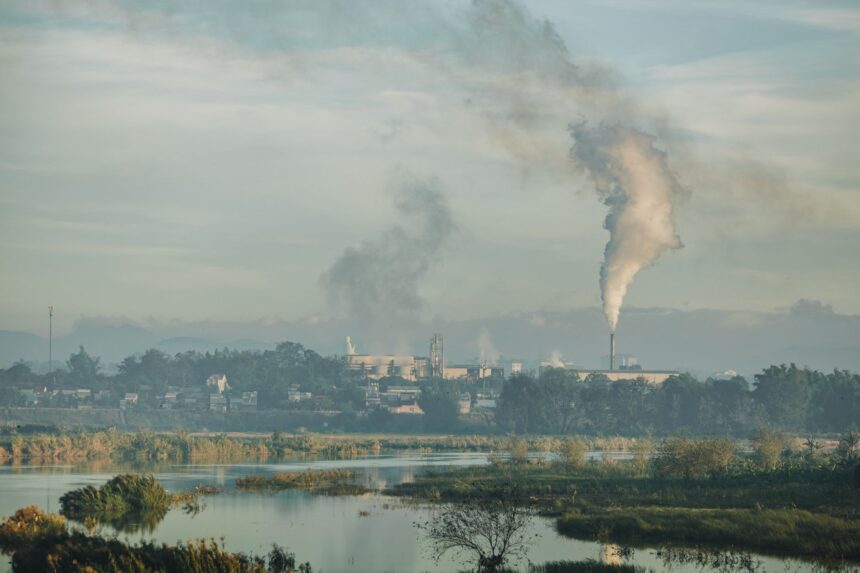
Healthcare professionals and policymakers across Southeast Asia must understand a critical environmental health nexus: land use changes are directly driving air pollution mortality in their regions. A new Lancet Planetary Health study identifies forest degradation and deforestation as the primary mechanisms causing atmospheric pollutant accumulation, with cascading effects on population health outcomes.
The practical implication is clear: strategic land management represents an evidence-based public health intervention. By implementing coordinated policies that preserve forests and limit conversion to agricultural or urban uses, Southeast Asian nations can simultaneously prevent thousands of annual deaths and support sustainable economic development.
For clinicians, this research highlights the environmental determinants underlying respiratory and cardiovascular disease in their patient populations. Understanding these upstream drivers enables healthcare systems to advocate effectively for environmental policy changes that protect community health at scale.
Read the full article on GMJ Newsroom.

Was this article helpful?