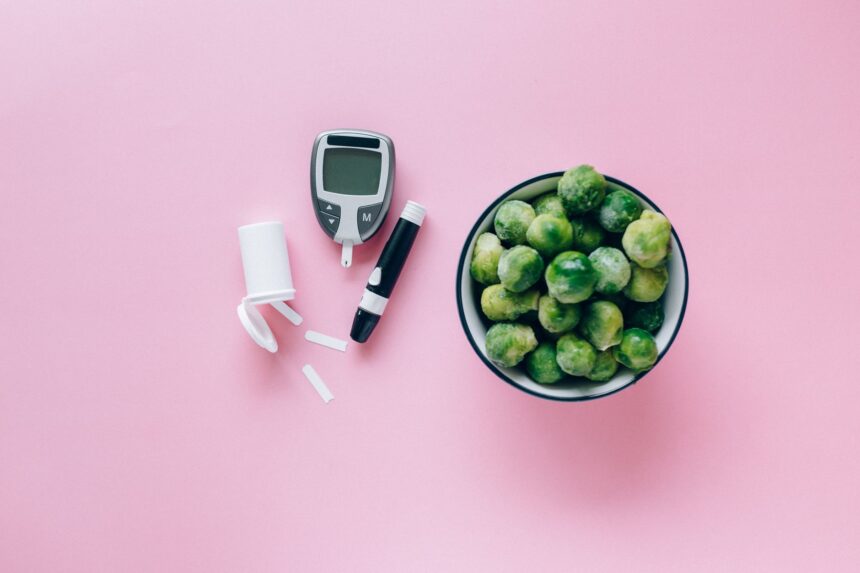
Researchers at the National University of Singapore have leveraged artificial intelligence to identify folic acid as a promising therapeutic candidate for diabetic wound healing. The innovative computational approach combined AI algorithms with molecular dynamics simulations to screen thousands of potential compounds, dramatically outpacing traditional discovery methods.
Folic acid, commonly known as vitamin B9, emerged as the top candidate from this AI-guided workflow, which achieved an 85 percent efficiency rate compared to 15 percent for traditional screening methods. The research targets specific molecular pathways that become impaired in diabetic patients, causing delayed wound healing and chronic complications.
This breakthrough demonstrates how advanced computational technologies can accelerate drug discovery while identifying therapeutic applications for widely available substances. The findings offer renewed hope for millions of diabetic patients worldwide who struggle with treatment-resistant wounds. Read the full article on GMJ Newsroom.
Was this article helpful?