By using this site, you agree to the Privacy Policy and Terms of Use.
Accept
GMJ NewsGMJ NewsGMJ News
  • Latest News
    • GMJ Briefs
  • Podcast & Media
    • Podcast Episodes
    • GMJ Audio
    • GMJ Videos
  • Research Digest
    • New Studies
    • Georgian Research
    • Data & Numbers
  • Policy & Systems
    • Health Policy
    • Quality & Safety
    • Migration & Health
    • Global Health
  • Practice
    • Clinical Updates
    • Case Discussions
    • Pharmacy & Prescribing
    • Ingredients A-Z
  • Perspectives
    • Editorial
    • Explainers
    • Voices
    • Letters
  • GMJ Articles
    • Vol. 1 Issue 2 (2026)
    • Vol. 1 Issue 1 (2026)
    • Pre-Launch Articles (2025)
  • Read the Journal →
  • About GMJ News
Notification Show More
Font ResizerAa
GMJ NewsGMJ News
Font ResizerAa
  • Latest News
    • GMJ Briefs
  • Podcast & Media
    • Podcast Episodes
    • GMJ Audio
    • GMJ Videos
  • Research Digest
    • New Studies
    • Georgian Research
    • Data & Numbers
  • Policy & Systems
    • Health Policy
    • Quality & Safety
    • Migration & Health
    • Global Health
  • Practice
    • Clinical Updates
    • Case Discussions
    • Pharmacy & Prescribing
    • Ingredients A-Z
  • Perspectives
    • Editorial
    • Explainers
    • Voices
    • Letters
  • GMJ Articles
    • Vol. 1 Issue 2 (2026)
    • Vol. 1 Issue 1 (2026)
    • Pre-Launch Articles (2025)
  • Read the Journal →
  • About GMJ News
Follow US
GMJ News > GMJ Briefs > Weight Regain After GLP-1 Discontinuation: What the Data Reveals

Weight Regain After GLP-1 Discontinuation: What the Data Reveals

GMJ
Last updated: 23/07/2026 19:52
By
Prof. Giorgi Pkhakadze
Share
1 Min Read
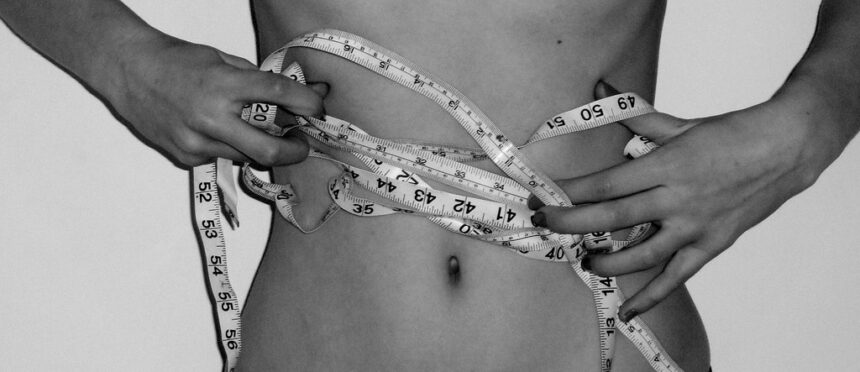
Comprehensive obesity management framework showing medication as one component alongside behavioral, nutritional, and psychological interventions
GLP-1 medications like semaglutide and tirzepatide have transformed obesity treatment, yet leading specialists warn that medication alone is insufficient. Sustainable obesity care requires integrated behavioral, nutritional, and psychological interventions. — "Body Image. The subjective concept of one's physical appearance based on self-observation and the reactions of others." by Charlotte Astrid is licensed under CC BY 2.0. To view a copy of this license, visit https://creativecommons.org/licenses/by/2.0/. (CC BY 2.0)
SHARE
1 min read|113 words

Clinical evidence reveals a sobering reality: 60–70% of weight lost during GLP-1 therapy is regained within one year of medication discontinuation. This substantial weight rebound underscores a critical gap in current obesity treatment paradigms. While GLP-1 receptor agonists effectively suppress appetite and promote weight loss during active treatment, their discontinuation exposes the absence of sustained behavioral and lifestyle modifications. This finding challenges the notion that pharmacotherapy alone can achieve durable obesity management. The data compellingly demonstrates that obesity treatment must incorporate sustained multimodal intervention—combining medication with ongoing behavioral support, nutritional counseling, and systemic healthcare coordination. Without addressing the underlying drivers of weight gain and lifestyle patterns, even successful pharmacological interventions remain incomplete solutions.

Was this article helpful?
GMJ Brief · Key Finding

📰 Read the full article: Beyond GLP-1 drugs: Why obesity care requires more than medication →

Related reference
  • Obesity · Condition
Share This Article
Facebook LinkedIn Bluesky Copy Link Print
GMJ
ByProf. Giorgi Pkhakadze
Follow:
Prof. Giorgi Pkhakadze, MD, MPH, PhD, is Editor-in-Chief of the Georgian Medical Journal and Chair of the Public Health Institute of Georgia (PHIG). He is Professor and Head of the Department of Social and Behavioural Sciences at David Tvildiani Medical University, and Secretary/Treasurer of the UEMS Section of Public Health. ORCID: 0000-0001-7609-4515.

Submit Your Paper →

Georgia's peer-reviewed open-access medical journal. No APC until January 2027.
Submit Manuscript →
Evidence Review: Five Health Behaviours Reshaping 2025 Clinical Practice

Real-world studies and trials in 2025 reveal that timing and context shape…

L-Theanine Improves Sleep Quality Without Drowsiness, Systematic Review Finds

A systematic review of 13 randomised trials found that L-theanine supplementation at…

Meta-analysis reveals shared neurochemical signature across anxiety disorders

A meta-analysis of 25 brain imaging studies has identified a consistent neurochemical…

Submit Your Paper to GMJ

No APC until January 2027.
Submit Manuscript →

You Might Also Like

Father and teenager having a conversation about relationships and communication

Fathers Step Into Sensitive Conversations: How Collaborative Parenting Strengthens Teen Health

By
Prof. Giorgi Pkhakadze
03/07/2026
Grandparent and grandchild having meaningful conversation outdoors

Beyond Parental Care: How Grandparents Fill Critical Gaps in Youth Mental Health Support

By
Prof. Giorgi Pkhakadze
06/07/2026
Portrait of Eric Edwards, pioneering British urologist and kidney transplant surgeon

The Edwards Legacy: What His Career Teaches Modern Transplant Medicine

By
Prof. Giorgi Pkhakadze
12/07/2026
Medical facility in Lebanon showing impact of healthcare disruptions during conflict

Multiple Lebanese Healthcare Facilities Under Attack, Vulnerable Populations Most Affected

By
Prof. Giorgi Pkhakadze
17/06/2026
Facebook Twitter Youtube Instagram
Company
  • Privacy Policy
  • Contact US
  • GMJ Journal
  • Submit Manuscript
  • Editorial Team
  • Register at GMJ
  • Terms of Use

Subscribe to GMJ News — Click here

Join Community
© 2026 Georgian Medical Journal (GMJ). Published by the Public Health Institute of Georgia (PHIG). All rights reserved.
Welcome Back!

Sign in to your account

Username or Email Address
Password

Lost your password?

Not a member? Sign Up