By using this site, you agree to the Privacy Policy and Terms of Use.
Accept
GMJ NewsGMJ NewsGMJ News
  • Latest News
    • GMJ Briefs
  • Podcast & Media
    • Podcast Episodes
    • GMJ Audio
    • GMJ Videos
  • Research Digest
    • New Studies
    • Georgian Research
    • Data & Numbers
  • Policy & Systems
    • Health Policy
    • Quality & Safety
    • Migration & Health
    • Global Health
  • Practice
    • Clinical Updates
    • Case Discussions
    • Pharmacy & Prescribing
    • Ingredients A-Z
  • Perspectives
    • Editorial
    • Explainers
    • Voices
    • Letters
  • GMJ Articles
    • Vol. 1 Issue 2 (2026)
    • Vol. 1 Issue 1 (2026)
    • Pre-Launch Articles (2025)
  • Read the Journal →
  • About GMJ News
Notification Show More
Font ResizerAa
GMJ NewsGMJ News
Font ResizerAa
  • Latest News
    • GMJ Briefs
  • Podcast & Media
    • Podcast Episodes
    • GMJ Audio
    • GMJ Videos
  • Research Digest
    • New Studies
    • Georgian Research
    • Data & Numbers
  • Policy & Systems
    • Health Policy
    • Quality & Safety
    • Migration & Health
    • Global Health
  • Practice
    • Clinical Updates
    • Case Discussions
    • Pharmacy & Prescribing
    • Ingredients A-Z
  • Perspectives
    • Editorial
    • Explainers
    • Voices
    • Letters
  • GMJ Articles
    • Vol. 1 Issue 2 (2026)
    • Vol. 1 Issue 1 (2026)
    • Pre-Launch Articles (2025)
  • Read the Journal →
  • About GMJ News
Follow US
GMJ News > GMJ Briefs > What Clinicians Should Know: NF1 Pain Mechanisms Require New Treatment Strategies

What Clinicians Should Know: NF1 Pain Mechanisms Require New Treatment Strategies

GMJ
Last updated: 22/07/2026 05:07
By
Prof. Giorgi Pkhakadze
Share
1 Min Read
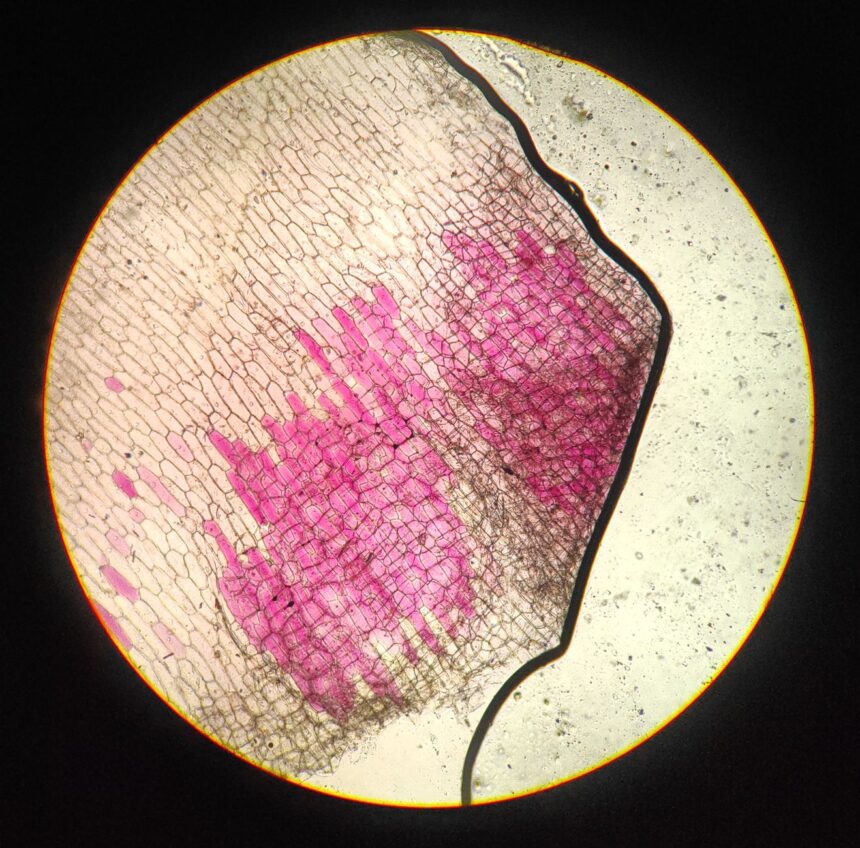
Medical illustration showing Schwann cells surrounding nerve fibers with GDNF protein signaling pathways
New research suggests NF1 chronic pain begins before tumors develop, driven by abnormal Schwann cells producing excess GDNF protein. This discovery could lead to targeted treatments addressing pain at its cellular origins. — Photo by Leo Freire on Pexels (Pexels License)
SHARE
1 min read|148 words

Recent findings from Cincinnati Children’s Hospital reveal three critical insights that should reshape clinical approaches to NF1-associated pain management. First, pain originates at the cellular level through altered Schwann cell function, not exclusively from tumor-related nerve compression. Second, Schwann cells in NF1 patients produce 285% excess GDNF protein compared to normal tissue, establishing a clear biochemical driver of pain hypersensitivity. Third, GDNF signaling pathways represent a distinct therapeutic target separate from conventional tumor-focused treatments.

For clinicians, this research suggests that managing NF1 pain may require interventions targeting abnormal Schwann cell signaling before tumors develop. Current treatment strategies emphasizing tumor surveillance and resection may miss critical early intervention opportunities when pain begins at the molecular level.

These discoveries enable development of precision medicine approaches that address root causes of NF1-associated pain, potentially improving outcomes for affected patients across the disease spectrum.

Read the full article on GMJ Newsroom.

Submit Your Paper
GMJ_Submit_Banner

Was this article helpful?

GMJ Brief · Takeaway

📰 Read the full article: NF1 pain may start before tumors develop, driven by abnormal Schwann cell signaling →

Share This Article
Facebook LinkedIn Bluesky Copy Link Print
GMJ
ByProf. Giorgi Pkhakadze
Follow:
Prof. Giorgi Pkhakadze, MD, MPH, PhD, is Editor-in-Chief of the Georgian Medical Journal and Chair of the Public Health Institute of Georgia (PHIG). He is Professor and Head of the Department of Social and Behavioural Sciences at David Tvildiani Medical University, and Secretary/Treasurer of the UEMS Section of Public Health. ORCID: 0000-0001-7609-4515.

Submit Your Paper →

Georgia's peer-reviewed open-access medical journal. No APC until January 2027.
Submit Manuscript →
Matcha vs Steeped Green Tea: Why Preparation Chemistry Matters More Than the Leaf

Matcha and steeped green tea contain the same plant but differ fundamentally…

Why women’s brains lose omega-3 protection: new insights from European Alzheimer’s study

A 2025 study in Alzheimer's & Dementia identifies a sex-specific mechanism: women…

Creatine in Children With Brain Injury: Evidence Contradicts Safety Fears

A 20-year body of controlled trials demonstrates that creatine supplementation is safe…

Submit Your Paper to GMJ

No APC until January 2027.
Submit Manuscript →

You Might Also Like

Scientific diagram showing PAH chemical formation during high temperature food cooking

Hidden Carcinogens: High-Heat Cooking Methods Release Harmful Compounds in Common Foods

By
Prof. Giorgi Pkhakadze
31/05/2026
Advanced PET imaging system providing real-time surgical guidance for osteosarcoma tumor resection

Three Game-Changing Advances in Osteosarcoma Surgery: What Clinicians Need to Know

By
Prof. Giorgi Pkhakadze
06/07/2026
Scientific illustration showing methionine's protective mechanism against inflammation through enhanced kidney filtration

Three Key Insights from Methionine Research: Implications for Inflammatory Disease Management

By
Prof. Giorgi Pkhakadze
03/07/2026
Microscopic view of uniform nanometer-scale membrane pores for water filtration

Nature-Inspired Nanomembrane Technology Poised to Transform Healthcare Water Treatment

By
Prof. Giorgi Pkhakadze
05/07/2026
Facebook Twitter Youtube Instagram
Company
  • Privacy Policy
  • Contact US
  • GMJ Journal
  • Submit Manuscript
  • Editorial Team
  • Register at GMJ
  • Terms of Use

Subscribe to GMJ News — Click here

Join Community
© 2026 Georgian Medical Journal (GMJ). Published by the Public Health Institute of Georgia (PHIG). All rights reserved.
Welcome Back!

Sign in to your account

Username or Email Address
Password

Lost your password?

Not a member? Sign Up