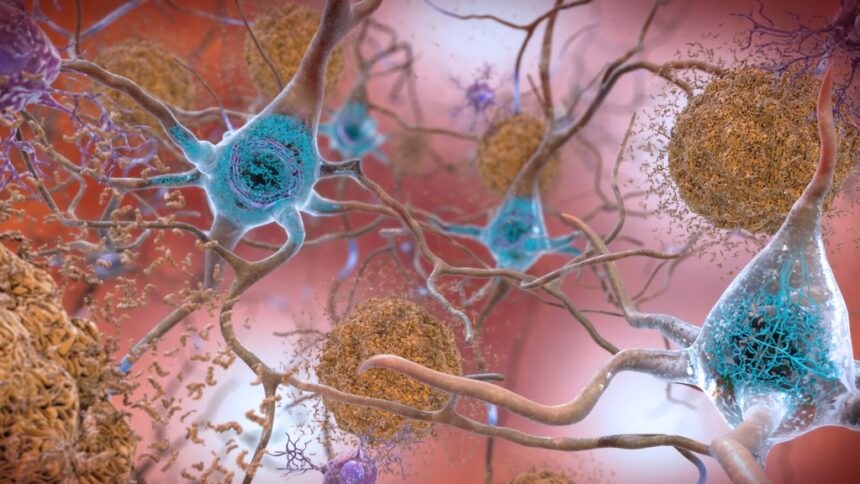
Three critical insights from recent research warrant immediate attention from clinicians and researchers developing Alzheimer’s therapeutics. First, amyloid beta functions as a pathogenic trigger rather than the primary cause of neurodegeneration, fundamentally reframing disease etiology. Second, tau dysregulation emerges as the critical pathological event that drives recognizable Alzheimer’s brain changes and cognitive decline.
Third, and most practically important: future treatment approaches must target both amyloid-tau interactions and their downstream effects on neuronal integrity, rather than pursuing single-protein strategies. This has direct implications for clinical trial design, drug development prioritization, and therapeutic resource allocation in neurology departments.
For patients and families, this shift suggests that next-generation Alzheimer’s therapies will likely involve combination approaches addressing multiple mechanistic pathways simultaneously. Current amyloid-focused treatments may prove most effective when combined with tau-stabilizing agents, optimizing neuronal protection.
Read the full article on GMJ Newsroom.

Was this article helpful?