By using this site, you agree to the Privacy Policy and Terms of Use.
Accept
GMJ NewsGMJ NewsGMJ News
  • Latest News
    • GMJ Briefs
  • Podcast & Media
    • Podcast Episodes
    • GMJ Audio
    • GMJ Videos
  • Research Digest
    • New Studies
    • Georgian Research
    • Data & Numbers
  • Policy & Systems
    • Health Policy
    • Quality & Safety
    • Migration & Health
    • Global Health
  • Practice
    • Clinical Updates
    • Case Discussions
    • Pharmacy & Prescribing
    • Ingredients A-Z
  • Perspectives
    • Editorial
    • Explainers
    • Voices
    • Letters
  • GMJ Articles
    • Vol. 1 Issue 2 (2026)
    • Vol. 1 Issue 1 (2026)
    • Pre-Launch Articles (2025)
  • Read the Journal →
  • About GMJ News
Notification Show More
Font ResizerAa
GMJ NewsGMJ News
Font ResizerAa
  • Latest News
    • GMJ Briefs
  • Podcast & Media
    • Podcast Episodes
    • GMJ Audio
    • GMJ Videos
  • Research Digest
    • New Studies
    • Georgian Research
    • Data & Numbers
  • Policy & Systems
    • Health Policy
    • Quality & Safety
    • Migration & Health
    • Global Health
  • Practice
    • Clinical Updates
    • Case Discussions
    • Pharmacy & Prescribing
    • Ingredients A-Z
  • Perspectives
    • Editorial
    • Explainers
    • Voices
    • Letters
  • GMJ Articles
    • Vol. 1 Issue 2 (2026)
    • Vol. 1 Issue 1 (2026)
    • Pre-Launch Articles (2025)
  • Read the Journal →
  • About GMJ News
Follow US
GMJ News > GMJ Briefs > One in Ten: Atopic Dermatitis Prevalence Reflects Growing Global Disease Burden

One in Ten: Atopic Dermatitis Prevalence Reflects Growing Global Disease Burden

GMJ
Last updated: 25/07/2026 01:52
By
Prof. Giorgi Pkhakadze
Share
1 Min Read
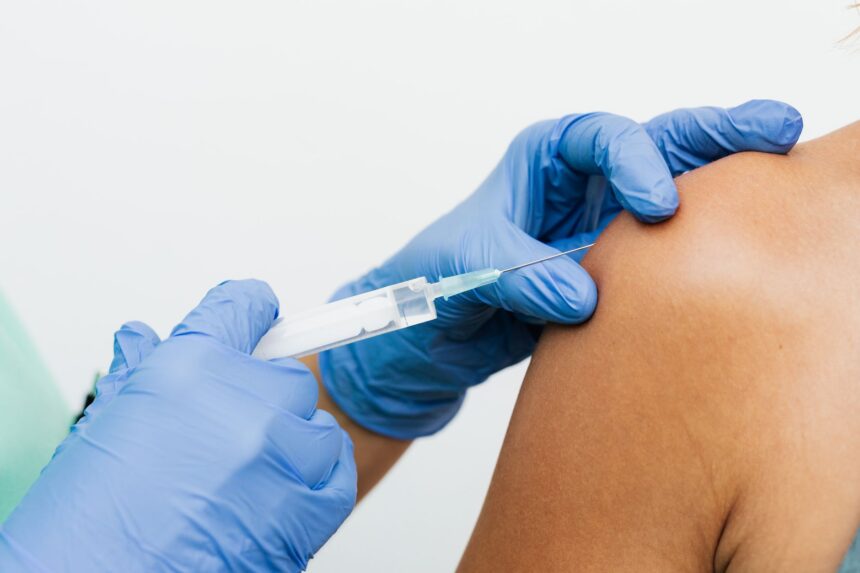
Microscopic view of inflamed skin tissue showing eczema-like changes characteristic of atopic dermatitis
Atopic dermatitis affects approximately 1 in 10 people globally, making it the most common inflammatory skin disease. A comprehensive Nature Reviews Disease Primers article outlines advances in understanding its pathophysiology, diagnosis, and management, emphasising the role of precision medicine and quality-of-life assessment in clinical care. — Photo by www.kaboompics.com on Pexels (Pexels License)
SHARE
1 min read|145 words

Recent epidemiological data reveals that atopic dermatitis affects approximately 1 in 10 people worldwide, establishing it as the most prevalent inflammatory skin disease globally. This substantial disease burden varies significantly by geography, with developed nations reporting prevalence rates of 10-15%, while prevalence in rural, low-income areas ranges from 3-5%. The rising trend in prevalence over recent decades underscores the need for robust public health strategies and clinical preparedness.

A comprehensive Nature Reviews Disease Primers article emphasizes that understanding this epidemiological landscape is essential for healthcare systems planning and resource allocation. The evidence-based review highlights the critical role of precision medicine and multidisciplinary care—integrating dermatology, immunology, and psychological support—in addressing this growing health challenge. Recognition of atopic dermatitis as a major public health concern has prompted renewed focus on optimizing long-term management strategies and improving access to advanced therapies.

Read the full article on GMJ Newsroom.

Was this article helpful?

GMJ Brief · Key Finding

📰 Read the full article: Atopic dermatitis affects 1 in 10 globally: what dermatologists and patients need to know →

Share This Article
Facebook LinkedIn Bluesky Copy Link Print
GMJ
ByProf. Giorgi Pkhakadze
Follow:
Prof. Giorgi Pkhakadze, MD, MPH, PhD, is Editor-in-Chief of the Georgian Medical Journal and Chair of the Public Health Institute of Georgia (PHIG). He is Professor and Head of the Department of Social and Behavioural Sciences at David Tvildiani Medical University, and Secretary/Treasurer of the UEMS Section of Public Health. ORCID: 0000-0001-7609-4515.

Submit Your Paper →

Georgia's peer-reviewed open-access medical journal. No APC until January 2027.
Submit Manuscript →
The B-Vitamin Methylation Triad: How B12, Folate, and B6 Work Together in Cardiovascular and Neurological Health

B12, folate, and B6 form an integrated metabolic system supporting DNA synthesis,…

How Polycystic Ovary Syndrome Shaped a Food Broadcaster’s Career Path

Television presenter Briony May Williams used stress-baking as a coping mechanism after…

Forty-eight years of WHO essential medicines: core drugs unchanged since 1977

A 48-year analysis of WHO's Essential Medicines List reveals a stable "core…

Submit Your Paper to GMJ

No APC until January 2027.
Submit Manuscript →

You Might Also Like

UK Health Security Agency logo and laboratory equipment for communicable disease testing

Centralised Laboratory Pathways Streamline Diagnostic Testing Across NHS Midlands Region

By
Prof. Giorgi Pkhakadze
29/07/2026
Children in climate-affected area receiving medical care from healthcare workers

Three-Quarters of Global Children Face Multiple Climate Health Threats Simultaneously

By
Prof. Giorgi Pkhakadze
05/07/2026

PHEIC Declaration: Ebola Cross-Border Transmission DRC-Uganda

By
Prof. Giorgi Pkhakadze
31/05/2026
Illustration of adaptive deep brain stimulation system with neural decoding for Parkinson's disease gait improvement

Real-Time Brain Signals Now Guide Deep Brain Stimulation in Parkinson’s Patients

By
Prof. Giorgi Pkhakadze
18/07/2026
Facebook Twitter Youtube Instagram
Company
  • Privacy Policy
  • Contact US
  • GMJ Journal
  • Submit Manuscript
  • Editorial Team
  • Register at GMJ
  • Terms of Use

Subscribe to GMJ News — Click here

Join Community
© 2026 Georgian Medical Journal (GMJ). Published by the Public Health Institute of Georgia (PHIG). All rights reserved.
Welcome Back!

Sign in to your account

Username or Email Address
Password

Lost your password?

Not a member? Sign Up