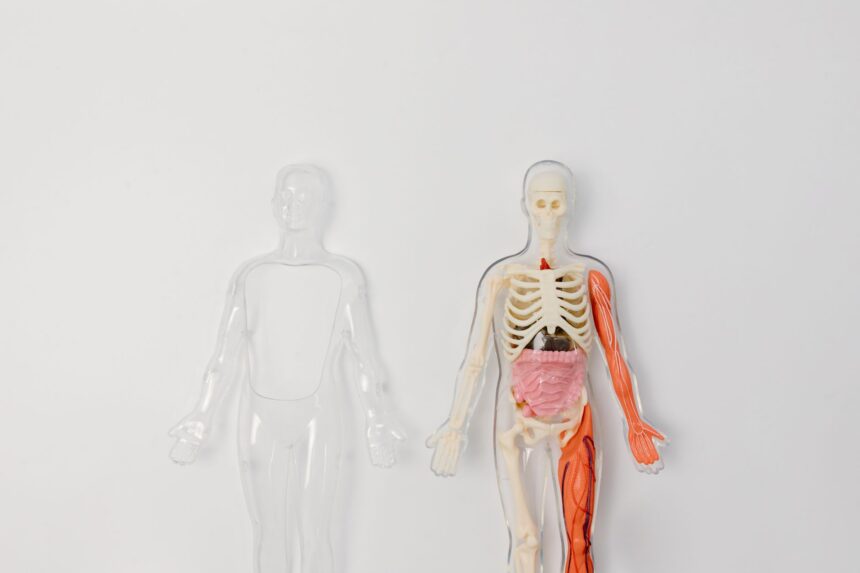
Melatonin functions as a potent antioxidant across three distinct tissues: the brain, gastrointestinal tract, and skeletal muscle. The hormone’s protective mechanisms in brain and gut health are well-established through robust clinical evidence, making these applications relatively well-understood in medical practice. Skeletal muscle, however, represents emerging territory. While animal studies demonstrate melatonin’s accumulation in muscle mitochondria and its capacity to preserve mitochondrial function and size, human clinical evidence in this domain remains preliminary. This disparity highlights a critical research gap: the mechanisms identified in laboratory models have not yet been validated in human populations through rigorous clinical trials. Understanding melatonin’s full protective potential in muscle tissue requires targeted human studies before therapeutic recommendations can be established.
Was this article helpful?