By using this site, you agree to the Privacy Policy and Terms of Use.
Accept
GMJ NewsGMJ NewsGMJ News
  • Latest News
    • GMJ Briefs
  • Podcast & Media
    • Podcast Episodes
    • GMJ Audio
    • GMJ Videos
  • Research Digest
    • New Studies
    • Georgian Research
    • Data & Numbers
  • Policy & Systems
    • Health Policy
    • Quality & Safety
    • Migration & Health
    • Global Health
  • Practice
    • Clinical Updates
    • Case Discussions
    • Pharmacy & Prescribing
    • Ingredients A-Z
  • Perspectives
    • Editorial
    • Explainers
    • Voices
    • Letters
  • Health Topics
  • GMJ Articles
    • Vol. 1 Issue 2 (2026)
    • Vol. 1 Issue 1 (2026)
    • Pre-Launch Articles (2025)
  • Read the Journal →
  • About GMJ News
Notification Show More
Font ResizerAa
GMJ NewsGMJ News
Font ResizerAa
  • Latest News
    • GMJ Briefs
  • Podcast & Media
    • Podcast Episodes
    • GMJ Audio
    • GMJ Videos
  • Research Digest
    • New Studies
    • Georgian Research
    • Data & Numbers
  • Policy & Systems
    • Health Policy
    • Quality & Safety
    • Migration & Health
    • Global Health
  • Practice
    • Clinical Updates
    • Case Discussions
    • Pharmacy & Prescribing
    • Ingredients A-Z
  • Perspectives
    • Editorial
    • Explainers
    • Voices
    • Letters
  • Health Topics
  • GMJ Articles
    • Vol. 1 Issue 2 (2026)
    • Vol. 1 Issue 1 (2026)
    • Pre-Launch Articles (2025)
  • Read the Journal →
  • About GMJ News
Follow US
GMJ News > GMJ Briefs > New Data Shows Physical Decline Begins Earlier Than Expected

New Data Shows Physical Decline Begins Earlier Than Expected

GMJ
Last updated: 06/08/2026 17:30
By
Prof. Giorgi Pkhakadze
Share
1 Min Read
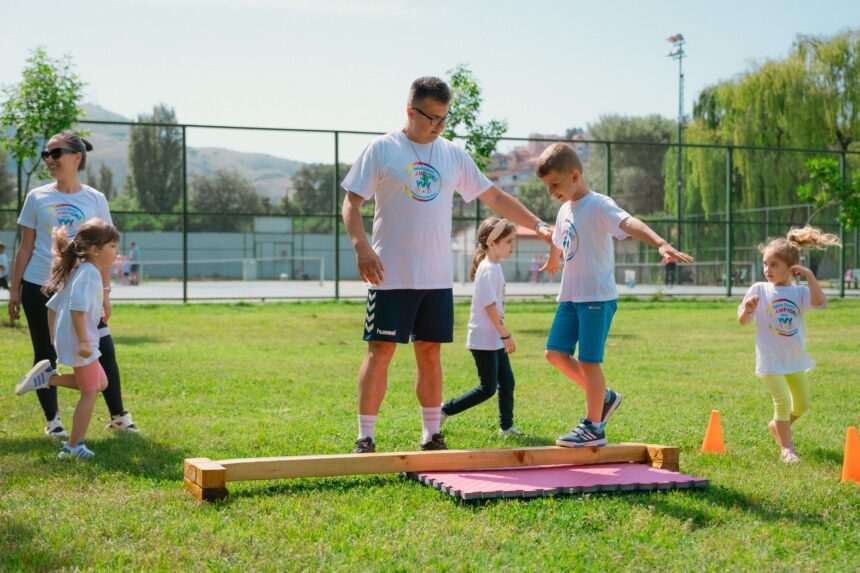
Chart showing physical capacity decline across lifespan from peak in 30s to age 65+
A 47-year longitudinal study reveals peak physical capacity is reached by the mid-30s and declines thereafter, but early fitness builds a physiological reserve that protects health in aging—and even late-life exercise can improve capacity by 5–10%. — Photo by Aleksandar Andreev on Pexels (Pexels License)
SHARE
1 min read|131 words

A comprehensive 47-year Swedish study documents the precise trajectory of physical fitness across the human lifespan. Peak physical capacity is achieved between the late teens and mid-30s, representing 100% functional capacity. By age 40, capacity declines to approximately 85%, and this deterioration accelerates further in subsequent decades, reaching 60–70% by age 65 and beyond.

These findings, published in the Journal of Cachexia, Sarcopenia and Muscle, demonstrate that age 40 represents a critical inflection point where aerobic fitness and muscle strength losses intensify. Notably, the research also reveals that late-starters who begin exercising later in life achieve 5–10% improvements in physical capacity, suggesting that intervention at any age yields measurable benefit.

The data underscore the importance of understanding when physiological decline accelerates and how proactive fitness strategies can mitigate age-related losses.

Read the full article on GMJ Newsroom.

Submit Your Paper
GMJ_Submit_Banner

Was this article helpful?

GMJ Brief · Key Finding

📰 Read the full article: Peak fitness in your 30s: why early exercise creates a lifelong health advantage →

Share This Article
Facebook LinkedIn Bluesky Copy Link Print
GMJ
ByProf. Giorgi Pkhakadze
Follow:
Prof. Giorgi Pkhakadze, MD, MPH, PhD, is Editor-in-Chief of the Georgian Medical Journal and Chair of the Public Health Institute of Georgia (PHIG). He is Professor and Head of the Department of Social and Behavioural Sciences at David Tvildiani Medical University, and Secretary/Treasurer of the UEMS Section of Public Health. ORCID: 0000-0001-7609-4515.

Submit Your Paper →

Georgia's peer-reviewed open-access medical journal. No APC until January 2027.
Submit Manuscript →
Brain’s Energy Demands: Why B Vitamins and Micronutrients Matter for Cognitive Function

The human brain consumes 20% of body energy in adults—rising to 50%…

Actin: The Molecular Engine Powering Cell Movement, Division, and Immune Defense

Actin, comprising ~6% of cellular protein, is a multifunctional molecule enabling muscle…

Resistance Training Protects Brain Health Through Vascular and Cognitive Pathways, New Evidence Shows

Resistance training influences brain health through endothelial function, neurotrophic signalling, blood-brain barrier…

Submit Your Paper to GMJ

No APC until January 2027.
Submit Manuscript →

You Might Also Like

Medical research laboratory with IBD disease mechanism illustrations

Study Confirms: Inflammatory Bowel Disease Is Not One Disease but Several

By
Prof. Giorgi Pkhakadze
09/07/2026
Brain scan images showing cognitive changes during perimenopause transition

42% of Perimenopausal Women Experience Significant Cognitive Decline Impacting Work

By
Prof. Giorgi Pkhakadze
03/07/2026
Scientific illustration showing air pollution particles affecting brain and lung health

The Four-Hour Window: How Quickly Air Pollution Affects Your Body

By
Prof. Giorgi Pkhakadze
10/06/2026
Bronchoscopic view showing black carbon deposits in bronchial airways from coal dust exposure

NEJM Case Highlights Occupational Lung Disease in Global Mining Workforce

By
Prof. Giorgi Pkhakadze
06/06/2026
Facebook Twitter Youtube Instagram
Company
  • Privacy Policy
  • Contact US
  • GMJ Journal
  • Submit Manuscript
  • Editorial Team
  • Register at GMJ
  • Terms of Use

Subscribe to GMJ News — Click here

Join Community
© 2026 Georgian Medical Journal (GMJ). Published by the Public Health Institute of Georgia (PHIG). All rights reserved.
Welcome Back!

Sign in to your account

Username or Email Address
Password

Lost your password?

Not a member? Sign Up