By using this site, you agree to the Privacy Policy and Terms of Use.
Accept
GMJ NewsGMJ NewsGMJ News
  • Latest News
    • GMJ Briefs
  • Podcast & Media
    • Podcast Episodes
    • GMJ Audio
    • GMJ Videos
  • Research Digest
    • New Studies
    • Georgian Research
    • Data & Numbers
  • Policy & Systems
    • Health Policy
    • Quality & Safety
    • Migration & Health
    • Global Health
  • Practice
    • Clinical Updates
    • Case Discussions
    • Pharmacy & Prescribing
    • Ingredients A-Z
  • Perspectives
    • Editorial
    • Explainers
    • Voices
    • Letters
  • Health Topics
  • GMJ Articles
    • Vol. 1 Issue 2 (2026)
    • Vol. 1 Issue 1 (2026)
    • Pre-Launch Articles (2025)
  • Read the Journal →
  • About GMJ News
Notification Show More
Font ResizerAa
GMJ NewsGMJ News
Font ResizerAa
  • Latest News
    • GMJ Briefs
  • Podcast & Media
    • Podcast Episodes
    • GMJ Audio
    • GMJ Videos
  • Research Digest
    • New Studies
    • Georgian Research
    • Data & Numbers
  • Policy & Systems
    • Health Policy
    • Quality & Safety
    • Migration & Health
    • Global Health
  • Practice
    • Clinical Updates
    • Case Discussions
    • Pharmacy & Prescribing
    • Ingredients A-Z
  • Perspectives
    • Editorial
    • Explainers
    • Voices
    • Letters
  • Health Topics
  • GMJ Articles
    • Vol. 1 Issue 2 (2026)
    • Vol. 1 Issue 1 (2026)
    • Pre-Launch Articles (2025)
  • Read the Journal →
  • About GMJ News
Follow US
GMJ News > GMJ Briefs > B Vitamins: The Metabolic Foundation for Brain Health and Cognitive Resilience

B Vitamins: The Metabolic Foundation for Brain Health and Cognitive Resilience

GMJ
Last updated: 31/07/2026 03:29
By
Prof. Giorgi Pkhakadze
Share
1 Min Read
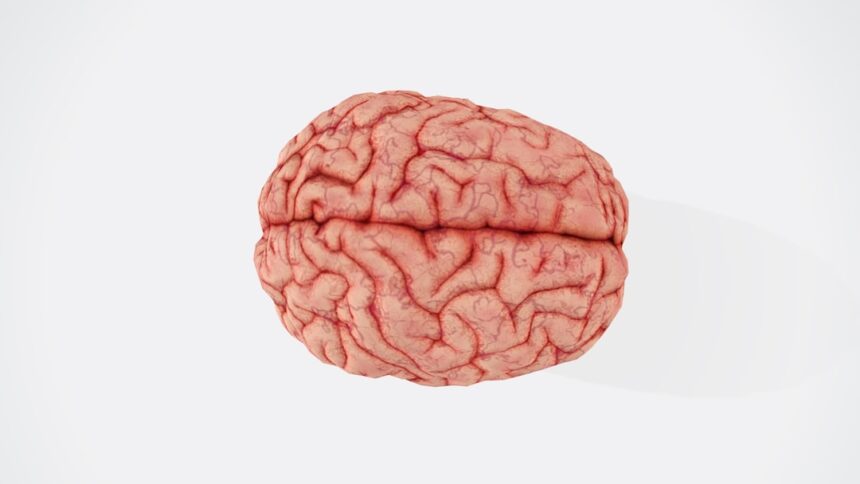
Illustration of B vitamins supporting brain metabolism, energy production, and neurotransmitter synthesis
B vitamins regulate homocysteine, fuel mitochondrial energy production, and synthesize mood-regulating neurotransmitters—three mechanisms critical for cognitive protection. Evidence shows that deficiencies in B6, B12, and folate accelerate brain atrophy and cognitive decline, with symptoms often reversible through supplementation. — Photo by BUDDHI Kumar SHRESTHA on Unsplash (Unsplash License)
SHARE
1 min read|148 words

The human brain operates as the body’s most metabolically demanding organ, consuming approximately 20% of total energy supply despite comprising only 2% of body weight. This exceptional energy demand depends critically on B vitamins—particularly B6, B12, and folate—which regulate three fundamental neurological processes: homocysteine metabolism, mitochondrial ATP production, and neurotransmitter synthesis.

Recent neuroscience evidence demonstrates that deficiencies in these micronutrients measurably accelerate cognitive decline and neurodegeneration. B vitamins prevent toxic homocysteine accumulation, which damages blood vessels and neurons; support mitochondrial energy production essential for sustained cognitive function; and enable synthesis of mood-regulating neurotransmitters including serotonin and dopamine. Importantly, many symptoms of B vitamin deficiency—including cognitive fog, fatigue, and memory impairment—are reversible through targeted supplementation.

For aging populations and those at risk of nutritional insufficiency, optimizing B vitamin status represents a evidence-based strategy for preserving long-term brain health and function.

Read the full article on GMJ Newsroom.

Submit Your Paper
GMJ_Submit_Banner

Was this article helpful?

GMJ Brief · Announcement

📰 Read the full article: How B Vitamins and Micronutrients Protect Brain Function: Evidence from Neuroscience →

Related reference
  • Vitamin D · Ingredient
  • Folate · Ingredient
Share This Article
Facebook LinkedIn Bluesky Copy Link Print
GMJ
ByProf. Giorgi Pkhakadze
Follow:
Prof. Giorgi Pkhakadze, MD, MPH, PhD, is Editor-in-Chief of the Georgian Medical Journal and Chair of the Public Health Institute of Georgia (PHIG). He is Professor and Head of the Department of Social and Behavioural Sciences at David Tvildiani Medical University, and Secretary/Treasurer of the UEMS Section of Public Health. ORCID: 0000-0001-7609-4515.

Submit Your Paper →

Georgia's peer-reviewed open-access medical journal. No APC until January 2027.
Submit Manuscript →
What makes prostate cancer aggressive? Biology, genetics, and clinical grading explained

Prostate cancer aggressiveness is determined by histological grade (Gleason score), genetic mutations…

UK childhood vaccination coverage holds steady at high levels, latest quarterly data shows

The UK's Cover of Vaccination Evaluated Rapidly (COVER) programme reports sustained high…

EMA Launches Email Notifications for Clinical Trial Information System

The European Medicines Agency has rolled out email notification subscriptions in CTIS,…

Submit Your Paper to GMJ

No APC until January 2027.
Submit Manuscript →

You Might Also Like

Occupational health worker wearing respiratory protective equipment during stone cutting

Key Finding: Engineered quartz surfaces linked to surge in silicosis cases among US workers

By
Prof. Giorgi Pkhakadze
26/07/2026
Medical illustration showing geographic map with lung transplant access indicators across US regions

Geographic Barriers to Lung Transplants Remain Despite System Overhaul

By
Prof. Giorgi Pkhakadze
07/06/2026
Healthcare workers and recovered Ebola patients at treatment facility in Democratic Republic of Congo

Ebola Survival Stories: How Early Intervention Is Changing Outbreak Outcomes in the DRC

By
Prof. Giorgi Pkhakadze
18/07/2026
Clinical trial concept showing shingles vaccination pathway to dementia prevention research

Two Major Expert Bodies Align on Shingles Vaccination as Top Dementia Prevention Priority

By
Prof. Giorgi Pkhakadze
26/07/2026
Facebook Twitter Youtube Instagram
Company
  • Privacy Policy
  • Contact US
  • GMJ Journal
  • Submit Manuscript
  • Editorial Team
  • Register at GMJ
  • Terms of Use

Subscribe to GMJ News — Click here

Join Community
© 2026 Georgian Medical Journal (GMJ). Published by the Public Health Institute of Georgia (PHIG). All rights reserved.
Welcome Back!

Sign in to your account

Username or Email Address
Password

Lost your password?

Not a member? Sign Up