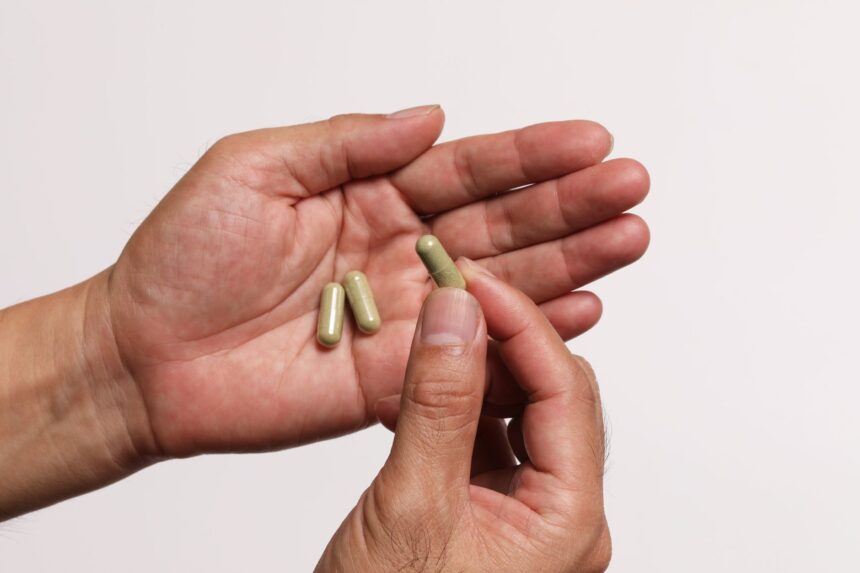
Commercial apigenin supplements typically contain 50 mg per capsule, yet the animal studies establishing the compound’s mechanisms used doses equivalent to 200–600 mg in humans when adjusted for metabolism and bioavailability. This 4- to 12-fold dosage gap raises a critical question: can the lower doses found in real-world supplements produce clinically meaningful effects? Compounding this uncertainty, no human study has ever measured the efficacy of isolated apigenin at any dose. A single human trial examined chamomile tea standardized for apigenin content and found partial anxiolytic benefit, but results cannot be extrapolated to commercial supplements with different formulations and concentrations. The dose mismatch illustrates a fundamental problem in supplement research: mechanistic evidence generated at higher doses does not validate efficacy claims for products containing substantially lower amounts.
Was this article helpful?