By using this site, you agree to the Privacy Policy and Terms of Use.
Accept
GMJ NewsGMJ NewsGMJ News
  • Latest News
    • GMJ Briefs
  • Podcast & Media
    • Podcast Episodes
    • GMJ Audio
    • GMJ Videos
  • Research Digest
    • New Studies
    • Georgian Research
    • Data & Numbers
  • Policy & Systems
    • Health Policy
    • Quality & Safety
    • Migration & Health
    • Global Health
  • Practice
    • Clinical Updates
    • Case Discussions
    • Pharmacy & Prescribing
    • Ingredients A-Z
  • Perspectives
    • Editorial
    • Explainers
    • Voices
    • Letters
  • GMJ Articles
    • Vol. 1 Issue 2 (2026)
    • Vol. 1 Issue 1 (2026)
    • Pre-Launch Articles (2025)
  • Read the Journal →
  • About GMJ News
Notification Show More
Font ResizerAa
GMJ NewsGMJ News
Font ResizerAa
  • Latest News
    • GMJ Briefs
  • Podcast & Media
    • Podcast Episodes
    • GMJ Audio
    • GMJ Videos
  • Research Digest
    • New Studies
    • Georgian Research
    • Data & Numbers
  • Policy & Systems
    • Health Policy
    • Quality & Safety
    • Migration & Health
    • Global Health
  • Practice
    • Clinical Updates
    • Case Discussions
    • Pharmacy & Prescribing
    • Ingredients A-Z
  • Perspectives
    • Editorial
    • Explainers
    • Voices
    • Letters
  • GMJ Articles
    • Vol. 1 Issue 2 (2026)
    • Vol. 1 Issue 1 (2026)
    • Pre-Launch Articles (2025)
  • Read the Journal →
  • About GMJ News
Follow US
GMJ News > Perspectives > Explainers > Apigenin Shows Promise in Lab Studies, But Human Evidence Remains Elusive
ExplainersNew StudiesPerspectivesResearch Digest

Apigenin Shows Promise in Lab Studies, But Human Evidence Remains Elusive

GMJ
Last updated: 12/07/2026 13:29
By
GMJ Perspectives Desk
Share
9 Min Read
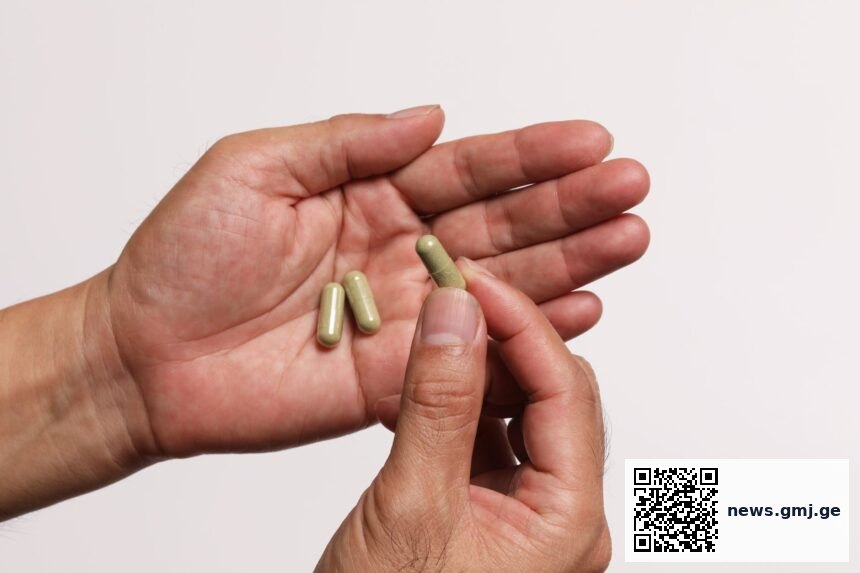
Infographic comparing apigenin doses in animal studies versus commercial supplementsIllustrative image · Photo by Nop Viwat on Pexels (Pexels License)
Apigenin, a plant compound featured in sleep and longevity supplements, has demonstrated activity at multiple cellular targets in laboratory studies over three decades. However, no human clinical trial has tested whether isolated apigenin supplements actually produce therapeutic effects at the 50 mg doses commonly consumed. — Photo by Nop Viwat on Pexels (Pexels License)
SHARE
6 min read|1,217 words
✓ Reviewed by Prof. Giorgi Pkhakadze, MD, MPH, PhD · ORCID 0000-0001-7609-4515

🟡 Preliminary Evidence

Contents
    • Key takeaways
  • Three decades of mechanism, zero human efficacy data
      • Apigenin Dose Gap: Laboratory Studies vs. Commercial Products
  • One human study with caveats
  • The mechanism-efficacy gap in supplement research
    • What this means
  • What evidence-based consumers should expect
  • Frequently asked questions
    • Does apigenin actually help with sleep?
    • Why is the dose so low in supplements if animal studies used much higher doses?
    • Is apigenin safe?

Apigenin, a naturally occurring flavonoid found in chamomile and other plants, has accumulated three decades of mechanistic evidence in laboratory and animal models, demonstrating activity at multiple cellular targets including GABA-A receptors, CD38 enzymes, and inflammatory pathways. However, no human clinical trial has yet measured whether apigenin supplements produce meaningful therapeutic effects in people at the doses commonly consumed, leaving a significant gap between bench science and clinical reality.

Key takeaways

  • Six confirmed molecular mechanisms demonstrate apigenin’s activity in cell and animal models across anxiety, inflammation, senescence, and neurodegeneration targets
  • Only one human study—examining chamomile tea standardized to apigenin—has shown partial anxiolytic benefit; no isolated apigenin human trial exists
  • Commercial supplements typically contain 50 mg per capsule, far below doses used in animal studies (200–600 mg equivalent in humans, before accounting for metabolism)
  • The evidence-to-practice gap reflects a broader challenge in supplement research: mechanistic promise does not guarantee clinical efficacy at real-world doses

Three decades of mechanism, zero human efficacy data

Apigenin has become a fixture in sleep formulas, longevity stacks, and NAD+ blends, marketed on the strength of its molecular targets. Research published in Planta Medica (1995) first documented binding to GABA-A receptors; subsequent studies catalogued activity against senescence markers, NLRP3 inflammasome activation, BACE1 (implicated in Alzheimer’s pathology), and cancer cell proliferation pathways. This mechanistic breadth is real and reproducible—but it exists almost entirely in controlled laboratory conditions.

The challenge is biological plausibility versus clinical translation. Animal models of aging and neuroinflammation have used oral apigenin doses that, when scaled to human equivalents, approximate 200–600 mg per person—without adjusting for first-pass hepatic metabolism, which typically reduces oral drug bioavailability. Most commercial apigenin capsules deliver 50 mg per dose. This 4-to-12-fold dosing gap raises a straightforward question: do the concentrations people actually ingest produce the cellular effects observed in laboratory experiments?

Submit Your Paper
GMJ_Submit_Banner

Apigenin Dose Gap: Laboratory Studies vs. Commercial Products

Equivalent human doses used in animal studies compared to typical supplement dosing, before accounting for first-pass metabolism

Animal studies (scaled equivalent)
200–600 mg
Commercial supplements
50 mg

Source: Supplement label review and pharmacokinetic scaling | Georgian Medical Journal News

🎙️ Related Podcast Episodes
🎧 #37 | GMJ Podcast | NAD⁺ Injections and “NAD Boosters” — Public Health Risks and Regulatory Implications · 20m
🎬 GMJ Video Series | Rare Case: Lung Cancer & Tuberculosis Coexistence
🎧 #54 | GMJ Podcast | The Blueprint of a Medical Journal: Designing an Open-Access Scientific Platform · 19m
🎧 #53 | GMJ Podcast | Palliative Care in Georgia — Health System Gaps, Access Barriers, and Policy Implications · 16m
🎧 #52 | GMJ Podcast | Health and Migration Knowledge Hub — A Global Resource for Evidence-Based Practice · 17m

One human study with caveats

The sole human evidence for anxiolytic benefit comes from research published in the Journal of Clinical Psychopharmacology (2009), which examined chamomile tea standardized to apigenin in patients with generalized anxiety disorder. The authors reported statistically significant improvement in anxiety scores—but this was chamomile extract, not isolated apigenin, and the apigenin content and bioavailability differed substantially from modern supplement products.

That single positive finding, limited to a proxy compound and a single symptom domain, now anchors marketing claims across sleep, longevity, and neurodegenerative disease categories. No randomized controlled trial has tested isolated apigenin for sleep, inflammation, NAD+ metabolism, or aging outcomes in humans. No pharmacokinetic study has measured whether capsule doses achieve meaningful tissue concentrations. No dose-response trial has established which dose, if any, correlates with clinical benefit.

Three decades of laboratory research show apigenin targets multiple cellular pathways implicated in aging and neuroinflammation. However, no human clinical trial has measured whether isolated apigenin supplements produce measurable therapeutic effects at commonly consumed doses.

— Mechanistic evidence review synthesis | Georgian Medical Journal News

The mechanism-efficacy gap in supplement research

Apigenin’s predicament reflects a systemic challenge in phytochemistry and supplement research: mechanistic plausibility does not guarantee clinical translation. Many natural compounds demonstrate activity in isolated cell systems or animal disease models that never translates to humans, either because doses are impractical, bioavailability is negligible, or the in vitro biology does not reflect whole-organism physiology. The flavonoid research literature is replete with examples: compounds with antioxidant power in test tubes but no measurable antioxidant effect in blood; molecules that reduce amyloid plaques in transgenic mice but fail in human Alzheimer’s trials.

Published studies on apigenin’s effects on CD38 (a target in NAD+ metabolism), senescence markers, and NLRP3 activation used concentrations and conditions that may not be achievable systemically with oral supplementation. Escande and colleagues, publishing in Diabetes (2013), demonstrated SIRT1 activation and metabolic improvements in rodent obesity models; however, the study neither measured human apigenin bioavailability nor translated findings to clinical outcomes. Similarly, research in Advanced Science (2025) documented senescence cell clearance in murine aging models—again, without human validation.

What this means

For patients: Apigenin supplements are not proven to improve sleep, cognition, or lifespan in humans. The anxiolytic effect suggested by one chamomile tea study may warrant investigation in controlled trials, but current evidence does not support the broad longevity and disease-prevention claims found in marketing. Individuals should not rely on apigenin formulas as a substitute for evidence-based anxiety or sleep treatments.
For clinicians: No apigenin product can be recommended on current evidence for any specific indication. Patients using apigenin-containing supplements should be counselled that efficacy is unproven and that marketed mechanisms (NAD+ enhancement, senescence clearance, amyloid reduction) lack human supporting data. Clinicians should distinguish between mechanistic interest and clinical evidence when discussing supplements.
For policymakers: Apigenin exemplifies the regulatory gap in supplement oversight: products making disease claims (anti-aging, cognitive enhancement, inflammation control) are permitted despite absent human clinical trials. Stronger pre-market efficacy requirements or mandatory post-market surveillance would illuminate which supplement mechanisms translate to human benefit and at what doses.

What evidence-based consumers should expect

The honest assessment is that apigenin remains a molecule of interest, not a molecule of proven utility in humans. Its mechanistic targets are real: GABA-A receptor modulation could plausibly affect anxiety; NLRP3 inhibition could theoretically reduce chronic inflammation; CD38 activity could influence NAD+ levels. But interest and evidence are not the same thing. The clinical question—does this supplement help real people at real doses?—remains unanswered. Until randomized controlled trials measure apigenin’s effects on biomarkers and clinical outcomes at doses achievable through supplementation, claims of anxiolytic, anti-inflammatory, or longevity benefit rest on cellular biology, not clinical translation. Consumers seeking evidence-based supplement guidance should demand human data before investing in apigenin formulas.

Frequently asked questions

Does apigenin actually help with sleep?

One human study found that chamomile tea (which contains apigenin) improved anxiety symptoms, which suggests a potential sleep benefit. However, no randomized trial has tested isolated apigenin’s effect on sleep quality, duration, or sleep architecture in humans. The anxiety finding is suggestive but does not prove sleep efficacy, and marketing claims far exceed available evidence.

Why is the dose so low in supplements if animal studies used much higher doses?

Commercial capsules typically contain 50 mg because this is cost-effective for manufacturers and fits standard supplement formats. Animal studies used doses equivalent to 200–600 mg in humans—which would be expensive, require multiple capsules, and has never been tested in a human trial. The mismatch between laboratory doses and commercial products suggests supplement efficacy studies should use realistic dosing strategies.

Is apigenin safe?

Apigenin is widely consumed in food (chamomile tea, parsley, celery) and carries no documented serious adverse events at supplement doses. Safety is likely not the limiting factor; efficacy and bioavailability are the unknowns. A substance can be safe without being clinically useful.

The supplement market will continue to package apigenin into longevity and sleep formulas, leveraging its real but unproven mechanisms. The scientific imperative is clear: rigorous human pharmacokinetic and efficacy trials should precede broad clinical claims. Until such evidence emerges, apigenin remains a laboratory promise rather than a clinical reality.

Source: Apigenin mechanistic review and supplement market analysis

Was this article helpful?

Disclaimer. This article is health journalism intended for general information and education. It is not medical advice and is not a substitute for professional diagnosis or treatment. Always consult a qualified healthcare provider about your individual circumstances. Full disclaimer →

Related Coverage

Light roast coffee retains highest chlorogenic acid levels, study showsJul 26, 2026
Zinc depletion in athletes: why the standard RDA falls short during trainingJul 26, 2026
How Your Body Switches Between Two Operating Systems: The Autonomic Nervous System ExplainedJul 26, 2026
How Diet Shapes Your Gut Microbiome—and Why It Matters for HealthJul 25, 2026
Related reference
  • Generalized Anxiety Disorder · Condition
  • Obesity · Condition
  • SAMe · Ingredient
  • GABA · Ingredient
PG
Written by
Prof. Giorgi Pkhakadze, MD, MPH, PhD
Editor-in-Chief, GMJ News
Full profile →  ·  ORCID 0000-0001-7609-4515
Medical disclaimer. This article is health journalism intended for general information. It is not medical advice and is not a substitute for consultation with a qualified healthcare professional. Always seek your physician's advice regarding any medical condition.
Medically reviewed by Prof. Giorgi Pkhakadze, MD, MPH, PhD. Spotted an error? Contact the editorial team.

Get the GMJ News digest
Evidence-based health journalism in your inbox. No spam; unsubscribe anytime.
TAGGED:apigeninclinical trialsevidence-based medicinephytochemistrySupplements
Share This Article
Facebook LinkedIn Bluesky Copy Link Print
GMJ
ByGMJ Perspectives Desk
Follow:
GMJ Perspectives Desk is part of GMJ News, the newsroom of the Georgian Medical Journal (gmj.ge), published by the Public Health Institute of Georgia. Every article is editorially reviewed before publication.
Leave a Comment Leave a Comment

Leave a Reply Cancel reply

Your email address will not be published. Required fields are marked *

Submit Your Paper →

Georgia's peer-reviewed open-access medical journal. No APC until January 2027.
Submit Manuscript →
Light roast coffee retains highest chlorogenic acid levels, study shows

Light roast coffee preserves 8.0 mg/g of chlorogenic acids compared to 4.35…

Zinc depletion in athletes: why the standard RDA falls short during training

The human body stores only ~2 grams of zinc with no physiological…

How Your Body Switches Between Two Operating Systems: The Autonomic Nervous System Explained

Your body operates two competing nervous systems that constantly switch control. The…

Submit Your Paper to GMJ

No APC until January 2027.
Submit Manuscript →

You Might Also Like

Researcher using precision equipment to slice tumor tissue samples for cancer analysis
New StudiesResearch Digest

Virginia Tech Researcher Develops Precision Tumor Slicing Technique for Cancer Analysis

By
GMJ Research Desk
27/05/2026
Illustration of medical communication and health terminology standardsIllustrative image · Photo by Ellison Ei on Pexels (Pexels License)
EditorialPerspectives

The Case for ‘Health Care’: Why Language Precision Matters in Medical Journalism

By
GMJ Perspectives Desk
15/07/2026
Diagram showing nutrient absorption patterns across different sections of the gastrointestinal tract
New StudiesResearch Digest

Gut’s 7-Meter Assembly Line Maps Nutrient Absorption with Molecular Precision

By
GMJ Research Desk
24/05/2026
STAT News style guide: 'health care' two words distinction from 'healthcare' compound modifiersIllustrative image · Photo by The Worthy Goods on Unsplash (Unsplash License)
EditorialPerspectives

Two Words, One Sector: Why STAT News Keeps ‘Health Care’ Separate

By
GMJ Perspectives Desk
15/07/2026
Facebook Twitter Youtube Instagram
Company
  • Privacy Policy
  • Contact US
  • GMJ Journal
  • Submit Manuscript
  • Editorial Team
  • Register at GMJ
  • Terms of Use

Subscribe to GMJ News — Click here

Join Community
© 2026 Georgian Medical Journal (GMJ). Published by the Public Health Institute of Georgia (PHIG). All rights reserved.
Welcome Back!

Sign in to your account

Username or Email Address
Password

Lost your password?

Not a member? Sign Up