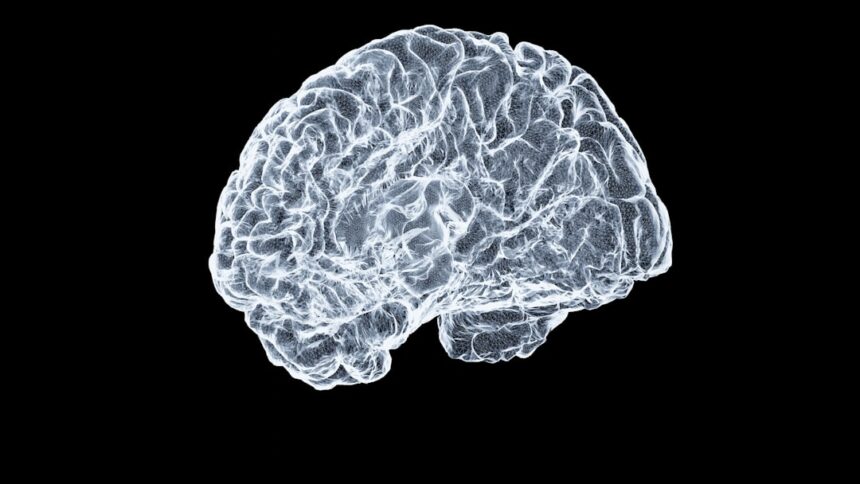
A landmark finding in exercise physiology has identified five primary myokines—BDNF, IGF-1, irisin, IL-6, and VEGF—that are released by contracting skeletal muscle and directly signal to the brain via systemic circulation. These molecular messengers regulate critical cognitive functions including synaptic plasticity, neurogenesis, blood flow optimisation, and inflammatory homeostasis.
The identification of these five signalling molecules represents a significant advancement in understanding the bidirectional communication between muscle and central nervous system. Research demonstrates that each myokine activates specific neurological pathways, collectively supporting cognitive function, vascular health, and metabolic regulation. This evidence-based framework now enables clinicians and researchers to predict how different exercise prescriptions influence brain health at the molecular level, offering new perspectives on exercise as preventive neuromedicine.
Read the full article on GMJ Newsroom.
Was this article helpful?