Updated 25/05/2026
Growing distrust in science, geopolitical fragmentation, and weakening international cooperation are eroding global pandemic preparedness at a moment when infectious disease outbreaks are becoming deadlier and more frequent, according to a new report from the Global Preparedness Monitoring Board (GPMB). The independent body, which focuses on health crisis preparedness, warns that many societies have emerged from health emergencies, such as the covid pandemic, “poorer, more unequal, and more divided.”
WHO-Detected Health Emergency Events on the Rise
Annual count of events detected globally, 2015–2024
detected in 2015
detected in 2024
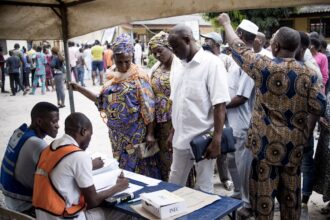
Ebola in Central Africa
1k2.3k3.5k2015201820212024
Source: World Health Organization, Global Preparedness Monitoring Board | Georgian Medical Journal News

Outbreaks Accelerating Amid Declining Trust in Health Systems
The warning comes amid outbreaks of hantavirus and the rare Bundibugyo version of the Ebola virus, which has killed more than 100 people in central Africa and has no vaccine, according to the GPMB report. The board said that such incidents were becoming more common, with the World Health Organization detecting nearly twice as many health emergency events in 2024 as in 2015.
While faster detection “may have reduced the proportion of outbreaks that evolve into large epidemics,” the underlying vulnerabilities in global health security remain unaddressed, the GPMB noted. See our coverage of global health emergencies for more context.
Vaccine Inequality and Diagnostic Gaps Widen Access Divide
The GPMB warned that the world was “moving backwards” in equitable access to diagnostics, vaccines, and therapeutics. This inequality is compounded by growing distrust, attacks on science, and geopolitics that are undermining pandemic preparedness, according to the report.
Visit our Health Policy section for analysis of governance and preparedness frameworks.
“The world is moving backwards in equitable access to diagnostics, vaccines, and therapeutics.”
— Global Preparedness Monitoring Board (2026)
Key takeaways
- WHO detected nearly twice as many health emergency events in 2024 as in 2015, according to the GPMB report.
- The rare Bundibugyo Ebola outbreak in Central Africa has killed more than 100 people and has no available vaccine.
- Growing distrust, attacks on science, and geopolitics are undermining pandemic preparedness at a time when outbreaks are becoming deadlier and more frequent.
- Many societies have emerged from health emergencies “poorer, more unequal, and more divided,” the GPMB reported.
Frequently asked questions
What is the Global Preparedness Monitoring Board and why does its warning matter?
The GPMB is an independent body focusing on health crisis preparedness that issued this major report warning about declining pandemic preparedness. The board tracks global readiness for health crises and identifies systemic weaknesses in outbreak response capacity.
What is known about the current Bundibugyo Ebola outbreak?
According to the GPMB report, the rare Bundibugyo version of the Ebola virus has killed more than 100 people in Central Africa and has no vaccine available. This makes containment more challenging compared to other Ebola variants with existing medical countermeasures.
How much have health emergency events increased?
The World Health Organization detected nearly twice as many health emergency events in 2024 as in 2015, according to the GPMB report, indicating a significant acceleration in outbreak frequency over the past decade.
The GPMB’s report serves as a warning that growing distrust, attacks on science, and geopolitics are undermining pandemic preparedness at a time when infectious disease outbreaks are becoming deadlier and more frequent. The board’s findings highlight the urgent need for improved global coordination and equitable access to health interventions.
Was this article helpful?
Disclaimer. This article is health journalism intended for general information and education. It is not medical advice and is not a substitute for professional diagnosis or treatment. Always consult a qualified healthcare provider about your individual circumstances. Full disclaimer →
Related Coverage
Editorial standards. This article was produced under the GMJ News editorial process, with oversight by the GMJ Editorial Board. Our editorial process. Spotted an error? Contact the editorial team.