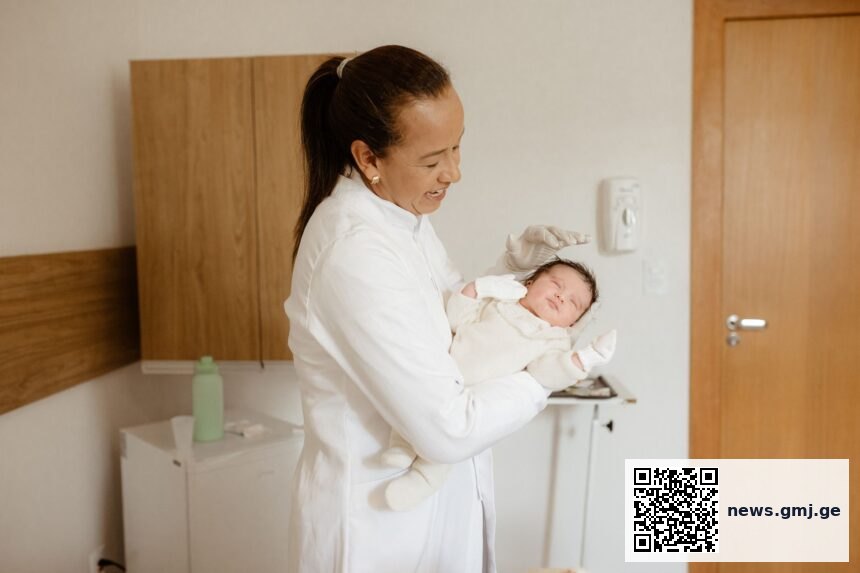
A structural mismatch between physician training and population need has created a paradox in American obstetrics: despite declining birth rates, nearly half of U.S. counties now lack a practicing obstetrician or gynecologist, according to reporting in STAT News. This geographic crisis is not the result of simple supply-and-demand economics, but rather reflects systemic failures in medical training pipeline design and workforce distribution.
Key takeaways
- Nearly 50% of U.S. counties have no practicing obstetrician-gynecologist, despite national decline in fertility rates
- The shortage is structural, rooted in how residency positions are allocated and where training programs concentrate
- Rural and underserved regions face the most acute access barriers, creating measurable disparities in maternal health outcomes
- Addressing the crisis requires intentional policy redesign of medical training infrastructure, not market-driven solutions alone
Obstetric Access Gaps Across the United States
Percentage of counties without an active obstetrician-gynecologist, by region, 2024-2026
Source: STAT News analysis | Georgian Medical Journal News
A Design Flaw, Not a Market Failure
The fundamental problem is not that the United States produces too few obstetricians. Rather, STAT News reporting reveals that residency training positions concentrate in urban academic medical centers, and graduates disproportionately establish practices in high-income metropolitan areas. This geographic clustering reflects decades of policy decisions that incentivized specialization in well-resourced institutions.

Declining fertility rates—which might logically reduce demand for obstetric services—have not triggered the expected redistribution of physicians to underserved regions. Instead, the absolute number of obstetricians has remained relatively stable while the geographic maldistribution has worsened. This suggests that supply-side policies alone (training more doctors) cannot solve a distribution problem rooted in economic incentives, loan repayment structures, and institutional prestige hierarchies.
Maternal Health Consequences in Underserved Regions
The absence of local obstetric care has measurable consequences. Pregnant individuals in counties without obstetricians face longer travel distances, delayed emergency care, and increased reliance on midwifery-led services—which, while evidence-based in many settings, may lack the surgical capacity for high-risk deliveries. Rural and low-income regions experience worse maternal mortality and morbidity outcomes, a disparity documented across clinical literature on access disparities.
The problem is particularly acute in states like South Dakota, where STAT News highlights the concentration of obstetric services in a handful of metropolitan areas. Expectant mothers in rural counties may travel 100 miles or more for prenatal care or delivery, creating barriers that disproportionately affect low-income, rural, and minority populations.
Policy Solutions: Redesigning the Training Pipeline
Addressing maternity deserts requires intentional restructuring of medical training. This includes redistributing residency positions to underserved regions, reforming loan forgiveness programs to incentivize rural practice, and creating collaborative care models where obstetricians support midwife-led practices in remote areas. The American College of Obstetricians and Gynecologists (ACOG) has advocated for policy interventions targeting workforce distribution, though implementation remains inconsistent across states.
Some health systems have experimented with telemedicine consultation for prenatal care and remote monitoring for low-risk pregnancies, partially bridging the access gap. However, such tools cannot replace in-person obstetric surgery for complicated deliveries. The evidence suggests that sustainable solutions require both training pipeline reform and reimbursement policy changes that make rural obstetric practice economically viable.
Nearly half of U.S. counties lack an obstetrician-gynecologist despite declining birth rates, reflecting systemic failures in residency allocation and physician distribution rather than overall workforce shortages.
— STAT News workforce analysis, 2026
What this means
Frequently asked questions
Why doesn’t the declining birth rate solve the shortage?
The decline in births reduces overall demand for obstetric services, but this does not automatically redistribute physicians from urban to rural areas. Obstetricians in saturated urban markets do not migrate to underserved regions simply because there is excess capacity; instead, they remain where infrastructure, income, and professional support networks are strongest. Solving the maldistribution requires active policy intervention, not passive market adjustment.
Can midwives and family medicine doctors fill the gap?
Midwife-led care is evidence-based for low-risk pregnancies and is standard practice in many countries. However, approximately 10-15% of pregnancies involve complications requiring obstetric expertise (cesarean delivery, instrumental assistance, management of preeclampsia). Without local access to obstetricians, complex cases require emergency transfer, which increases risk. A sustainable solution combines robust midwifery services with accessible obstetric backup.
Which states are most affected?
Rural and less densely populated states, particularly in the Great Plains, Upper Midwest, and Mountain West, experience the highest concentration of maternity deserts. States like South Dakota, Wyoming, and rural Montana have particularly acute shortages. In contrast, states with large metropolitan areas and medical centers (California, New York, Massachusetts) generally maintain adequate obstetric coverage, though access disparities persist within them.
The maternity desert crisis will persist without deliberate policy redesign. Policymakers, medical educators, and health systems must align financial incentives, training infrastructure, and practice support systems to make rural and underserved obstetric practice economically and professionally viable. Short of such structural change, demographic decline alone will not restore equitable access to maternal care. For more on health policy and workforce solutions, see recent policy analysis on the GMJ News platform.
Source: Opinion: Maternity deserts aren’t accidents. They’re the result of a design flaw, STAT News
Was this article helpful?
Disclaimer. This article is health journalism intended for general information and education. It is not medical advice and is not a substitute for professional diagnosis or treatment. Always consult a qualified healthcare provider about your individual circumstances. Full disclaimer →
Related Coverage
Editorial standards. This article was produced under the GMJ News editorial process, with oversight by the GMJ Editorial Board. Our editorial process. Spotted an error? Contact the editorial team.