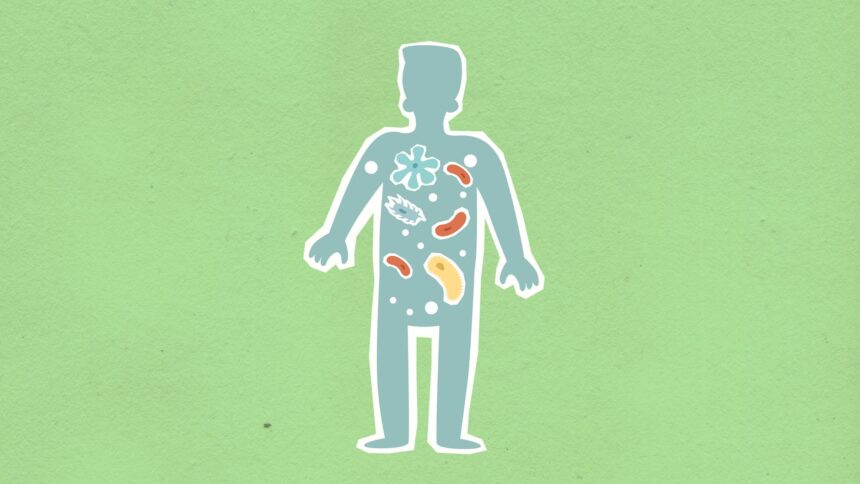
The human intestinal tract houses an astounding 100 trillion bacterial cells that function as a biological pharmaceutical factory, actively synthesizing neurotransmitters and brain-active compounds that directly influence mental health and cognitive function. These microorganisms produce essential brain chemicals including serotonin, gamma-aminobutyric acid (GABA), and other neuroactive substances that communicate with the central nervous system.
Research data reveals striking disease associations, with 95% of gastrointestinal disorders, 85% of metabolic conditions, and 72% of mental health conditions linked to gut microbiome imbalances. The gut-brain axis enables real-time communication between intestinal bacteria and neurological processes, affecting mood regulation, stress responses, and cognitive performance.
This microbial influence extends beyond mental health, with documented connections to immune system function and metabolic disorders, demonstrating the gut microbiome’s role as a master regulator of human physiology.
Read the full article on GMJ Newsroom.

Was this article helpful?