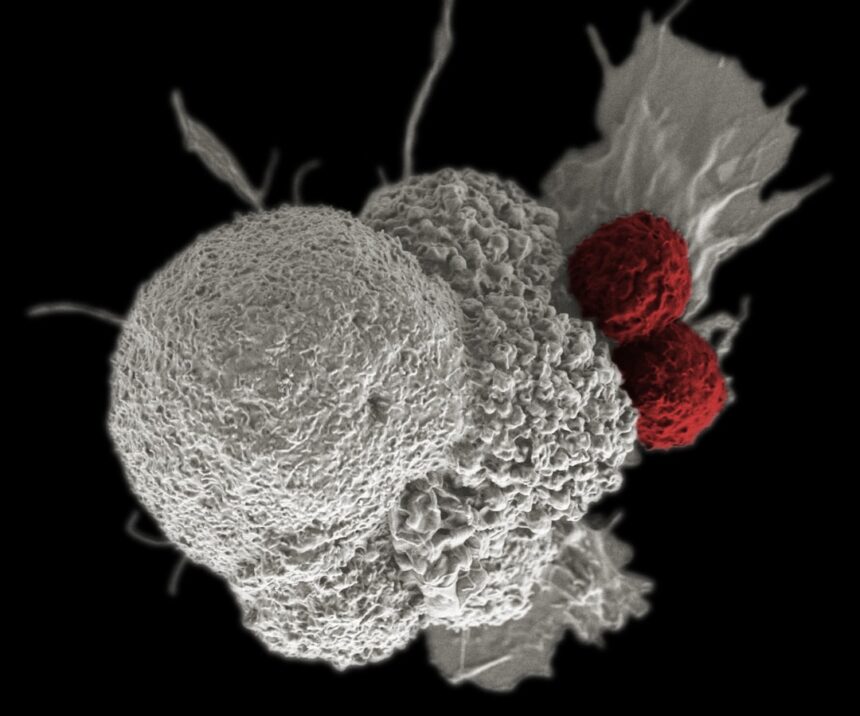
Ivermectin, an FDA-approved antiparasitic medication, has become the subject of viral social media claims suggesting it treats cancer. However, preliminary laboratory findings showing activity against cancer cell lines in controlled settings remain fundamentally different from proven clinical efficacy in human patients. The critical gap between in vitro research and clinical validation has created an environment where influencer claims now spread faster than peer-reviewed evidence can accumulate. While thousands of compounds demonstrate anti-cancer properties in cell cultures annually, fewer than 5% ever advance through the rigorous phases of human clinical trials required for medical approval. Currently, ivermectin lacks formal clinical trial data supporting its use as a cancer treatment, and major oncology organizations including the National Cancer Institute and European Society for Medical Oncology do not recommend it for this purpose. Medical professionals urge patients to rely on evidence-based cancer treatments and consult qualified oncologists rather than unverified social media sources. Read the full article on GMJ Newsroom.
Was this article helpful?
GMJ Brief · Announcement
📰 Read the full article: Ivermectin and cancer: why social media outpaces scientific evidence →