As heat waves intensify globally, public health guidance on hydration must evolve beyond conventional recommendations. Recent thermal physiology research examined by the BBC Health and Science unit reveals that plain water alone provides insufficient protection during prolonged heat exposure. Electrolyte-containing beverages—those with sodium and potassium—maintain blood volume and thermoregulatory function significantly more effectively than water, supporting fluid retention critical for preventing heat-related illness.
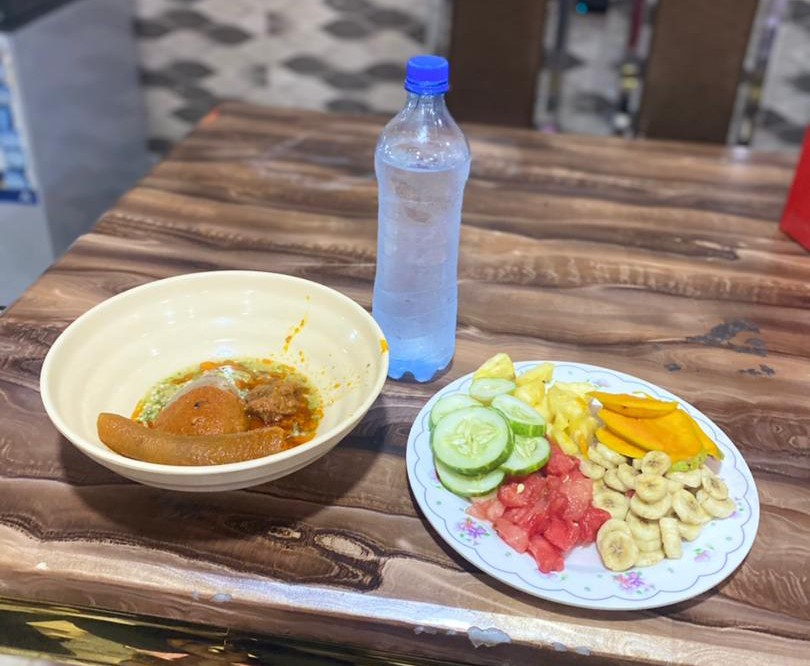
The evidence extends beyond hydration. Dietary composition during heat stress directly impacts metabolic heat production. Smaller, protein-balanced meals consumed during cooler hours reduce the thermic effect of food, minimizing additional heat burden on the body. Cold, water-rich foods such as fruits and vegetables provide dual benefits: hydration alongside essential micronutrients without triggering digestive strain.
These evidence-based strategies represent a shift from outdated heat nutrition guidance, offering practical interventions to maintain both hydration status and metabolic stability during extreme temperatures. Read the full article on GMJ Newsroom.
Was this article helpful?