By using this site, you agree to the Privacy Policy and Terms of Use.
Accept
GMJ NewsGMJ NewsGMJ News
  • Latest News
    • GMJ Briefs
  • Podcast & Media
    • Podcast Episodes
    • GMJ Audio
    • GMJ Videos
  • Research Digest
    • New Studies
    • Georgian Research
    • Data & Numbers
  • Policy & Systems
    • Health Policy
    • Quality & Safety
    • Migration & Health
    • Global Health
  • Practice
    • Clinical Updates
    • Case Discussions
    • Pharmacy & Prescribing
    • Ingredients A-Z
  • Perspectives
    • Editorial
    • Explainers
    • Voices
    • Letters
  • GMJ Articles
    • Vol. 1 Issue 2 (2026)
    • Vol. 1 Issue 1 (2026)
    • Pre-Launch Articles (2025)
  • Read the Journal →
  • About GMJ News
Notification Show More
Font ResizerAa
GMJ NewsGMJ News
Font ResizerAa
  • Latest News
    • GMJ Briefs
  • Podcast & Media
    • Podcast Episodes
    • GMJ Audio
    • GMJ Videos
  • Research Digest
    • New Studies
    • Georgian Research
    • Data & Numbers
  • Policy & Systems
    • Health Policy
    • Quality & Safety
    • Migration & Health
    • Global Health
  • Practice
    • Clinical Updates
    • Case Discussions
    • Pharmacy & Prescribing
    • Ingredients A-Z
  • Perspectives
    • Editorial
    • Explainers
    • Voices
    • Letters
  • GMJ Articles
    • Vol. 1 Issue 2 (2026)
    • Vol. 1 Issue 1 (2026)
    • Pre-Launch Articles (2025)
  • Read the Journal →
  • About GMJ News
Follow US
GMJ News > GMJ Briefs > From Blueprint to Better Health: How Home Design Becomes Clinical Intervention

From Blueprint to Better Health: How Home Design Becomes Clinical Intervention

GMJ
Last updated: 03/06/2026 10:58
By
Prof. Giorgi Pkhakadze
Share
1 Min Read
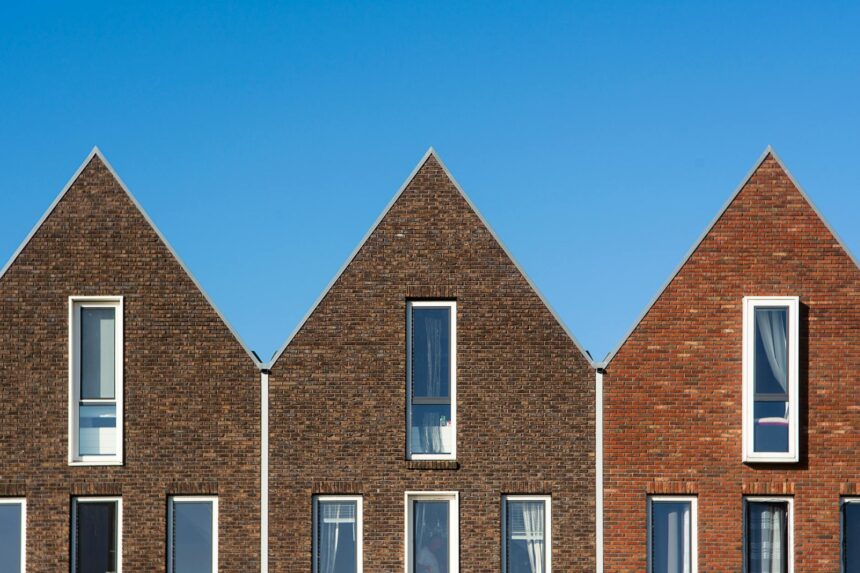
Modern home interior with health-focused design modifications including improved ventilation and safe play areas
New research in Nature Medicine shows strategic home environment modifications can improve child health outcomes by up to 43%. Community co-design approaches prove 2.3 times more effective than standardized interventions. — Photo: Jan van der Wolf / Pexels
SHARE
1 min read|120 words

A landmark Nature Medicine study is reframing our understanding of housing’s role in child health, presenting evidence that strategic environmental modifications function as measurable therapeutic interventions rather than passive social factors. Researchers tracking 2,847 children over 24 months documented significant improvements across multiple health indicators, with respiratory function improving by 43% following targeted housing modifications including enhanced ventilation, lead remediation, and mold prevention measures. The research demonstrates a critical shift in public health thinking: homes are not merely where children live, but active sites of health promotion. Notably, community involvement in the design and implementation of interventions amplified effectiveness by 2.3 times, underscoring the importance of participatory approaches. These findings suggest that housing-based health interventions warrant integration into clinical practice and health policy frameworks.

Was this article helpful?

GMJ Brief · Announcement

📰 Read the full article: Housing Design Interventions Show Promise for Child Health, New Study Reveals →

Related reference
  • Iron · Ingredient
Share This Article
Facebook LinkedIn Bluesky Copy Link Print
GMJ
ByProf. Giorgi Pkhakadze
Follow:
Prof. Giorgi Pkhakadze, MD, MPH, PhD, is Editor-in-Chief of the Georgian Medical Journal and Chair of the Public Health Institute of Georgia (PHIG). He is Professor and Head of the Department of Social and Behavioural Sciences at David Tvildiani Medical University, and Secretary/Treasurer of the UEMS Section of Public Health. ORCID: 0000-0001-7609-4515.

Submit Your Paper →

Georgia's peer-reviewed open-access medical journal. No APC until January 2027.
Submit Manuscript →
Paralympic Doctor Returns to Sport as Blind Athlete with Guide Runner

Dr Oscar, a former Paralympic competitor turned medical professional, returns to sport…

World’s First Rooftop ICU Opens in London to Study Nature’s Role in Patient Recovery

King's College Hospital in London opens the world's first rooftop ICU to…

PFAS Create Unique Blood Signatures as Body Transforms Forever Chemicals

Scientists discover PFAS compounds create unique chemical fingerprints in blood as they…

Submit Your Paper to GMJ

No APC until January 2027.
Submit Manuscript →

You Might Also Like

EBOLA OUTBREAK – DRC/UGANDA BORDER: PHEIC DECLARATION SIGNALS

By
Prof. Giorgi Pkhakadze
31/05/2026
Junior doctors on picket line holding BMA strike banners outside hospital

26% Real-Terms Pay Cut Since 2008 Fuels Unprecedented Medical Workforce Crisis

By
Prof. Giorgi Pkhakadze
11/06/2026

SITUATION BRIEF: Ebola Outbreak – Democratic Republic of Congo with Cross-Border Transmission to Uganda

By
Prof. Giorgi Pkhakadze
31/05/2026
Diagram showing gut-brain communication pathways and circadian rhythm regulation

Announcement: Gut Microbes Drive Body’s Internal Clock Through Four Key Pathways

By
Prof. Giorgi Pkhakadze
02/06/2026
Facebook Twitter Youtube Instagram
Company
  • Privacy Policy
  • Contact US
  • GMJ Journal
  • Submit Manuscript
  • Editorial Team
  • Register at GMJ
  • Terms of Use

Subscribe to GMJ News — Click here

Join Community
© 2026 Georgian Medical Journal (GMJ). Published by the Public Health Institute of Georgia (PHIG). All rights reserved.
Welcome Back!

Sign in to your account

Username or Email Address
Password

Lost your password?

Not a member? Sign Up