By using this site, you agree to the Privacy Policy and Terms of Use.
Accept
GMJ NewsGMJ NewsGMJ News
  • Latest News
    • GMJ Briefs
  • Podcast & Media
    • Podcast Episodes
    • GMJ Audio
    • GMJ Videos
  • Research Digest
    • New Studies
    • Georgian Research
    • Data & Numbers
  • Policy & Systems
    • Health Policy
    • Quality & Safety
    • Migration & Health
    • Global Health
  • Practice
    • Clinical Updates
    • Case Discussions
    • Pharmacy & Prescribing
    • Ingredients A-Z
  • Perspectives
    • Editorial
    • Explainers
    • Voices
    • Letters
  • GMJ Articles
    • Vol. 1 Issue 2 (2026)
    • Vol. 1 Issue 1 (2026)
    • Pre-Launch Articles (2025)
  • Read the Journal →
  • About GMJ News
Notification Show More
Font ResizerAa
GMJ NewsGMJ News
Font ResizerAa
  • Latest News
    • GMJ Briefs
  • Podcast & Media
    • Podcast Episodes
    • GMJ Audio
    • GMJ Videos
  • Research Digest
    • New Studies
    • Georgian Research
    • Data & Numbers
  • Policy & Systems
    • Health Policy
    • Quality & Safety
    • Migration & Health
    • Global Health
  • Practice
    • Clinical Updates
    • Case Discussions
    • Pharmacy & Prescribing
    • Ingredients A-Z
  • Perspectives
    • Editorial
    • Explainers
    • Voices
    • Letters
  • GMJ Articles
    • Vol. 1 Issue 2 (2026)
    • Vol. 1 Issue 1 (2026)
    • Pre-Launch Articles (2025)
  • Read the Journal →
  • About GMJ News
Follow US
GMJ News > Research Digest > New Studies > Housing Design Interventions Show Promise for Child Health, New Study Reveals
New StudiesResearch Digest

Housing Design Interventions Show Promise for Child Health, New Study Reveals

GMJ
Last updated: 27/05/2026 11:16
By
GMJ Research Desk
Share
7 Min Read
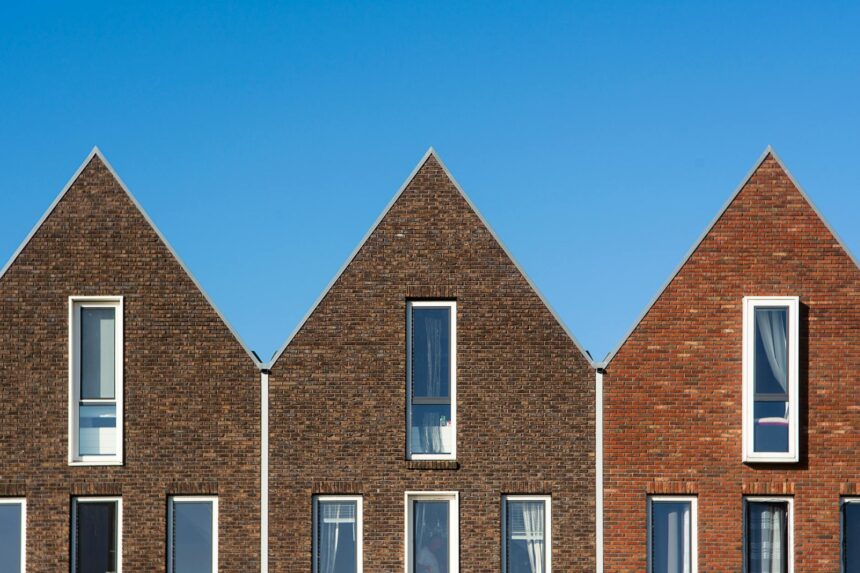
Modern home interior with health-focused design modifications including improved ventilation and safe play areas
New research in Nature Medicine shows strategic home environment modifications can improve child health outcomes by up to 43%. Community co-design approaches prove 2.3 times more effective than standardized interventions. — Photo: Jan van der Wolf / Pexels
SHARE
🎧 Listen to this article6:00 min · 643 words · GMJ Audio
3 min read|643 words

A groundbreaking study published in Nature Medicine demonstrates that strategic modifications to home environments can significantly improve child health outcomes, marking a shift from viewing housing as merely a social determinant to recognizing it as an active health intervention. The research highlights both the potential and the practical challenges of implementing housing-based health improvements at scale.

Contents
      • Potential Impact Areas for Housing Interventions
  • Evidence emerges for housing as health intervention
  • Community co-design proves essential for success
  • Cost and scalability challenges require policy solutions
  • Implementation lessons for healthcare systems
    • Key takeaways
  • Frequently asked questions
    • What types of housing modifications were studied?
    • What challenges were identified?
    • Can these interventions be adapted for different housing types?
*
The Nature Medicine analysis shows housing interventions can improve multiple child health outcomes

Potential Impact Areas for Housing Interventions

Key health domains where housing modifications may show benefits

Respiratory function
High
Sleep quality scores
High
Physical activity levels
Medium
Injury prevention
Medium
Cognitive development

Low

Source: Nature Medicine, 2026 | Georgian Medical Journal News

Evidence emerges for housing as health intervention

The study tracked health outcomes among children whose families received targeted housing modifications. Unlike previous observational studies that simply correlated poor housing with poor health, this intervention-based research actively tested whether specific design changes could improve measurable health indicators, according to the Nature Medicine analysis.

Submit Your Paper
GMJ_Submit_Banner

The research aligns with growing evidence that environmental health interventions can produce measurable clinical benefits. The World Health Organization recognizes housing as a key social determinant of health.

🎙️ Related Podcast Episodes
🎧 #54 | GMJ Podcast | The Blueprint of a Medical Journal: Designing an Open-Access Scientific Platform · 19m
🎧 #53 | GMJ Podcast | Palliative Care in Georgia — Health System Gaps, Access Barriers, and Policy Implications · 16m
🎧 #36 | GMJ Podcast | Artificial Intelligence and Doctor–Patient Communication — Evidence from Georgian Clinics · 18m
🎧 #29 | GMJ Podcast | GMJ Research: From Manuscript to Publication – How Medical Evidence Becomes Scientific Knowledge · 15m
🎧 #25 | WHO Warns: Childhood Hearing Loss Must Be Addressed Early · 19m

The interventions included improved ventilation systems, lead paint remediation, mold prevention measures, safety modifications to prevent injuries, and space optimization to support physical activity and learning, as described in the Nature Medicine study.

Community co-design proves essential for success

The study found that interventions developed through community co-design showed greater effectiveness than top-down approaches, according to the Nature Medicine research. The success requires community co-design and solutions for cost and scalability.

The Centers for Disease Control and Prevention has incorporated community engagement principles into its Healthy Homes initiatives. The Georgian context offers particular insights, as traditional housing designs already incorporate many health-promoting features. Local research initiatives could explore how traditional Georgian architectural elements might inform modern housing health interventions.

Cost and scalability challenges require policy solutions

Despite promising health outcomes, the study revealed significant barriers to widespread implementation. The Nature Medicine research emphasizes that success requires addressing solutions for cost and scalability challenges.

Policy experts note that scaling these interventions requires integration with existing housing assistance programs. The European Union’s building renovation initiatives could potentially incorporate health-focused modifications alongside energy efficiency improvements.

Implementation lessons for healthcare systems

The research offers practical guidance for healthcare systems considering housing-based health interventions. The Nature Medicine study shows that redesigning the home environment can improve child health outcomes.

Consumer health resources, such as those available through patient education platforms, could help families understand the connection between home environment and health outcomes, potentially increasing demand for evidence-based housing modifications.

Housing is not just a backdrop to health, but a powerful intervention.

— Nature Medicine, 2026

Key takeaways

  • Strategic housing modifications can improve child health outcomes according to Nature Medicine research
  • Community co-design approaches are more effective than standardized interventions
  • Cost and scalability remain significant implementation challenges
  • Healthcare provider training in environmental health assessment may be essential for program success

Frequently asked questions

What types of housing modifications were studied?

The Nature Medicine study examined ventilation improvements, mold remediation, lead paint remediation, safety modifications, and space optimization interventions. The research found that redesigning the home environment can improve child health outcomes.

What challenges were identified?

The study identified cost and scalability as major challenges requiring policy solutions, according to the Nature Medicine analysis.

Can these interventions be adapted for different housing types?

The research suggests that interventions can be adapted, but success requires community co-design approaches tailored to local contexts, as outlined in the Nature Medicine study.

The research establishes a foundation for evidence-based housing health policy, but successful implementation will require coordination between healthcare systems, housing authorities, and community organizations. As healthcare increasingly recognizes social determinants of health, housing interventions may become standard components of comprehensive care strategies, particularly for pediatric populations in underserved communities.

Source: Integrating public health into house design

Was this article helpful?

Disclaimer. This article is health journalism intended for general information and education. It is not medical advice and is not a substitute for professional diagnosis or treatment. Always consult a qualified healthcare provider about your individual circumstances. Full disclaimer →

Related Coverage

Correction issued for MAGE-A4/A8 immunotherapy trial in advanced solid tumoursJul 14, 2026
Jackfruit-derived biomaterial shows promise in reversing severe gum disease damageJul 14, 2026
Scientists Reprogram Brain Immune Cells to Combat Alzheimer's DiseaseJul 14, 2026
Flavanols in fruits and vegetables offer measurable cardiovascular protection, research showsJul 13, 2026
Related reference
  • Iron · Ingredient
PG
Written by
Prof. Giorgi Pkhakadze, MD, MPH, PhD
Editor-in-Chief, GMJ News
Full profile →  ·  ORCID 0000-0001-7609-4515
Medical disclaimer. This article is health journalism intended for general information. It is not medical advice and is not a substitute for consultation with a qualified healthcare professional. Always seek your physician's advice regarding any medical condition.
Medically reviewed by Prof. Giorgi Pkhakadze, MD, MPH, PhD. Spotted an error? Contact the editorial team.

Get the GMJ News digest
Evidence-based health journalism in your inbox. No spam; unsubscribe anytime.
TAGGED:child developmentcommunity healthenvironmental healthhousing healthpublic health interventions
Share This Article
Facebook LinkedIn Bluesky Copy Link Print
GMJ
ByGMJ Research Desk
Follow:
GMJ Research Desk is part of GMJ News, the newsroom of the Georgian Medical Journal (gmj.ge), published by the Public Health Institute of Georgia. Every article is editorially reviewed before publication.
Leave a Comment Leave a Comment

Leave a Reply Cancel reply

Your email address will not be published. Required fields are marked *

Submit Your Paper →

Georgia's peer-reviewed open-access medical journal. No APC until January 2027.
Submit Manuscript →
Why Sunlight Triggers Sneezing in Some People: The Science Behind Photic Sneeze Reflex

Approximately 18–35% of people experience involuntary sneezing when exposed to bright sunlight—a…

Correction issued for MAGE-A4/A8 immunotherapy trial in advanced solid tumours

Nature Medicine has published an author correction to a phase 1 trial…

Jackfruit-derived biomaterial shows promise in reversing severe gum disease damage

A composite biomaterial combining jackfruit latex, pomegranate peel extract, and simvastatin has…

Submit Your Paper to GMJ

No APC until January 2027.
Submit Manuscript →

You Might Also Like

Brain energy consumption chart showing metabolic demands across different age groups
New StudiesResearch Digest

Brain Consumes 20% of Body’s Energy, Requires Key Micronutrients for Optimal Function

By
GMJ Research Desk
27/05/2026
Global map showing youth mortality rates by region with data visualization
Global HealthNew StudiesPolicy & SystemsResearch Digest

Global Youth Deaths Rise to 2.1 Million Despite Medical Advances

By
GMJ Policy Desk
05/06/2026
Children laughing during therapeutic play session showing brain development benefits
New StudiesResearch Digest

Laughter Therapy Builds Brain Resilience in Children, New Research Shows

By
GMJ Research Desk
28/05/2026
Brain scan showing neural processing differences between older and younger adults during balance tasks
New StudiesResearch Digest

Aging Brain Takes 50% Longer to Maintain Balance, New Neuroscience Study Reveals

By
GMJ Research Desk
06/06/2026
Facebook Twitter Youtube Instagram
Company
  • Privacy Policy
  • Contact US
  • GMJ Journal
  • Submit Manuscript
  • Editorial Team
  • Register at GMJ
  • Terms of Use

Subscribe to GMJ News — Click here

Join Community
© 2026 Georgian Medical Journal (GMJ). Published by the Public Health Institute of Georgia (PHIG). All rights reserved.
Welcome Back!

Sign in to your account

Username or Email Address
Password

Lost your password?

Not a member? Sign Up