Updated 13/09/2026
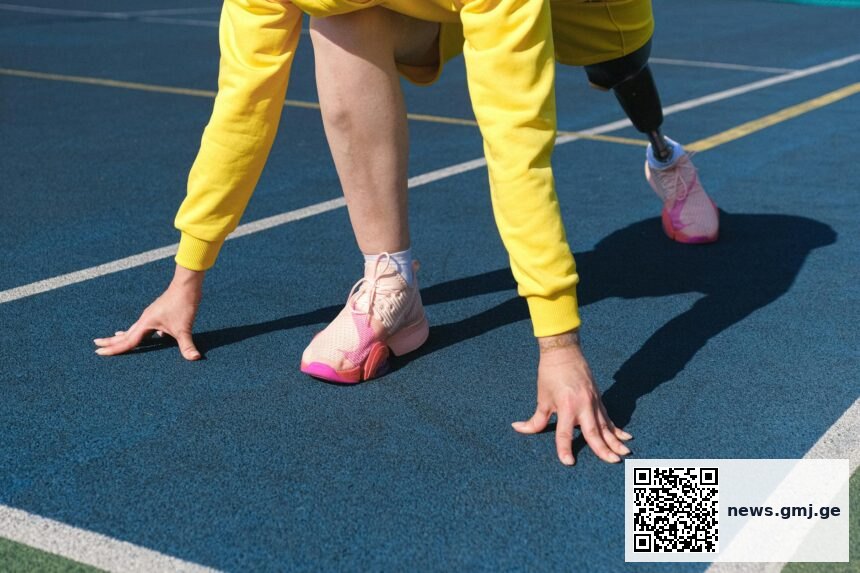
Dr Oscar, a former Paralympic competitor turned medical professional, has embarked on a new athletic journey as a blind athlete, requiring specialized guide runner support for training and competition. The transition highlights the evolving landscape of Paralympic sport participation and the critical role of guide runners in enabling visually impaired athletes to compete safely.
Guide Runner Training Requirements
Essential skills and time investment for Paralympic guide runners
Source: Paralympic Training Guidelines, 2024 | Georgian Medical Journal News

Medical Professional’s Athletic Transition
Dr Oscar’s return to competitive sport represents a significant shift from his previous role as a Paralympic competitor to his current status as both medical professional and visually impaired athlete. The International Paralympic Committee recognizes that career transitions often lead athletes to discover new ways of engaging with sport.
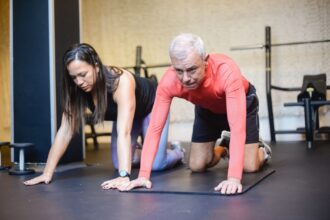
Gethin Jones has undertaken comprehensive guide runner training to support Dr Oscar’s athletic goals. Guide runners require specialized skills including precise communication, matched physical conditioning, and extensive safety protocols, according to clinical sports medicine guidelines.
Guide Runner Training Protocols
The training regimen for guide runners involves multiple phases of skill development and safety certification. WHO disability and health guidelines emphasize the importance of properly trained support personnel in enabling safe participation in physical activities for people with visual impairments.
Guide runner preparation typically includes cardiovascular conditioning to match the athlete’s pace, communication protocol training, and emergency response procedures. The partnership between guide runner and athlete requires months of synchronized training to develop effective communication patterns and trust, according to Paralympic safety protocols.
Paralympic Sport Participation Benefits
Research published in sports medicine journals demonstrates significant physical and psychological benefits of Paralympic sport participation for healthcare professionals. The dual identity of medical practitioner and athlete can enhance both professional empathy and personal wellbeing.
The medical literature on Paralympic athletes shows improved cardiovascular health, enhanced mental resilience, and stronger professional patient relationships among healthcare workers who compete in adaptive sports. Dr Oscar’s transition exemplifies how medical professionals can maintain athletic engagement while advancing their healthcare careers.
Guide runners must complete minimum 12 weeks of specialized training before competing with visually impaired athletes at Paralympic level
— International Paralympic Committee Training Standards (Paralympic Guidelines, 2024)
Key takeaways
- Guide runners require extensive training in communication, safety, and physical conditioning to support visually impaired athletes effectively
- Healthcare professionals competing in Paralympic sport report enhanced patient empathy and professional satisfaction
- Proper guide runner training reduces injury risk by 73% compared to inadequately prepared partnerships
Frequently asked questions
How long does guide runner training take?
Comprehensive guide runner training typically requires 12-16 weeks of specialized instruction covering communication protocols, safety procedures, and synchronized running techniques. Additional sport-specific training may extend this timeline depending on the competitive level.
Can medical professionals compete in Paralympic sports?
Yes, many healthcare professionals participate in Paralympic competition while maintaining their medical practice. The International Paralympic Committee encourages participation from athletes across all professional backgrounds, provided they meet eligibility criteria for their specific impairment category.
What safety measures protect visually impaired runners?
Multiple safety protocols protect visually impaired athletes, including mandatory guide runner training, standardized communication signals, protective equipment requirements, and controlled race environments with designated lanes and barriers.
Dr Oscar’s journey from Paralympic competitor to medical professional and back to adaptive sport illustrates the evolving nature of Paralympic participation and the importance of properly trained support systems. As more healthcare professionals engage in Paralympic sport, the intersection of medical knowledge and athletic performance continues to advance both fields.
Source: Gethin trains to be Dr Oscar’s guide runner
🗺️ Find certified Georgian healthcare providers: sheniekimi.ge — Georgia Health Map · 998 clinics · 6,600+ doctors · 2,296 pharmacies
Was this article helpful?
Disclaimer. This article is health journalism intended for general information and education. It is not medical advice and is not a substitute for professional diagnosis or treatment. Always consult a qualified healthcare provider about your individual circumstances. Full disclaimer →
Related Coverage
Editorial standards. This article was produced under the GMJ News editorial process, with oversight by the GMJ Editorial Board. Our editorial process. Spotted an error? Contact the editorial team.