By using this site, you agree to the Privacy Policy and Terms of Use.
Accept
GMJ NewsGMJ NewsGMJ News
  • Latest News
    • GMJ Briefs
  • Podcast & Media
    • Podcast Episodes
    • GMJ Audio
    • GMJ Videos
  • Research Digest
    • New Studies
    • Georgian Research
    • Data & Numbers
  • Policy & Systems
    • Health Policy
    • Quality & Safety
    • Migration & Health
    • Global Health
  • Practice
    • Clinical Updates
    • Case Discussions
    • Pharmacy & Prescribing
    • Ingredients A-Z
  • Perspectives
    • Editorial
    • Explainers
    • Voices
    • Letters
  • GMJ Articles
    • Vol. 1 Issue 2 (2026)
    • Vol. 1 Issue 1 (2026)
    • Pre-Launch Articles (2025)
  • Read the Journal →
  • About GMJ News
Notification Show More
Font ResizerAa
GMJ NewsGMJ News
Font ResizerAa
  • Latest News
    • GMJ Briefs
  • Podcast & Media
    • Podcast Episodes
    • GMJ Audio
    • GMJ Videos
  • Research Digest
    • New Studies
    • Georgian Research
    • Data & Numbers
  • Policy & Systems
    • Health Policy
    • Quality & Safety
    • Migration & Health
    • Global Health
  • Practice
    • Clinical Updates
    • Case Discussions
    • Pharmacy & Prescribing
    • Ingredients A-Z
  • Perspectives
    • Editorial
    • Explainers
    • Voices
    • Letters
  • GMJ Articles
    • Vol. 1 Issue 2 (2026)
    • Vol. 1 Issue 1 (2026)
    • Pre-Launch Articles (2025)
  • Read the Journal →
  • About GMJ News
Follow US
GMJ News > GMJ Briefs > Data Analysis of 26,000 Participants Reveals Zero Evidence of Creatine-Related Kidney Damage

Data Analysis of 26,000 Participants Reveals Zero Evidence of Creatine-Related Kidney Damage

GMJ
Last updated: 10/06/2026 12:25
By
Prof. Giorgi Pkhakadze
Share
1 Min Read
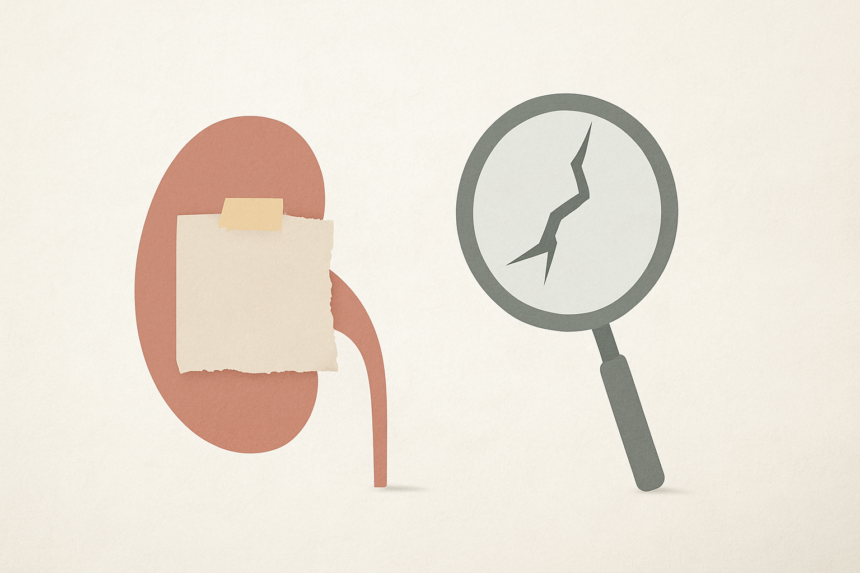
Scientific chart showing creatine safety data from clinical trials
Comprehensive analysis of 26,000 participants definitively debunks persistent myth that creatine damages kidneys. Elevated creatinine reflects normal metabolism, not kidney dysfunction.
SHARE
1 min read|105 words

A systematic review and meta-analysis examining data from 26,000 participants across 685 clinical trials has found zero evidence linking creatine supplementation to kidney damage. While serum creatinine levels increased modestly (mean difference: 0.07 micromol/L), all actual kidney health markers—including measured glomerular filtration rate, cystatin C levels, proteinuria, and albuminuria—remained unchanged. The persistent concern originates from misinterpretation of routine blood tests that measure creatinine as a proxy for kidney function. However, elevated creatinine from creatine supplementation reflects increased substrate turnover and normal metabolic degradation, not renal dysfunction. These findings provide healthcare professionals with definitive, data-driven evidence to reassure patients and inform clinical decision-making regarding creatine use.

Was this article helpful?
GMJ Brief · Key Finding

📰 Read the full article: Creatine Kidney Damage Myth Debunked by Major Safety Review of 26,000 Participants →

Related reference
  • Creatine · Ingredient
Share This Article
Facebook LinkedIn Bluesky Copy Link Print
GMJ
ByProf. Giorgi Pkhakadze
Follow:
Prof. Giorgi Pkhakadze, MD, MPH, PhD, is Editor-in-Chief of the Georgian Medical Journal and Chair of the Public Health Institute of Georgia (PHIG). He is Professor and Head of the Department of Social and Behavioural Sciences at David Tvildiani Medical University, and Secretary/Treasurer of the UEMS Section of Public Health. ORCID: 0000-0001-7609-4515.

Submit Your Paper →

Georgia's peer-reviewed open-access medical journal. No APC until January 2027.
Submit Manuscript →
Coeliac Disease Linked to Increased Death Risk and Cancer in Major US Study

Major US study of 60,000+ patients reveals coeliac disease patients face 39%…

Paralympic Doctor Returns to Sport as Blind Athlete with Guide Runner

Dr Oscar, a former Paralympic competitor turned medical professional, returns to sport…

World’s First Rooftop ICU Opens in London to Study Nature’s Role in Patient Recovery

King's College Hospital in London opens the world's first rooftop ICU to…

Submit Your Paper to GMJ

No APC until January 2027.
Submit Manuscript →

You Might Also Like

Global HealthPolicy & Systems

US Funding Cuts Hamper International Ebola Response as Congo Outbreak Spreads

By
Prof. Giorgi Pkhakadze
26/05/2026
Infographic showing declining birth rates in England and Wales from 1977 to 2023

England and Wales Record Lowest Birth Rate in Five Decades Amid Economic Uncertainty

By
Prof. Giorgi Pkhakadze
04/06/2026

SITUATION BRIEF: Ebola Cross-Border Transmission DRC-Uganda, PHEIC Declared

By
Prof. Giorgi Pkhakadze
31/05/2026

PHEIC Declaration: Ebola Cross-Border Transmission DRC-Uganda

By
Prof. Giorgi Pkhakadze
31/05/2026
Facebook Twitter Youtube Instagram
Company
  • Privacy Policy
  • Contact US
  • GMJ Journal
  • Submit Manuscript
  • Editorial Team
  • Register at GMJ
  • Terms of Use

Subscribe to GMJ News — Click here

Join Community
© 2026 Georgian Medical Journal (GMJ). Published by the Public Health Institute of Georgia (PHIG). All rights reserved.
Welcome Back!

Sign in to your account

Username or Email Address
Password

Lost your password?

Not a member? Sign Up