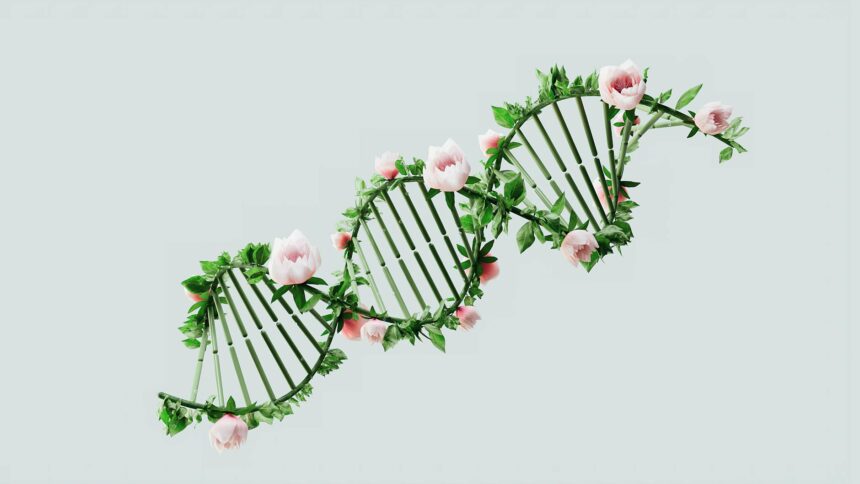
When cells fail to divide properly following successful DNA replication, they accumulate double the normal genetic material—a condition affecting various disease states including cancer and age-related conditions. New research quantifies this challenge: not all these failures result in the expected cell death outcomes.
Traditional cellular biology held that tetraploid cells—those with four chromosome copies—would be eliminated through quality control mechanisms. However, emerging data shows significant variation in cellular responses depending on specific stress conditions and circumstantial factors surrounding the division error. This variability suggests that some tetraploid cells develop survival pathways that allow them to persist in tissues longer than previously anticipated.
Understanding the frequency and mechanisms of tetraploid cell survival is critical for cancer researchers and gerontologists. These findings indicate that cellular abnormalities may contribute to disease development through previously underestimated pathways, necessitating reassessment of how we approach therapeutic interventions targeting these anomalous cells.
Read the full article on GMJ Newsroom.

Was this article helpful?
GMJ Brief · Key Finding
📰 Read the full article: Scientists discover why some DNA-doubled cells refuse to die →