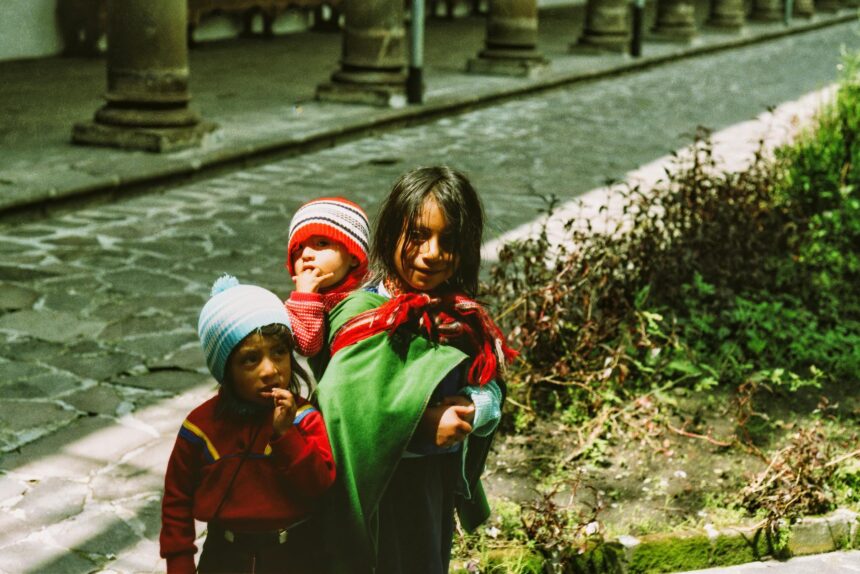
New evidence from a comprehensive population survey underscores the profound health inequities affecting Ecuador’s most vulnerable populations. The study reveals that 42.8% of indigenous children under five experience stunting—more than double the 18.1% rate among white children. This disparity extends across all measured conditions, with anaemia affecting 36.5% of indigenous children versus 28.2% of white children.
These striking differences are not biological but reflect what researchers identify as deep structural inequities embedded within Ecuador’s social and economic systems. The data, drawn from 8,864 children in the 2018 National Health and Nutrition Survey, demonstrates how ethnicity serves as a proxy for unequal access to nutrition, healthcare, and economic resources.
The research suggests that targeted interventions addressing socioeconomic barriers and systemic discrimination are essential to closing these equity gaps and improving child health outcomes across Latin America.
Read the full article on GMJ Newsroom.

Was this article helpful?