By using this site, you agree to the Privacy Policy and Terms of Use.
Accept
GMJ NewsGMJ NewsGMJ News
  • Latest News
    • GMJ Briefs
  • Podcast & Media
    • Podcast Episodes
    • GMJ Audio
    • GMJ Videos
  • Research Digest
    • New Studies
    • Georgian Research
    • Data & Numbers
  • Policy & Systems
    • Health Policy
    • Quality & Safety
    • Migration & Health
    • Global Health
  • Practice
    • Clinical Updates
    • Case Discussions
    • Pharmacy & Prescribing
    • Ingredients A-Z
  • Perspectives
    • Editorial
    • Explainers
    • Voices
    • Letters
  • GMJ Articles
    • Vol. 1 Issue 2 (2026)
    • Vol. 1 Issue 1 (2026)
    • Pre-Launch Articles (2025)
  • Read the Journal →
  • About GMJ News
Notification Show More
Font ResizerAa
GMJ NewsGMJ News
Font ResizerAa
  • Latest News
    • GMJ Briefs
  • Podcast & Media
    • Podcast Episodes
    • GMJ Audio
    • GMJ Videos
  • Research Digest
    • New Studies
    • Georgian Research
    • Data & Numbers
  • Policy & Systems
    • Health Policy
    • Quality & Safety
    • Migration & Health
    • Global Health
  • Practice
    • Clinical Updates
    • Case Discussions
    • Pharmacy & Prescribing
    • Ingredients A-Z
  • Perspectives
    • Editorial
    • Explainers
    • Voices
    • Letters
  • GMJ Articles
    • Vol. 1 Issue 2 (2026)
    • Vol. 1 Issue 1 (2026)
    • Pre-Launch Articles (2025)
  • Read the Journal →
  • About GMJ News
Follow US
GMJ News > GMJ Briefs > Thyroid Hormone Therapy Achieves 10-Fold Nerve Regrowth in Human Brain Models

Thyroid Hormone Therapy Achieves 10-Fold Nerve Regrowth in Human Brain Models

GMJ
Last updated: 12/06/2026 16:52
By
Prof. Giorgi Pkhakadze
Share
1 Min Read
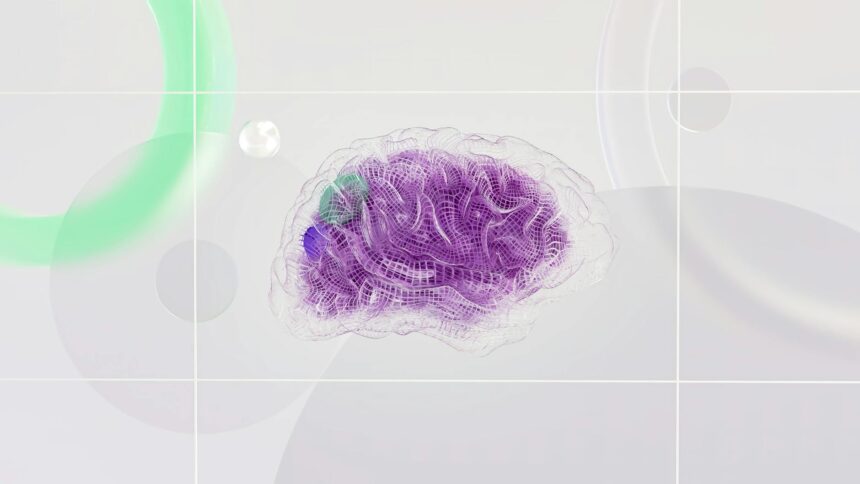
Microscopic view of lab-grown brain organoids showing neural connections and regenerating nerve fibers
Cambridge researchers used lab-grown brain organoids to discover that human neurons lose regenerative capacity during development, but thyroid hormone therapy can restore nerve regrowth by 10-fold. The breakthrough offers new hope for treating paralysis and spinal cord injuries. — Photo: Google DeepMind / Pexels
SHARE
1 min read|149 words

A groundbreaking study from Cambridge University reveals that adult neurons retain far greater regenerative potential than previously believed. The research, conducted using sophisticated lab-grown brain organoids, demonstrates that thyroid hormone therapy can boost nerve fiber regrowth by tenfold in human neural tissue models. The organoid technology allows scientists to observe how neurons change their regenerative properties as they mature from embryonic to adult stages. The data shows a stark decline in regenerative capacity: embryonic neurons retain 100 percent regeneration potential, which drops to 45 percent in early postnatal stages and further declines to just 5 percent in adult neurons. Remarkably, when existing thyroid hormone treatments were applied to adult neural tissue in the organoid system, regenerative capacity was dramatically restored. This finding challenges the conventional understanding that adult nerve damage is permanent and suggests new therapeutic avenues for treating spinal cord injuries and neurological conditions. Read the full article on GMJ Newsroom.

Was this article helpful?

GMJ Brief · Key Finding

📰 Read the full article: Lab-grown brain organoids reveal how to reverse ‘irreversible’ nerve damage →

Share This Article
Facebook LinkedIn Bluesky Copy Link Print
GMJ
ByProf. Giorgi Pkhakadze
Follow:
Prof. Giorgi Pkhakadze, MD, MPH, PhD, is Editor-in-Chief of the Georgian Medical Journal and Chair of the Public Health Institute of Georgia (PHIG). He is Professor and Head of the Department of Social and Behavioural Sciences at David Tvildiani Medical University, and Secretary/Treasurer of the UEMS Section of Public Health. ORCID: 0000-0001-7609-4515.

Submit Your Paper →

Georgia's peer-reviewed open-access medical journal. No APC until January 2027.
Submit Manuscript →
Pennsylvania Schools Distribute Debunked Vaccine Misinformation to Thousands of Parents

Multiple Pennsylvania school districts distributed materials containing debunked vaccine misinformation to thousands…

NHS Mobile Lung Screening Trucks Detect Over 10,000 Cancers in Supermarket Car Parks

NHS mobile screening trucks in supermarket car parks have detected over 10,000…

Black Esophagus: Rare Acute Esophageal Necrosis Case Highlights Critical Recognition Need

A rare case of acute esophageal necrosis documented in NEJM highlights the…

Submit Your Paper to GMJ

No APC until January 2027.
Submit Manuscript →

You Might Also Like

PHEIC Declaration: Ebola Outbreak Cross-Border Transmission DRC-Uganda

By
Prof. Giorgi Pkhakadze
31/05/2026

WHO Declares Public Health Emergency Over Ebola Outbreak in DRC and Uganda

By
Prof. Giorgi Pkhakadze
31/05/2026

CLUSTER ALERT: Ebola Cross-Border Transmission DRC-Uganda – PHEIC Declared

By
Prof. Giorgi Pkhakadze
31/05/2026
Healthcare professional discussing medical safety and screening guidelines

Announcement: Health Expert Addresses Rising Peptide Use, Colorectal Cancer Screening Gaps, and Ebola Preparedness

By
Prof. Giorgi Pkhakadze
07/06/2026
Facebook Twitter Youtube Instagram
Company
  • Privacy Policy
  • Contact US
  • GMJ Journal
  • Submit Manuscript
  • Editorial Team
  • Register at GMJ
  • Terms of Use

Subscribe to GMJ News — Click here

Join Community
© 2026 Georgian Medical Journal (GMJ). Published by the Public Health Institute of Georgia (PHIG). All rights reserved.
Welcome Back!

Sign in to your account

Username or Email Address
Password

Lost your password?

Not a member? Sign Up