By using this site, you agree to the Privacy Policy and Terms of Use.
Accept
GMJ NewsGMJ NewsGMJ News
  • Latest News
    • GMJ Briefs
  • Podcast & Media
    • Podcast Episodes
    • GMJ Audio
    • GMJ Videos
  • Research Digest
    • New Studies
    • Georgian Research
    • Data & Numbers
  • Policy & Systems
    • Health Policy
    • Quality & Safety
    • Migration & Health
    • Global Health
  • Practice
    • Clinical Updates
    • Case Discussions
    • Pharmacy & Prescribing
  • Perspectives
    • Editorial
    • Explainers
    • Voices
    • Letters
  • GMJ Articles
    • Vol. 1 Issue 2 (2026)
    • Vol. 1 Issue 1 (2026)
    • Pre-Launch Articles (2025)
  • Read the Journal →
  • About GMJ News
Notification Show More
Font ResizerAa
GMJ NewsGMJ News
Font ResizerAa
  • Latest News
    • GMJ Briefs
  • Podcast & Media
    • Podcast Episodes
    • GMJ Audio
    • GMJ Videos
  • Research Digest
    • New Studies
    • Georgian Research
    • Data & Numbers
  • Policy & Systems
    • Health Policy
    • Quality & Safety
    • Migration & Health
    • Global Health
  • Practice
    • Clinical Updates
    • Case Discussions
    • Pharmacy & Prescribing
  • Perspectives
    • Editorial
    • Explainers
    • Voices
    • Letters
  • GMJ Articles
    • Vol. 1 Issue 2 (2026)
    • Vol. 1 Issue 1 (2026)
    • Pre-Launch Articles (2025)
  • Read the Journal →
  • About GMJ News
Follow US
GMJ News > Research Digest > New Studies > Genetic Factors May Explain Why Some Chikungunya Infections Turn Chronic
New StudiesResearch Digest

Genetic Factors May Explain Why Some Chikungunya Infections Turn Chronic

GMJ
Last updated: 31/05/2026 18:55
By
GMJ News Desk
Share
5 Min Read
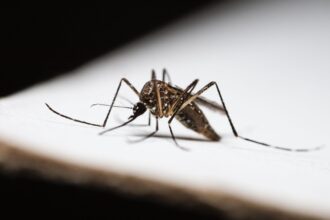
Microscopic image of chikungunya virus particles and infected joint tissue
New research suggests genetic factors may explain why some chikungunya virus patients develop chronic joint symptoms lasting months or years. Up to 40% of patients may experience persistent arthritis beyond the acute infection phase. — Photo: Edward Jenner / Pexels
SHARE
🎧 Listen to this article4:22 min · 457 words · GMJ Audio

Contents
  • Viral Persistence Drives Chronic Inflammation
  • Host Genetics May Determine Disease Course
  • Treatment Challenges and Emerging Strategies
    • Key takeaways
  • Frequently asked questions
    • Can chikungunya virus be prevented through vaccination?

Researchers have identified potential genetic factors that may determine why some patients with chikungunya virus develop chronic arthritis lasting months or years, while others recover within weeks. The mosquito-borne viral infection has resurged globally in recent years, leaving clinicians seeking answers for the wide variation in patient outcomes.

Viral Persistence Drives Chronic Inflammation

Chikungunya virus, transmitted by infected Aedes mosquitoes, typically causes high fever and intense joint swelling within 3-7 days of infection. While most patients recover within weeks, some develop persistent arthralgia that can last months or even years.

🎙️ Related Podcast Episodes
🎧 #39 | GMJ Podcast | Acne and Metabolic Dysfunction — Insulin Resistance, IGF-1, and Clinical Implications · 15m
🎧 #38 | GMJ Podcast | Acne and Metabolic Dysfunction — Insulin Resistance, IGF-1, and Clinical Implications · 21m
🎧 #14 | WHO: Four in Ten Cancer Cases Could Be Prevented Globally · 16m

The virus’s ability to persist in joint tissues appears central to chronic disease development, according to emerging research. Unlike the acute phase, which involves widespread viral replication, chronic chikungunya is characterized by low-level viral persistence combined with sustained immune activation. For more coverage of emerging infectious diseases, see our Global Health section.

Submit Your Paper
GMJ_Submit_Banner

Host Genetics May Determine Disease Course

Studies suggest that genetic variations in immune response genes may influence whether patients develop chronic symptoms. Human leukocyte antigen (HLA) polymorphisms have been associated with both increased susceptibility to chronic arthritis and protection against severe disease outcomes.

Research teams are also investigating variations in cytokine response pathways, particularly those involving interferon signaling. These molecular differences may explain why some patients mount an effective early immune response that clears the virus, while others experience prolonged inflammation. Understanding these patterns could inform treatment strategies outlined in our Clinical Updates coverage.

Treatment Challenges and Emerging Strategies

Currently, no specific antiviral treatments exist for chikungunya virus, leaving clinicians to manage symptoms with anti-inflammatory medications and supportive care. The Centers for Disease Control and Prevention recommends rest, fluid intake, and medications to reduce fever and pain during the acute phase.

For chronic cases, treatment becomes more complex and often requires long-term management strategies similar to those used for other inflammatory arthritides. Some researchers are exploring whether early intervention with disease-modifying antirheumatic drugs might prevent the transition to chronic disease, though clinical evidence remains limited.

Key takeaways

  • Genetic variations in immune response genes appear to influence disease progression from acute to chronic phases
  • No specific antiviral treatments currently exist, making prevention through mosquito control crucial
  • Early intervention strategies are under investigation to prevent chronic complications

Frequently asked questions

Can chikungunya virus be prevented through vaccination?

Currently, no licensed vaccine exists for chikungunya virus. Prevention relies primarily on controlling Aedes mosquito populations and avoiding mosquito bites in endemic areas.

As chikungunya virus continues its global expansion, understanding the mechanisms behind chronic infection becomes increasingly urgent for public health planning. Genetic research may eventually enable clinicians to identify high-risk patients early and tailor preventive interventions accordingly. The development of targeted therapies for both acute and chronic phases remains a priority for tropical disease research programs worldwide.

Source: Why some chikungunya virus infections may turn chronic

TAGGED:chikungunya viruschronic arthritisgenetic factorsmosquito-borne diseasestropical medicine
Share This Article
Facebook LinkedIn Bluesky Copy Link Print
Leave a Comment Leave a Comment

Leave a Reply Cancel reply

Your email address will not be published. Required fields are marked *

Submit Your Paper →

Georgia's peer-reviewed open-access medical journal. No APC until January 2027.
Submit Manuscript →
Geographic Disparities Persist in US Lung Transplant Access Despite Policy Changes

New research reveals that geographic location continues to influence access to donor…

Night shift workers may benefit from melatonin’s DNA repair properties, early study suggests

Preliminary research suggests melatonin supplements may help night shift workers restore DNA…

New Framework Aims to Improve Antimalarial Drug Testing Accuracy in Sub-Saharan Africa

New framework addresses critical accuracy challenges in antimalarial drug testing, particularly in…

Submit Your Paper to GMJ

No APC until January 2027.
Submit Manuscript →

You Might Also Like

Scientific diagram showing glycine's pathway from brain to temperature control for sleep improvement
New StudiesResearch Digest

Glycine Sleep Supplements Work Through Temperature Control, Not Sedation, Research Shows

By
GMJ News Desk
24/05/2026
Scientific illustration showing L-arginine molecular structure and brain blood vessel network
New StudiesResearch Digest

L-Arginine Shows Unexpected Brain Benefits Beyond Blood Vessel Function

By
GMJ News Desk
24/05/2026
Medical illustration showing red blood cell formation with iron, folate, and vitamin B12 pathways
New StudiesResearch Digest

Iron, Folate, and Vitamin B12: The Critical Triad for Healthy Red Blood Cell Formation

By
GMJ News Desk
22/05/2026
PET brain scan showing alpha-synuclein detection in Parkinson's disease patient
New StudiesResearch Digest

New PET Tracer Successfully Detects Alpha-Synuclein in Living Brains for Parkinson’s Diagnosis

By
GMJ News Desk
28/05/2026
Facebook Twitter Youtube Instagram
Company
  • Privacy Policy
  • Contact US
  • GMJ Journal
  • Submit Manuscript
  • Editorial Team
  • Register at GMJ
  • Terms of Use

Subscribe to GMJ News — Click here

Join Community
© 2026 Georgian Medical Journal (GMJ). Published by the Public Health Institute of Georgia (PHIG). All rights reserved.
Welcome Back!

Sign in to your account

Username or Email Address
Password

Lost your password?

Not a member? Sign Up