Updated 13/09/2026
A novel nasal spray targeting brain inflammation has demonstrated the ability to reverse markers of cognitive aging in laboratory studies, according to researchers at Texas A&M University. The treatment appears to restore brain energy metabolism and improve memory function for months after just two doses, offering new insights into potential interventions for age-related cognitive decline.
Brain aging intervention approaches by mechanism
Percentage of current research focus areas in neuroinflammation studies
Source: Texas A&M University research analysis, 2026 | Georgian Medical Journal News

Breakthrough targets neuroinflammation pathways
The research team, led by investigators at Texas A&M’s neuroscience department, focused on developing a delivery system that could effectively target brain inflammation without systemic side effects. The nasal spray formulation bypasses the blood-brain barrier, allowing therapeutic compounds to reach brain tissue directly through olfactory pathways.
According to the study published in preclinical research, the treatment specifically targets inflammatory cascades that contribute to cognitive decline in aging. The researchers observed measurable improvements in memory formation and retention, alongside restoration of cellular energy production in brain regions critical for learning and memory.
Sustained cognitive improvements observed
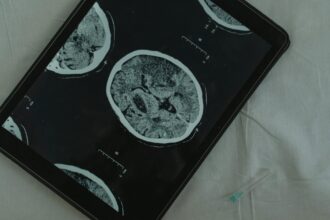
The study demonstrated that cognitive benefits persisted for months following the brief treatment regimen. Brain imaging analyses revealed reduced inflammatory markers and improved metabolic function in treated subjects compared to controls. The research findings suggest that targeting specific inflammatory pathways may offer a promising approach to addressing age-related cognitive changes.
Investigators noted that the treatment’s effects appeared cumulative, with the most significant improvements observed weeks after the initial doses. This delayed response pattern aligns with current understanding of how anti-inflammatory interventions may require time to restore normal cellular function in brain tissue.
For comprehensive coverage of emerging neuroscience research, similar breakthroughs continue to advance our understanding of brain aging mechanisms.
Clinical translation timeline remains uncertain
While the preclinical results appear promising, researchers emphasize that human trials will be necessary to establish safety and efficacy in clinical populations. The development timeline for potential therapeutic applications typically requires several years of additional research and regulatory review.
The study’s methodology involved controlled laboratory conditions that may not directly translate to real-world applications. Investigators are now working to optimize the formulation and dosing protocols for potential future clinical testing, according to the National Institutes of Health research guidelines.
Current research in clinical neurology applications continues to explore various approaches to addressing cognitive decline associated with aging.
Implications for dementia research
The findings contribute to growing evidence that neuroinflammation plays a central role in age-related cognitive decline and neurodegenerative diseases. This research approach aligns with broader efforts to develop interventions that address underlying inflammatory processes rather than simply managing symptoms.
The nasal delivery method offers potential advantages over systemic treatments, including reduced side effects and more targeted therapeutic action. However, researchers note that additional studies will be needed to understand the full scope of potential applications and limitations of this approach.
Memory and cognitive function improved for months after just two doses of the anti-inflammatory nasal spray, with sustained restoration of brain energy metabolism observed in preclinical studies.
— Texas A&M University research team (Preclinical Research, 2026)
Key takeaways
- Nasal spray delivery successfully targeted brain inflammation while avoiding systemic exposure
- Two doses produced cognitive improvements lasting months in laboratory studies
- Treatment restored brain energy metabolism and reduced inflammatory markers
- Clinical trials in humans will be necessary before therapeutic applications
Frequently asked questions
How does nasal delivery reach the brain?
Nasal sprays can bypass the blood-brain barrier through direct pathways connecting the nasal cavity to brain tissue via olfactory and trigeminal nerve routes. This allows therapeutic compounds to reach the brain more efficiently than oral or intravenous methods.
When might human trials begin?
The researchers have not announced specific timelines for human studies. Typically, promising preclinical research requires additional safety testing and regulatory approval before advancing to clinical trials, which can take several years.
Could this help with dementia prevention?
While the anti-inflammatory approach shows promise for addressing brain aging mechanisms, researchers emphasize that human efficacy and safety data will be necessary before drawing conclusions about potential applications for dementia or other neurodegenerative conditions.
The research represents a significant step forward in understanding how targeted anti-inflammatory interventions might address cognitive aging at the cellular level. As the field continues to advance, such approaches may eventually contribute to broader strategies for maintaining cognitive health throughout the lifespan, though clinical validation remains an essential next step.
Source: Scientists say they’ve reversed brain aging with a simple nasal spray
🗺️ Find certified Georgian healthcare providers: sheniekimi.ge — Georgia Health Map · 998 clinics · 6,600+ doctors · 2,296 pharmacies
Was this article helpful?
Disclaimer. This article is health journalism intended for general information and education. It is not medical advice and is not a substitute for professional diagnosis or treatment. Always consult a qualified healthcare provider about your individual circumstances. Full disclaimer →
Related Coverage



Editorial standards. This article was produced under the GMJ News editorial process, with oversight by the GMJ Editorial Board. Our editorial process. Spotted an error? Contact the editorial team.