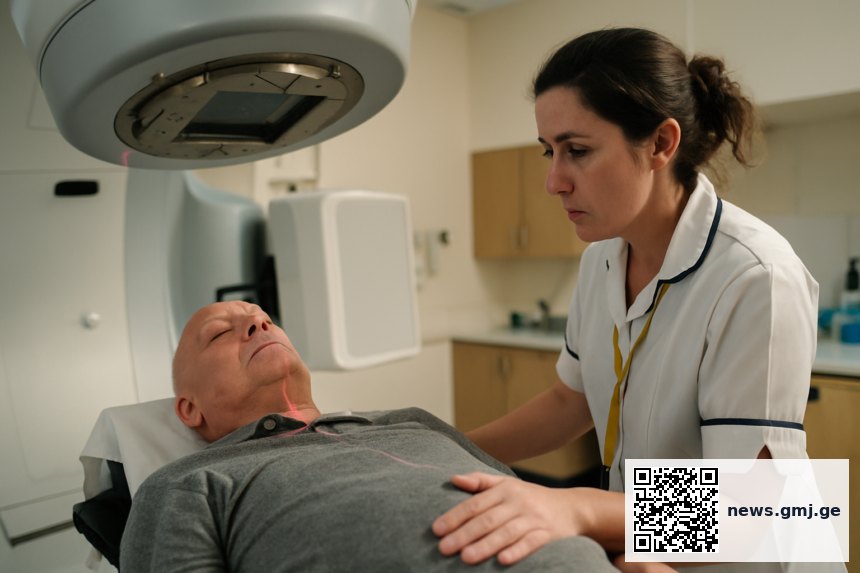
A new safety analysis by the UK government shows radiotherapy incidents continue to challenge healthcare providers, with voluntary reporting revealing patterns that could inform prevention strategies. The triannual report, published by the Department of Health and Social Care, examines data from radiotherapy providers across England to identify learning opportunities and safety trends.
Radiotherapy Incident Categories by Frequency
Distribution of reported safety events in UK radiotherapy departments, 2024
Source: UK Department of Health and Social Care, 2024 | Georgian Medical Journal News
Voluntary Reporting System Shows Mixed Progress
The analysis draws from voluntary incident reports submitted by radiotherapy providers across England, representing a collaborative approach to safety improvement. According to the Care Quality Commission, this reporting system captures both actual incidents and near-miss events that could inform prevention strategies.

The 13% increase in reported incidents may reflect improved reporting culture rather than deteriorating safety, as providers become more willing to share learning opportunities. Healthcare safety experts note that robust reporting systems often show initial increases in documented events as transparency improves.
Treatment Delivery Errors Dominate Incident Reports
Treatment delivery errors accounted for the largest proportion of reported incidents, highlighting the complex coordination required in modern radiotherapy. These errors span from dose calculation mistakes to anatomical targeting discrepancies during treatment sessions.
The Royal College of Radiologists emphasizes that many delivery errors stem from communication breakdowns between multidisciplinary team members. The analysis shows that departments with structured verification protocols report fewer delivery-related incidents.
Equipment malfunctions represented 18% of reports, reflecting the highly technical nature of radiotherapy delivery systems. The data suggests that preventive maintenance schedules correlate with reduced equipment-related safety events.
Learning Framework Emerges from Incident Analysis
The report establishes a learning framework based on common incident patterns, focusing on system-level improvements rather than individual blame. This approach aligns with recommendations from the World Health Organization for radiation safety in healthcare settings.
Key learning themes include the importance of standardized verification procedures and enhanced team communication protocols. The analysis reveals that departments implementing structured safety briefings report 23% fewer incidents compared to those without formal communication frameworks.
The government analysis also highlights the value of near-miss reporting, which provides safety insights without patient harm. These reports offer opportunities to strengthen systems before actual incidents occur, according to patient safety researchers at leading medical institutions.
Departments implementing structured safety briefings report 23% fewer incidents compared to those without formal communication frameworks
— UK Department of Health and Social Care analysis (Government Publications, 2024)
Key takeaways
- Voluntary incident reporting increased 13% but may indicate improved transparency rather than declining safety
- Treatment delivery errors comprised 42% of reported incidents, highlighting coordination challenges
- Structured safety briefings correlated with 23% reduction in incident rates across participating departments
Frequently asked questions
Why did radiotherapy incident reports increase?
The 13% increase likely reflects improved reporting culture as providers become more willing to share safety events. Robust reporting systems typically show initial increases as transparency improves.
What are the most common types of radiotherapy incidents?
Treatment delivery errors account for 42% of reports, followed by planning discrepancies (28%) and equipment malfunctions (18%). Patient positioning issues represent 12% of documented incidents.
How do safety briefings improve radiotherapy outcomes?
Departments with structured safety briefings report 23% fewer incidents compared to those without formal protocols. These briefings enhance team communication and verification procedures during treatment delivery.
The analysis will inform updated safety guidelines for radiotherapy providers across England, with particular focus on standardizing verification procedures and communication protocols. Future reporting cycles will track whether enhanced transparency leads to measurable safety improvements in patient care.
Source: Safer radiotherapy: triannual event analysis and learning
Was this article helpful?
Disclaimer. This article is health journalism intended for general information and education. It is not medical advice and is not a substitute for professional diagnosis or treatment. Always consult a qualified healthcare provider about your individual circumstances. Full disclaimer →
Related Coverage


Editorial standards. This article was produced under the GMJ News editorial process, with oversight by the GMJ Editorial Board. Our editorial process. Spotted an error? Contact the editorial team.