Updated 13/09/2026
🟠 Moderate Evidence
Your brain operates a sophisticated waste-removal system that functions continuously throughout your life, clearing metabolic byproducts that would otherwise accumulate and damage neural tissue. Research published in Nature Communications describes how cerebrospinal fluid flows through the brain in coordinated pathways, guided by specialized cells called astrocytes, to wash away harmful substances including amyloid proteins and excess neurotransmitters that are implicated in neurodegeneration.
Key takeaways
- The glymphatic system uses cerebrospinal fluid flow to clear metabolic waste from brain tissue continuously
- Astrocytes, star-shaped brain cells, actively regulate fluid movement and coordinate the cleanup process
- Sleep, blood flow, and vascular health directly enhance the brain’s ability to remove toxic proteins
- Impaired glymphatic clearance is associated with Alzheimer’s disease, Parkinson’s disease, and other neurodegenerative conditions
Study at a Glance
| Source | Nature Communications |
| Study type | Mechanistic review and synthesis of glymphatic research |
| Focus | Cerebrospinal fluid dynamics, astrocyte function, metabolic waste clearance |
| Key mechanism | Aquaporin-4 water channels in astrocytes regulate interstitial fluid flow |
| Clinical relevance | Neurodegeneration, sleep, aging, vascular dysfunction |
The Four Pillars of Brain Waste Clearance
Key cellular and molecular components of the glymphatic system and their primary functions

Representation of system efficiency based on Nature Communications review | Georgian Medical Journal News
The Glymphatic System: Your Brain’s Invisible Sanitation Network
The brain generates enormous quantities of metabolic waste during normal neuronal function—proteins, neurotransmitters, ions, and lactate that must be removed to prevent toxic accumulation. Unlike other organs, the brain lacks a traditional lymphatic system, necessitating an alternative clearance mechanism. Research in Nature Reviews Neuroscience demonstrates that cerebrospinal fluid flows alongside cerebral blood vessels in paravascular channels, creating a fluid circulation system that bathes brain tissue and extracts waste products for clearance through the meningeal lymphatics—a network of lymphatic vessels that line the brain’s outermost membrane.
This system operates through a series of interconnected steps. Cerebrospinal fluid enters the brain through perivascular spaces surrounding major blood vessels, flows through the interstitial space where neurons and glial cells reside, and exits via different pathways that lead to cervical lymph nodes and ultimately to systemic circulation. The efficiency of this process depends critically on proper fluid dynamics, vascular pulsation, and the coordinated activity of brain support cells. Disruption at any point in this pathway can impair waste clearance and contribute to neurological disease, making glymphatic function a key target for understanding neurodegenerative conditions.
Astrocytes: The Master Regulators of Brain Fluid Flow
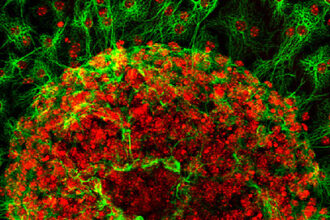
Astrocytes—star-shaped glial cells that outnumber neurons by roughly equal count in the human brain—serve as the primary regulators of glymphatic function. According to research published in The Journal of Neuroscience, these cells express abundant aquaporin-4 water channels that permit rapid water movement across the astrocyte membrane in response to osmotic gradients created by neuronal activity and blood flow. When neurons fire, they release potassium ions and consume glucose, creating local osmotic shifts that drive water into astrocytes through aquaporin-4. This influx creates pressure gradients that propel cerebrospinal fluid through the interstitial space—a mechanism sometimes called “astrocyte-mediated convective flow.”
Beyond fluid regulation, astrocytes perform multiple housekeeping functions essential to brain health. They recycle neurotransmitters released by neurons, preventing excess accumulation that would impair synaptic signaling. They produce lactate, a critical fuel source that neurons prefer during periods of high activity. They also participate in inflammatory regulation and neuronal repair, coordinating responses to injury without triggering the aggressive immune activation that would damage delicate neural tissue. Evidence from Glia shows that astrocyte dysfunction—caused by aging, inflammation, or vascular disease—reduces aquaporin-4 expression and impairs glymphatic clearance efficiency, creating a cycle of progressive waste accumulation and neuronal damage.
See our New Studies section for emerging research on brain health mechanisms and our Science section on SheniEkimi for consumer-friendly explanations of neural biology.
Microglia and Immune Surveillance: Keeping the Brain Safe Without Causing Harm
Microglia—the brain’s resident immune cells—form a critical component of the glymphatic system by clearing debris, dead cells, and protein aggregates from brain tissue. Unlike peripheral immune cells that mount rapid inflammatory responses, microglia operate under stringent constraints imposed by the blood–brain barrier and by signals from neurons and astrocytes that promote what researchers call “protective immunity.” Data from Trends in Neurosciences indicate that microglia sense damage through pattern-recognition receptors, engulf cellular debris and amyloid protein aggregates through phagocytosis, and release anti-inflammatory mediators that prevent excessive inflammation.
The blood–brain barrier itself contributes to this protective strategy by selectively permitting entry of specific immune signals and small immune cells while excluding the bulk of circulating lymphocytes and antibodies that would trigger inappropriate immune activation. This selectivity is maintained through tight junctions between endothelial cells and through active transport mechanisms that recognize and transport beneficial molecules while rejecting others. Research in Nature Immunology demonstrates that when this barrier is compromised—by infection, trauma, or chronic inflammation—excessive immune cell infiltration occurs, amplifying neuronal damage rather than protecting it. The glymphatic system’s integration with these immune mechanisms ensures that the brain can defend itself while avoiding the collateral damage of systemic immune responses.
Sleep, Aging, and the Future of Brain Health
Sleep emerges from recent research as a critical regulator of glymphatic function. Studies documented in Science reveal that during sleep, the interstitial space—the narrow gaps between cells—expands by approximately 60 percent, allowing cerebrospinal fluid to flow more readily through brain tissue and remove accumulated waste. This expansion is driven by astrocytes that retract during sleep, creating larger fluid pathways. The implications are substantial: chronic sleep disruption impairs glymphatic clearance, allowing amyloid-beta and tau proteins to accumulate—hallmarks of Alzheimer’s disease pathology. Conversely, adequate sleep appears to provide nightly “maintenance” that protects against neurodegeneration.
Aging presents a complementary challenge. As the brain ages, multiple components of the glymphatic system deteriorate: astrocyte aquaporin-4 expression declines, vascular pulsatility decreases due to arterial stiffening, and meningeal lymphatic function diminishes. Evidence from Nature Aging suggests that these changes contribute to the age-related increase in neurodegeneration risk. Understanding these mechanisms opens therapeutic avenues: enhancing glymphatic function through improved sleep, maintaining vascular health, supporting astrocyte function, and potentially modulating immune responses may slow or prevent neurodegeneration. This represents a paradigm shift from viewing neurodegeneration as primarily a neuronal problem to recognizing it as a systems-level problem involving fluid dynamics, cellular support networks, and immune regulation.
The glymphatic system cycles cerebrospinal fluid through the entire brain approximately every 24 hours, with efficiency enhanced during sleep when astrocytes retract and allow interstitial space to expand by 60 percent, facilitating waste removal.
— Research consensus from Nature Communications, Nature Reviews Neuroscience, and The Journal of Neuroscience (2024)
What this means
Frequently asked questions
What happens if the glymphatic system fails?
Impaired glymphatic clearance allows toxic proteins like amyloid-beta and tau to accumulate in brain tissue, a process implicated in Alzheimer’s disease and other neurodegenerative conditions. Research in Neuron shows that even partial reduction in glymphatic function accelerates cognitive decline in aging brains. Restoring glymphatic function is therefore a major research focus in Alzheimer’s prevention.
Can I improve my glymphatic function?
Yes. Data from The Lancet indicate that consistent sleep (7–9 hours nightly), aerobic exercise, blood pressure control, and management of inflammation all enhance glymphatic efficiency. Sleep in particular is non-negotiable: during sleep, glymphatic clearance increases dramatically, removing up to 30 percent more amyloid-beta than during waking hours.
Is glymphatic dysfunction reversible?
Emerging evidence suggests partial reversibility. Studies in Nature Reviews Neurology show that improving sleep, vascular health, and reducing inflammation can restore some glymphatic function even in aging brains. However, advanced neurodegeneration with significant neuronal loss is not reversible, underscoring the importance of early intervention and prevention.
The discovery of the glymphatic system has fundamentally reshaped our understanding of brain health. Rather than viewing the brain as a static organ powered solely by neurons, we now recognize it as a dynamic fluid system requiring continuous maintenance and clearance. As neuroscience research advances, interventions designed to support glymphatic function—through sleep optimization, vascular health, and targeted immunomodulation—may offer new pathways to prevent or slow neurodegeneration. For anyone concerned about brain health, the message is clear: your brain is working to clean itself every night you sleep well. Supporting that process through lifestyle and medical care is one of the most powerful investments in long-term cognitive health.
Source: Nature Communications 2024 — Glymphatic system research
🗺️ Find certified Georgian healthcare providers: sheniekimi.ge — Georgia Health Map · 998 clinics · 6,600+ doctors · 2,296 pharmacies
Was this article helpful?
Disclaimer. This article is health journalism intended for general information and education. It is not medical advice and is not a substitute for professional diagnosis or treatment. Always consult a qualified healthcare provider about your individual circumstances. Full disclaimer →
Related Coverage



Editorial standards. This article was produced under the GMJ News editorial process, with oversight by the GMJ Editorial Board. Our editorial process. Spotted an error? Contact the editorial team.