Sierra Leone’s government has launched an ambitious 300 Days of Activism campaign targeting the “Triple Zeros” — zero preventable maternal deaths, zero preventable newborn deaths, and zero preventable child deaths — as part of comprehensive health system reforms. The initiative represents a coordinated effort between the Sierra Leone government and international health partners to address persistent gaps in maternal and child health outcomes across the country.
Key takeaways
- Sierra Leone launches 300 Days of Activism toward Triple Zeros for maternal and child health
- WHO supports new Mpox preparedness initiatives amid ongoing health security concerns
- Health Development Partners commit to aligning support behind national health priorities
Sierra Leone Health System Strengthening Priorities
Key focus areas for 2026 health reforms
Source: WHO Sierra Leone, 2026 | Georgian Medical Journal News
Government-Led Health System Transformation
The Sierra Leone Ministry of Health is spearheading comprehensive health system reforms with support from the World Health Organization and other international partners. According to WHO’s first quarter 2026 newsletter for Sierra Leone, the reforms focus on strengthening health financing mechanisms and improving service delivery across all levels of the health system.

Health Development Partners have renewed their commitment to align financial and technical support behind national health priorities, moving away from fragmented aid approaches. This coordination effort aims to maximize the impact of international assistance while building sustainable health system capacity within the country.
Mpox Preparedness and Health Security
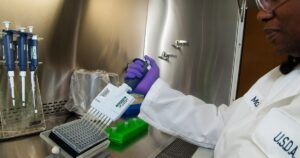
WHO Sierra Leone has launched new support initiatives for Mpox preparedness as part of broader health security strengthening efforts. The preparedness measures include enhanced surveillance systems, laboratory capacity building, and community engagement strategies to detect and respond to potential outbreaks.
The health security framework encompasses emergency preparedness across multiple disease threats, building on lessons learned from previous outbreak responses. These efforts complement ongoing global health security initiatives aimed at preventing, detecting, and responding to public health emergencies.
Disease Outbreak Response and Community Protection
WHO continues to provide technical and operational support for disease outbreak response across Sierra Leone’s 16 districts. The organization’s quarterly report highlights ongoing efforts to strengthen community-based surveillance and improve rapid response capabilities at the district level.
Community protection efforts focus on building local capacity for early detection and response to health threats. This includes training community health workers, establishing communication networks, and ensuring adequate supplies for initial outbreak response activities. For more information on clinical response protocols, health workers are being equipped with updated guidelines and treatment protocols.
The 300 Days of Activism toward Triple Zeros represents Sierra Leone’s most comprehensive maternal and child health initiative, targeting zero preventable deaths across all age groups
— WHO Sierra Leone Country Office (WHO Sierra Leone Newsletter, 2026)
What this means
Frequently asked questions
What are the Triple Zeros in Sierra Leone’s health initiative?
The Triple Zeros refer to zero preventable maternal deaths, zero preventable newborn deaths, and zero preventable child deaths. This initiative aims to eliminate deaths that can be prevented through improved healthcare access, quality services, and emergency response systems.
How does the Mpox preparedness relate to overall health security?
Mpox preparedness is part of Sierra Leone’s comprehensive health security strategy that includes surveillance, laboratory capacity, and rapid response systems. These capabilities can be applied to multiple health threats beyond Mpox.
What role do Health Development Partners play in these reforms?
Health Development Partners coordinate their financial and technical support to align with Sierra Leone’s national health priorities, avoiding fragmented approaches and maximizing the impact of international assistance on health system strengthening.
The success of Sierra Leone’s comprehensive health reforms will depend on sustained political commitment, adequate funding, and continued coordination between government and international partners. Early indicators suggest strong momentum for achieving measurable improvements in maternal and child health outcomes, while building resilient systems capable of responding to future health emergencies. The Georgian Medical Journal will continue monitoring progress on these critical public health initiatives across West Africa.
Source: WHO Sierra Leone 1st Quarter 2026 Newsletter
Was this article helpful?
Related Coverage