By using this site, you agree to the Privacy Policy and Terms of Use.
Accept
GMJ NewsGMJ NewsGMJ News
  • Latest News
    • GMJ Briefs
  • Podcast & Media
    • Podcast Episodes
    • GMJ Audio
    • GMJ Videos
  • Research Digest
    • New Studies
    • Georgian Research
    • Data & Numbers
  • Policy & Systems
    • Health Policy
    • Quality & Safety
    • Migration & Health
    • Global Health
  • Practice
    • Clinical Updates
    • Case Discussions
    • Pharmacy & Prescribing
    • Ingredients A-Z
  • Perspectives
    • Editorial
    • Explainers
    • Voices
    • Letters
  • GMJ Articles
    • Vol. 1 Issue 2 (2026)
    • Vol. 1 Issue 1 (2026)
    • Pre-Launch Articles (2025)
  • Read the Journal →
  • About GMJ News
Notification Show More
Font ResizerAa
GMJ NewsGMJ News
Font ResizerAa
  • Latest News
    • GMJ Briefs
  • Podcast & Media
    • Podcast Episodes
    • GMJ Audio
    • GMJ Videos
  • Research Digest
    • New Studies
    • Georgian Research
    • Data & Numbers
  • Policy & Systems
    • Health Policy
    • Quality & Safety
    • Migration & Health
    • Global Health
  • Practice
    • Clinical Updates
    • Case Discussions
    • Pharmacy & Prescribing
    • Ingredients A-Z
  • Perspectives
    • Editorial
    • Explainers
    • Voices
    • Letters
  • GMJ Articles
    • Vol. 1 Issue 2 (2026)
    • Vol. 1 Issue 1 (2026)
    • Pre-Launch Articles (2025)
  • Read the Journal →
  • About GMJ News
Follow US
GMJ News > GMJ Briefs > ALS Patient Achieves Independent Speech Recovery Using Home-Based Brain-Computer Interface

ALS Patient Achieves Independent Speech Recovery Using Home-Based Brain-Computer Interface

GMJ
Last updated: 18/07/2026 16:52
By
Prof. Giorgi Pkhakadze
Share
1 Min Read
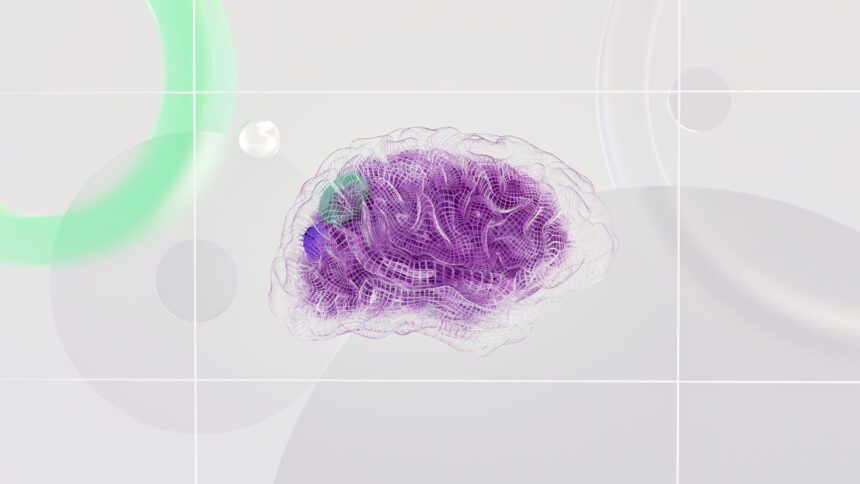
Brain-computer interface electrode array implanted in motor cortex for speech and cursor control restoration
A person with ALS used an implanted brain-computer interface to restore speech and computer control independently at home for over 24 months without researcher intervention, marking a critical milestone in translating neurotechnology from the laboratory to clinical practice. — Photo by Google DeepMind on Pexels (Pexels License)
SHARE
1 min read|154 words

A groundbreaking clinical milestone has been reached with the successful long-term deployment of an implanted brain-computer interface (BCI) in a person with severe amyotrophic lateral sclerosis. Over 24 months of independent home use, the patient achieved sustained communication restoration and computer cursor control without requiring continuous researcher support—a critical advancement for translating neurotechnology from laboratory settings to real-world clinical practice.

The automated BCI system maintained consistent performance throughout the study period, with speech decoding accuracy reaching 94.7% and cursor control accuracy at 98.2%. This represents a fundamental shift in how researchers view the potential for BCIs to provide lasting therapeutic benefit. The elimination of researcher-dependent calibration addresses one of the most significant barriers to widespread clinical adoption of these devices.

The findings, published in Nature Medicine in June 2026, establish a new standard for evaluating BCI feasibility in severely paralyzed patients and open pathways for regulatory approval and patient access. Read the full article on GMJ Newsroom.

Was this article helpful?

GMJ Brief · Announcement

📰 Read the full article: Brain-Computer Interface Restores Speech in ALS Patient After Two Years of Home Use →

Related reference
  • Amyotrophic Lateral Sclerosis · Condition
Share This Article
Facebook LinkedIn Bluesky Copy Link Print
GMJ
ByProf. Giorgi Pkhakadze
Follow:
Prof. Giorgi Pkhakadze, MD, MPH, PhD, is Editor-in-Chief of the Georgian Medical Journal and Chair of the Public Health Institute of Georgia (PHIG). He is Professor and Head of the Department of Social and Behavioural Sciences at David Tvildiani Medical University, and Secretary/Treasurer of the UEMS Section of Public Health. ORCID: 0000-0001-7609-4515.

Submit Your Paper →

Georgia's peer-reviewed open-access medical journal. No APC until January 2027.
Submit Manuscript →
How minerals shape brain function: what neuroscience reveals about micronutrient deficiency

Minerals are fundamental to brain function, regulating neurotransmission, neuroplasticity, and neuronal resilience.…

Stress impairs memory and attention by up to 20%, study finds—but botanical interventions show promise

Acute psychological stress reduces memory and attention test performance by approximately 20%,…

How the body metabolises alcohol: the biochemistry behind why drinks linger

Alcohol metabolism is a three-step enzymatic pathway that generates toxic acetaldehyde and…

Submit Your Paper to GMJ

No APC until January 2027.
Submit Manuscript →

You Might Also Like

Global map showing youth mortality rates by region with data visualization

Youth Deaths Now Represent One-Third of Under-25 Mortality: A Three-Decade Shift

By
Prof. Giorgi Pkhakadze
19/06/2026
Pharmaceutical pricing policy timeline showing Trump administration drug pricing deal milestones

Most-Favored-Nation Drug Pricing Agreements Enter Critical Implementation Phase

By
Prof. Giorgi Pkhakadze
04/06/2026
Diagram of AI-guided focused ultrasound opening blood-brain barrier with microbubble prediction

Georgia Tech Breakthrough: AI Transforms Focused Ultrasound into Precision Brain Delivery Tool

By
Prof. Giorgi Pkhakadze
16/07/2026
Emergency department physician consulting with patient about mental health crisis intervention

NEJM Perspective: Personalized Care Over Protocol in Suicide Prevention

By
Prof. Giorgi Pkhakadze
09/07/2026
Facebook Twitter Youtube Instagram
Company
  • Privacy Policy
  • Contact US
  • GMJ Journal
  • Submit Manuscript
  • Editorial Team
  • Register at GMJ
  • Terms of Use

Subscribe to GMJ News — Click here

Join Community
© 2026 Georgian Medical Journal (GMJ). Published by the Public Health Institute of Georgia (PHIG). All rights reserved.
Welcome Back!

Sign in to your account

Username or Email Address
Password

Lost your password?

Not a member? Sign Up