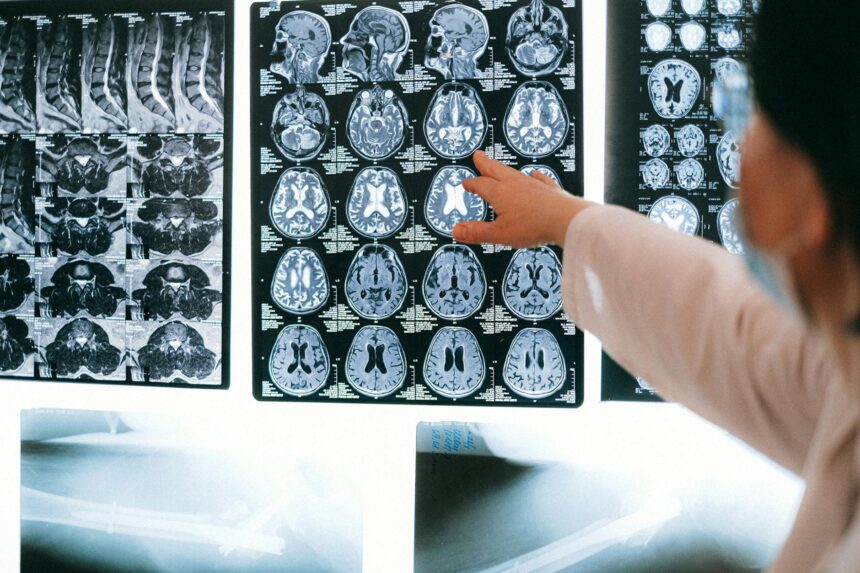
Recent neuroscience research demonstrates that amino acids function as far more than structural components—they are the fundamental architects of brain chemistry. Each of the 20 essential and non-essential amino acids plays a specific role in orchestrating cognitive processes, from mood regulation to memory formation. Tryptophan serves as the exclusive precursor for serotonin synthesis, directly influencing emotional well-being and sleep quality. Tyrosine converts to dopamine through enzymatic pathways, controlling motivation, reward processing, and executive function. Beyond neurotransmitter production, branched-chain amino acids provide alternative energy sources for the brain during periods of glucose depletion, ensuring sustained cognitive performance. This emerging research fundamentally reframes how we understand the relationship between protein metabolism and mental health, suggesting that optimal cognitive function depends critically on balanced amino acid availability.
Was this article helpful?