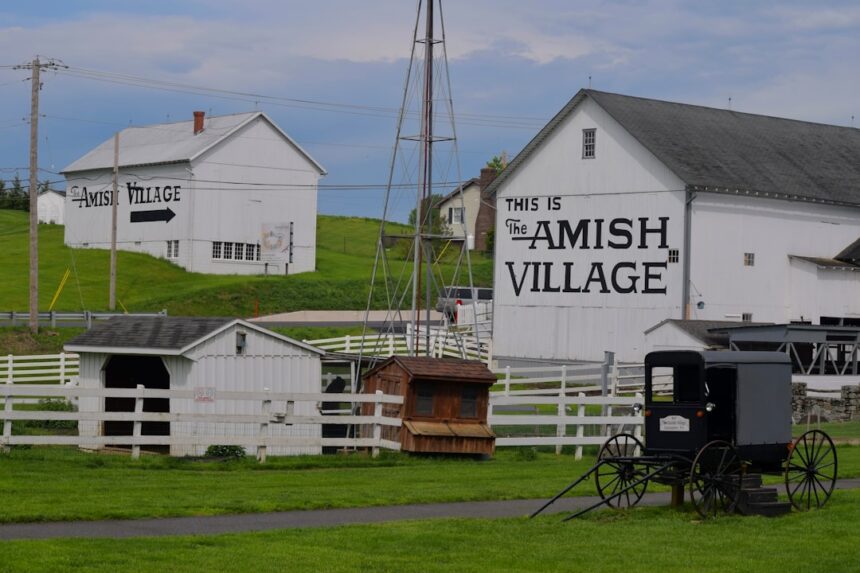
The Amish population in the United States is projected to expand dramatically from approximately 400,000 today to nearly 2 million by 2075, presenting unprecedented challenges for public health officials and policymakers. This fivefold increase concentrates in regions including Ohio, Pennsylvania, and Indiana, where healthcare infrastructure and disease surveillance systems must adapt accordingly.
A critical concern centers on vaccination coverage, which falls substantially below the World Health Organization’s 95% herd immunity threshold for measles. Recent outbreaks in Amish-dense regions underscore the vulnerability of both community members and surrounding populations to vaccine-preventable diseases. Simultaneously, Amish reliance on community-based mutual aid rather than conventional insurance systems requires innovative policy frameworks that respect cultural practices while protecting public health. Healthcare economists and infectious disease specialists emphasize that new approaches bridging conventional medicine and community health models are essential for managing this demographic transition effectively.
Was this article helpful?