Updated 13/09/2026
🟠 Moderate Evidence
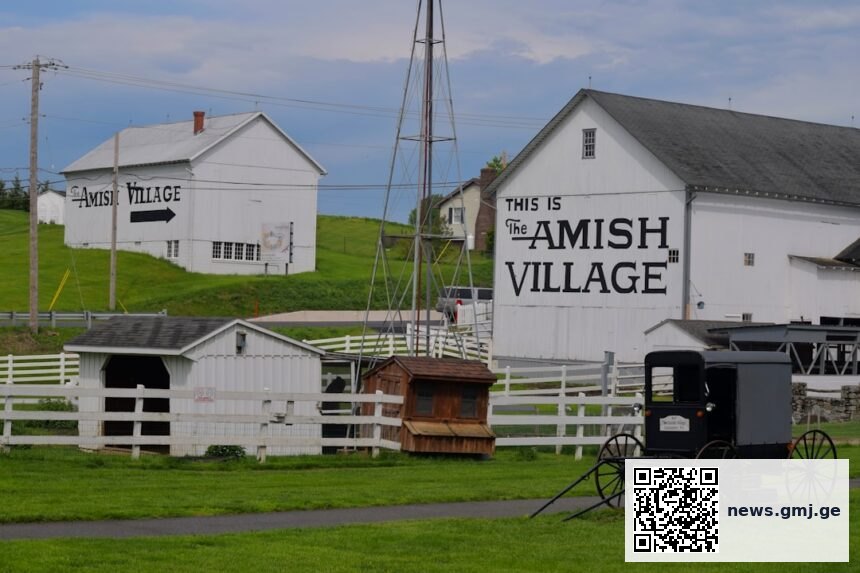
The Amish population in the United States could reach nearly 2 million people by 2075, according to demographic projections cited in a recent STAT News analysis. This rapid growth trajectory has significant implications for public health policy, healthcare delivery, and infectious disease control in affected regions.
Key takeaways
- Amish population could reach 2 million by 2075, up from current estimates of approximately 400,000
- Low vaccination rates in Amish communities pose measles and other infectious disease risks
- Healthcare cost management and alternative medicine practices create unique policy challenges
Amish Population Growth Trajectory
Current population and future projections through 2075

Source: STAT News demographic analysis, 2026 | Georgian Medical Journal News
Vaccination Patterns Drive Disease Risk Concerns
Amish communities maintain significantly lower vaccination rates compared to the general U.S. population, according to Centers for Disease Control and Prevention surveillance data. This pattern has contributed to periodic measles outbreaks in Amish-dense regions, including documented cases in Ohio and Pennsylvania over the past decade.
The World Health Organization requires 95% vaccination coverage to maintain herd immunity for measles. Current vaccination rates in many Amish communities fall well below this threshold, creating vulnerability to vaccine-preventable diseases.
Healthcare Cost Management and Alternative Practices
Amish communities typically operate outside conventional health insurance systems, instead relying on community-based mutual aid and cash payments for medical services. This approach has drawn attention from healthcare economists studying alternative health policy models.
Many Amish families utilize traditional medicine and home remedies alongside conventional healthcare, creating unique challenges for clinical care coordination. Healthcare providers in regions with significant Amish populations must navigate cultural preferences while ensuring appropriate medical standards.
Regional Public Health Planning Implications
States with growing Amish populations, including Pennsylvania, Ohio, and Indiana, face increasing pressure to develop culturally sensitive public health strategies. The CDC has worked with local health departments to improve disease surveillance and outbreak response in these communities.
Public health officials emphasize the importance of building trust and maintaining respectful dialogue with Amish leadership on health issues. Successful interventions have typically involved community elders and respected figures rather than top-down mandates. Related global health research suggests similar approaches work across various traditional communities worldwide.
The projected five-fold increase in Amish population by 2075 will require significant adaptation in regional public health infrastructure and culturally appropriate healthcare delivery models.
— Public Health Planning Analysis (STAT News, 2026)
What this means
Frequently asked questions
Why do vaccination rates remain low in Amish communities?
Amish communities often have religious and cultural reservations about medical interventions, preferring natural immunity and traditional healing methods. However, attitudes vary significantly between different Amish groups and regions.
How do Amish communities pay for healthcare without insurance?
Amish families typically use community mutual aid funds, cash payments, and negotiated rates with healthcare providers. Many also utilize alternative medicine and home remedies for minor health issues.
What public health risks does rapid Amish population growth create?
The primary concerns include increased vulnerability to vaccine-preventable diseases like measles and potential strain on regional healthcare infrastructure not designed for cash-paying, culturally distinct populations.
The demographic trends suggest that successful public health policy will increasingly require nuanced approaches that respect cultural autonomy while protecting broader community health. This balance will become more critical as traditional communities like the Amish represent larger portions of regional populations in coming decades.
Source: Opinion: How the Amish think about vaccines, health care costs, and much more
🗺️ Find certified Georgian healthcare providers: sheniekimi.ge — Georgia Health Map · 998 clinics · 6,600+ doctors · 2,296 pharmacies
Was this article helpful?
Disclaimer. This article is health journalism intended for general information and education. It is not medical advice and is not a substitute for professional diagnosis or treatment. Always consult a qualified healthcare provider about your individual circumstances. Full disclaimer →
Related Coverage



Editorial standards. This article was produced under the GMJ News editorial process, with oversight by the GMJ Editorial Board. Our editorial process. Spotted an error? Contact the editorial team.