By using this site, you agree to the Privacy Policy and Terms of Use.
Accept
GMJ NewsGMJ NewsGMJ News
  • Latest News
    • GMJ Briefs
  • Podcast & Media
    • Podcast Episodes
    • GMJ Audio
    • GMJ Videos
  • Research Digest
    • New Studies
    • Georgian Research
    • Data & Numbers
  • Policy & Systems
    • Health Policy
    • Quality & Safety
    • Migration & Health
    • Global Health
  • Practice
    • Clinical Updates
    • Case Discussions
    • Pharmacy & Prescribing
    • Ingredients A-Z
  • Perspectives
    • Editorial
    • Explainers
    • Voices
    • Letters
  • GMJ Articles
    • Vol. 1 Issue 2 (2026)
    • Vol. 1 Issue 1 (2026)
    • Pre-Launch Articles (2025)
  • Read the Journal →
  • About GMJ News
Notification Show More
Font ResizerAa
GMJ NewsGMJ News
Font ResizerAa
  • Latest News
    • GMJ Briefs
  • Podcast & Media
    • Podcast Episodes
    • GMJ Audio
    • GMJ Videos
  • Research Digest
    • New Studies
    • Georgian Research
    • Data & Numbers
  • Policy & Systems
    • Health Policy
    • Quality & Safety
    • Migration & Health
    • Global Health
  • Practice
    • Clinical Updates
    • Case Discussions
    • Pharmacy & Prescribing
    • Ingredients A-Z
  • Perspectives
    • Editorial
    • Explainers
    • Voices
    • Letters
  • GMJ Articles
    • Vol. 1 Issue 2 (2026)
    • Vol. 1 Issue 1 (2026)
    • Pre-Launch Articles (2025)
  • Read the Journal →
  • About GMJ News
Follow US
GMJ News > GMJ Briefs > Around the Clock: How Your Brain’s Built-In Cleaning System Works

Around the Clock: How Your Brain’s Built-In Cleaning System Works

GMJ
Last updated: 24/07/2026 15:30
By
Prof. Giorgi Pkhakadze
Share
1 Min Read
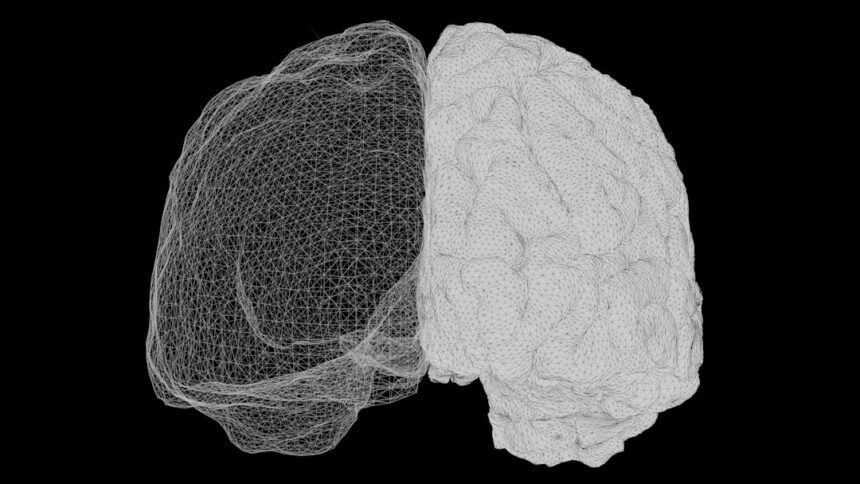
Diagram of glymphatic system showing cerebrospinal fluid flow through brain tissue guided by astrocytes
Your brain operates a sophisticated waste-removal system called the glymphatic system that functions continuously throughout life, clearing toxic metabolic byproducts through cerebrospinal fluid flow guided by specialized cells. Sleep, cardiovascular health, and astrocyte function directly determine how efficiently your brain removes proteins linked to neurodegeneration. — Photo by Shawn Day on Unsplash (Unsplash License)
SHARE
1 min read|121 words

Your brain operates a remarkable 24/7 waste-removal system that quietly protects your neurons from toxic protein accumulation. This network, called the glymphatic system, uses cerebrospinal fluid to flush away harmful substances including amyloid-beta and tau proteins—the hallmarks of Alzheimer’s disease. Specialized star-shaped cells called astrocytes coordinate this cleaning process by regulating fluid movement through precise pathways.

Research published in Nature Communications reveals that this system operates most efficiently during sleep, when glymphatic activity increases significantly. The process involves aquaporin-4 water channels, microglia-mediated debris clearance, and meningeal lymphatic drainage working in concert. Understanding how the glymphatic system functions offers new insights into neurodegenerative disease prevention and the critical importance of sleep for long-term brain health.

Read the full article on GMJ Newsroom.

Was this article helpful?

GMJ Brief · Announcement

📰 Read the full article: How Your Brain Cleans Itself: The Glymphatic System Explained →

Share This Article
Facebook LinkedIn Bluesky Copy Link Print
GMJ
ByProf. Giorgi Pkhakadze
Follow:
Prof. Giorgi Pkhakadze, MD, MPH, PhD, is Editor-in-Chief of the Georgian Medical Journal and Chair of the Public Health Institute of Georgia (PHIG). He is Professor and Head of the Department of Social and Behavioural Sciences at David Tvildiani Medical University, and Secretary/Treasurer of the UEMS Section of Public Health. ORCID: 0000-0001-7609-4515.

Submit Your Paper →

Georgia's peer-reviewed open-access medical journal. No APC until January 2027.
Submit Manuscript →
Skin Biopsy PCR Test Accelerates Diagnosis of Tattoo-Associated Toxic Shock Syndrome

A new PCR-based diagnostic test on skin biopsies enables rapid confirmation of…

Young widowhood linked to elevated HIV risk behaviours in Kenya’s Siaya County

Young widowhood emerges as a significant predictor of HIV risk behaviours in…

Blood Type O Shows Lower Risk in Severe Malaria: Updated Meta-Analysis

An updated meta-analysis published in Tropical Medicine & International Health confirms that…

Submit Your Paper to GMJ

No APC until January 2027.
Submit Manuscript →

You Might Also Like

Horizontal bar chart showing effectiveness of district-level tobacco control measures in Indonesia, 2013-2023

Decentralized Action Defeats Tobacco: How Indonesian Districts Are Winning Without National Support

By
Prof. Giorgi Pkhakadze
16/07/2026
Medical illustration showing iron transport pathways and copper enzyme checkpoints in human metabolism

Announcement: Iron Transport Requires Copper at Three Critical Checkpoints, Study Shows

By
Prof. Giorgi Pkhakadze
03/06/2026
Medical practice closure statistics showing rural hospital and clinic impacts on healthcare access

One in Four Rural Hospitals Shuttered: New Data Confirms Healthcare Access Emergency

By
Prof. Giorgi Pkhakadze
02/07/2026
CAR-T cell attacking autoimmune B cells under microscope

CAR-T Cell Therapy Emerges as Game-Changer for Autoimmune Disease Treatment

By
Prof. Giorgi Pkhakadze
03/06/2026
Facebook Twitter Youtube Instagram
Company
  • Privacy Policy
  • Contact US
  • GMJ Journal
  • Submit Manuscript
  • Editorial Team
  • Register at GMJ
  • Terms of Use

Subscribe to GMJ News — Click here

Join Community
© 2026 Georgian Medical Journal (GMJ). Published by the Public Health Institute of Georgia (PHIG). All rights reserved.
Welcome Back!

Sign in to your account

Username or Email Address
Password

Lost your password?

Not a member? Sign Up