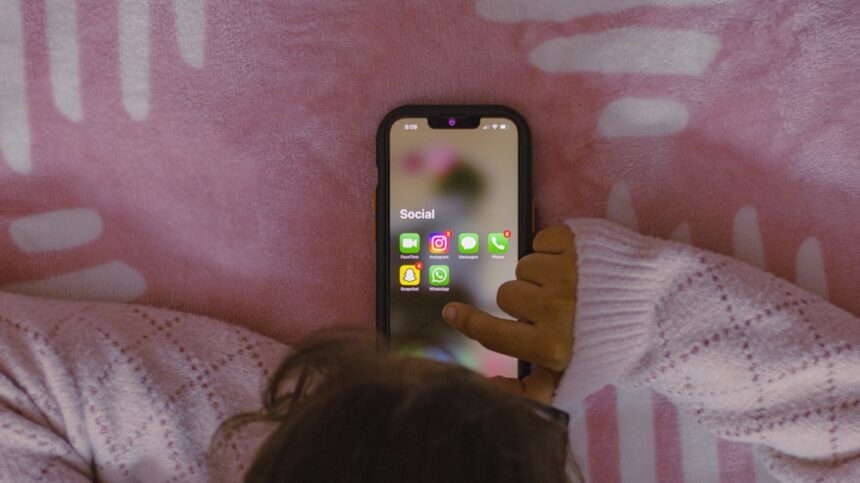
Public health campaigns have long focused on limiting children’s screen exposure, but emerging research reveals a critical oversight: parental device distraction may be equally consequential for adolescent development. New findings from digital mental health research demonstrate that teenagers whose caregivers are frequently distracted by mobile devices exhibit increased rates of insecure attachment styles—a pattern with significant implications for long-term psychological and physical health.
This research shifts clinical attention from a unidirectional focus on child behavior to a more nuanced understanding of family dynamics. Secure attachment during adolescence serves as a protective factor against anxiety, depression, and behavioral difficulties in adulthood. The findings suggest that caregiver presence and engagement—not merely the absence of child screen time—are fundamental to healthy adolescent development.
Read the full article on GMJ Newsroom.
Was this article helpful?