By using this site, you agree to the Privacy Policy and Terms of Use.
Accept
GMJ NewsGMJ NewsGMJ News
  • Latest News
    • GMJ Briefs
  • Podcast & Media
    • Podcast Episodes
    • GMJ Audio
    • GMJ Videos
  • Research Digest
    • New Studies
    • Georgian Research
    • Data & Numbers
  • Policy & Systems
    • Health Policy
    • Quality & Safety
    • Migration & Health
    • Global Health
  • Practice
    • Clinical Updates
    • Case Discussions
    • Pharmacy & Prescribing
    • Ingredients A-Z
  • Perspectives
    • Editorial
    • Explainers
    • Voices
    • Letters
  • GMJ Articles
    • Vol. 1 Issue 2 (2026)
    • Vol. 1 Issue 1 (2026)
    • Pre-Launch Articles (2025)
  • Read the Journal →
  • About GMJ News
Notification Show More
Font ResizerAa
GMJ NewsGMJ News
Font ResizerAa
  • Latest News
    • GMJ Briefs
  • Podcast & Media
    • Podcast Episodes
    • GMJ Audio
    • GMJ Videos
  • Research Digest
    • New Studies
    • Georgian Research
    • Data & Numbers
  • Policy & Systems
    • Health Policy
    • Quality & Safety
    • Migration & Health
    • Global Health
  • Practice
    • Clinical Updates
    • Case Discussions
    • Pharmacy & Prescribing
    • Ingredients A-Z
  • Perspectives
    • Editorial
    • Explainers
    • Voices
    • Letters
  • GMJ Articles
    • Vol. 1 Issue 2 (2026)
    • Vol. 1 Issue 1 (2026)
    • Pre-Launch Articles (2025)
  • Read the Journal →
  • About GMJ News
Follow US
GMJ News > GMJ Briefs > Brain Energy Demands Peak in Childhood: What the Data Reveals

Brain Energy Demands Peak in Childhood: What the Data Reveals

GMJ
Last updated: 10/06/2026 12:11
By
Prof. Giorgi Pkhakadze
Share
1 Min Read
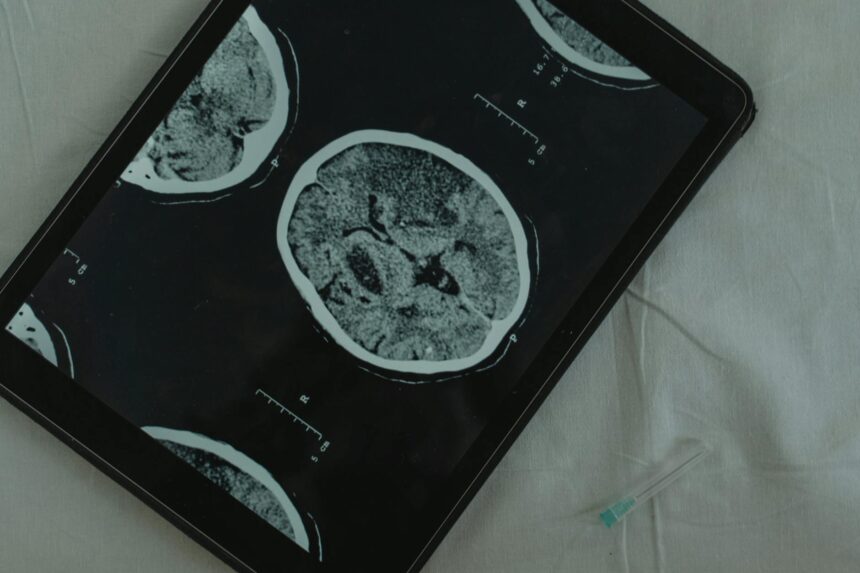
Brain energy consumption chart showing metabolic demands across different age groups
New research reveals the brain consumes 20% of total body energy in adults, rising to 50% during childhood development. This extraordinary metabolic demand requires optimal micronutrient availability for cognitive function. — Photo: Tima Miroshnichenko / Pexels
SHARE
1 min read|126 words

A striking metabolic pattern emerges when examining brain energy consumption across the lifespan. While adults rely on their brains to consume 20% of total body energy, children around age 10 experience a dramatic peak at 50%—reflecting the intense neurological development occurring during this critical period. This represents one of the most significant physiological demands any organ makes on the body.

This massive energy requirement explains why micronutrient deficiencies impact cognitive function so rapidly in developing brains. The brain’s metabolic intensity means that inadequate B vitamins, iron, or other cofactors immediately compromise neural efficiency, neurotransmitter production, and mental clarity.

Understanding these energy dynamics provides crucial context for nutritional interventions and public health strategies aimed at protecting cognitive development and function throughout life.

Read the full article on GMJ Newsroom.

Submit Your Paper
GMJ_Submit_Banner

Was this article helpful?

GMJ Brief · Key Finding

📰 Read the full article: Brain Consumes 20% of Body’s Energy, Requires Key Micronutrients for Optimal Function →

Related reference
  • Iron · Ingredient
Share This Article
Facebook LinkedIn Bluesky Copy Link Print
GMJ
ByProf. Giorgi Pkhakadze
Follow:
Prof. Giorgi Pkhakadze, MD, MPH, PhD, is Editor-in-Chief of the Georgian Medical Journal and Chair of the Public Health Institute of Georgia (PHIG). He is Professor and Head of the Department of Social and Behavioural Sciences at David Tvildiani Medical University, and Secretary/Treasurer of the UEMS Section of Public Health. ORCID: 0000-0001-7609-4515.

Submit Your Paper →

Georgia's peer-reviewed open-access medical journal. No APC until January 2027.
Submit Manuscript →
Eli Lilly’s Gene Editor Cuts Cholesterol 62% in First Human Trial

Eli Lilly's experimental gene-editing therapy VERV-102 achieved a 62% reduction in cholesterol…

Beta Blockers After Heart Attack Show No Benefit in Major International Study

A major international study of over 5,000 patients found beta blockers provide…

Enhanced Games ‘Steroid Olympics’ Launch Amid Medical and Ethical Concerns

The Enhanced Games launched in Las Vegas as the first major sporting…

Submit Your Paper to GMJ

No APC until January 2027.
Submit Manuscript →

You Might Also Like

Healthcare worker conducting screening interview at Moldova probation centre

Probation Centers as Addiction Treatment Hubs: Moldova’s Innovative Model Shows Promise

By
Prof. Giorgi Pkhakadze
05/06/2026
Scientific illustration showing air pollution particles affecting brain and lung health

The Four-Hour Window: How Quickly Air Pollution Affects Your Body

By
Prof. Giorgi Pkhakadze
10/06/2026

EBOLA OUTBREAK – DRC/UGANDA CROSS-BORDER TRANSMISSION – PHEIC DECLARED

By
Prof. Giorgi Pkhakadze
31/05/2026
Diagram showing zinc and copper mineral absorption competition in intestinal cells

Study Documents 8-10 Week Timeline for Zinc-Induced Copper Deficiency

By
Prof. Giorgi Pkhakadze
10/06/2026
Facebook Twitter Youtube Instagram
Company
  • Privacy Policy
  • Contact US
  • GMJ Journal
  • Submit Manuscript
  • Editorial Team
  • Register at GMJ
  • Terms of Use

Subscribe to GMJ News — Click here

Join Community
© 2026 Georgian Medical Journal (GMJ). Published by the Public Health Institute of Georgia (PHIG). All rights reserved.
Welcome Back!

Sign in to your account

Username or Email Address
Password

Lost your password?

Not a member? Sign Up